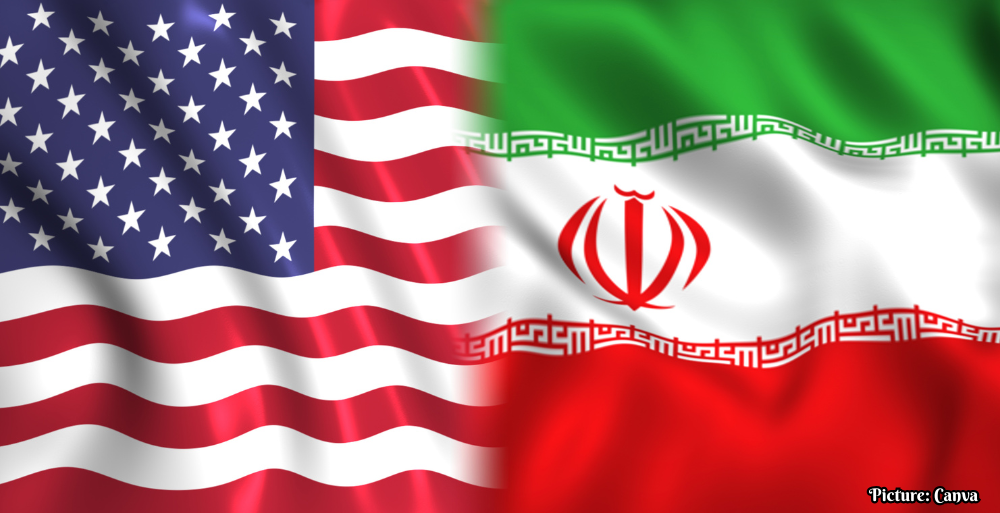
The recent memorandum of understanding between the U.S. and Iran, which marks a cessation of hostilities that have defined U.S.-Iran relations, is viewed by many as a significant shift in the geopolitical landscape of the Middle East.
The United States and Iran have reached a tentative agreement that aims to halt the ongoing conflict initiated under former President Donald Trump’s administration. This memorandum of understanding, which is expected to extend the ceasefire and lift the U.S. Navy’s blockade of Iranian ports, represents a crucial moment in U.S. foreign policy, particularly in the context of its relationships within the Middle East.
As tensions have escalated since the conflict began on February 28, the repercussions of military actions have reverberated throughout the region. The war, characterized by surprise strikes from both American and Israeli forces, has led to significant loss of civilian life and infrastructure in Iran, with reports indicating that more than 150 civilians, including young children, were killed in the initial attacks. This has raised serious humanitarian concerns and questions about the long-term impact of U.S. military strategies in the region.
Impact on Regional Alliances
One of the critical challenges resulting from this conflict has been the deterioration of U.S. alliances with oil-rich Gulf monarchies. These nations, traditionally seen as stabilizing forces in the turbulent Middle East, are now contemplating diversifying their allegiances in light of the changing dynamics. Officials from these countries have privately acknowledged the necessity of finding ways to coexist with Iran, a significant shift in long-standing U.S. policy that sought to isolate Tehran.
Furthermore, the conflict has not only strained U.S. relations with these nations but has also raised concerns over the global economy. The Strait of Hormuz, a vital waterway through which approximately 20% of the world’s oil and natural gas transits, has been a focal point of military actions. The reopening of this strait, as suggested by the memorandum, could alleviate some of the economic pressures felt by countries reliant on these resources, particularly those in sub-Saharan Africa, where food insecurity is a growing concern.
Negotiation Context and Future Prospects
While the agreement does not constitute a formal peace deal, it represents a significant step toward potentially stabilizing the region. The full text of the agreement has yet to be published, but it reportedly contains 14 points that outline the framework for future negotiations. These discussions are expected to address contentious issues, including Iran’s nuclear program and the extent of sanctions relief in exchange for compliance with international demands.
The agreement also reflects a critical miscalculation by the U.S. and Israel regarding Iran’s resilience. The initial military strategy, which aimed to dismantle Iran’s leadership by targeting its Supreme Leader, Ayatollah Ali Khamenei, resulted in unexpected consequences. Instead of destabilizing the Iranian regime, the conflict appears to have fortified it, leading to a new leadership under Khamenei’s son and military commanders who are perceived as more aggressive and ideologically driven.
Political Ramifications in Israel and the U.S.
The political landscape in Israel is also undergoing scrutiny as Prime Minister Benjamin Netanyahu faces backlash from political opponents and hardliners within his government. Many are questioning his approach to Iran, especially following the perceived failure to achieve the regime change that he and Trump had anticipated. With general elections looming in Israel, Netanyahu’s strategies and the outcomes of these negotiations may play a pivotal role in shaping his political future.
In the United States, the implications of this agreement extend beyond diplomatic relations; it also raises questions about the efficacy of military interventions as a means of achieving foreign policy goals. The Trump administration’s decision to engage in military action has come under criticism, with many arguing that it demonstrates a waning U.S. dominance in a rapidly shifting global order.
Conclusion: A Cautious Outlook
While the recent agreement between the U.S. and Iran may offer a temporary reprieve from conflict, analysts caution against over-optimism regarding its potential to foster lasting peace. The deep-rooted ideological differences and mistrust between the involved parties suggest that significant challenges remain. The Iranian populace, still under the rule of a regime that has demonstrated little tolerance for dissent, will continue to grapple with the consequences of both domestic and foreign policies that have shaped their realities. As the world watches closely, the next steps in U.S.-Iran relations may well determine the future of stability in the Middle East.