
Gallup’s 2026 Values and Beliefs survey reveals a notable decline in support for same-sex marriage and gender transition among Americans, particularly among Republican voters, indicating a more complicated landscape for LGBTQ rights in the United States.
According to a new Gallup survey released on June 17, 2026, the landscape of public opinion regarding LGBTQ issues in the United States is experiencing a significant shift. After decades of increasing support for same-sex marriage and broader acceptance of LGBTQ rights, recent polling data indicate that public sentiment is becoming more complicated and contested.
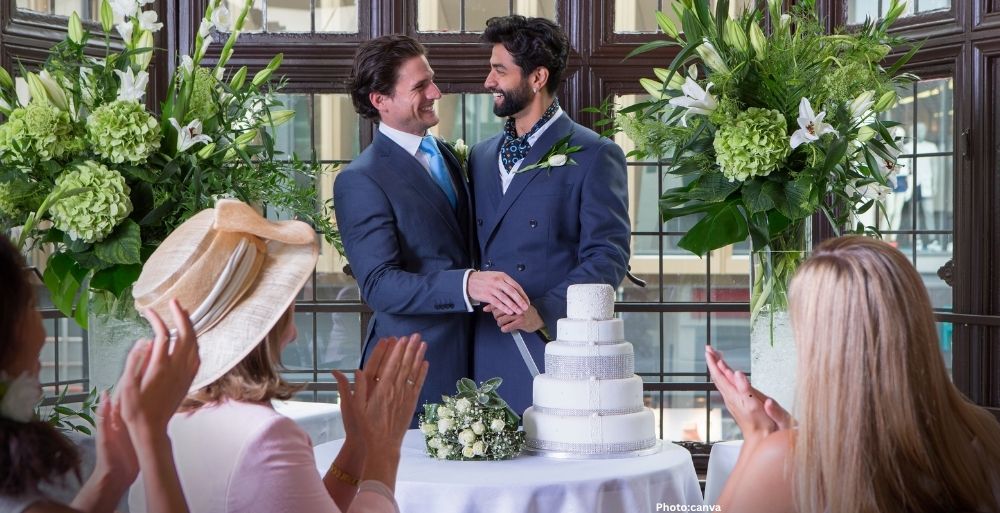
The 2026 Values and Beliefs survey shows that while support for legal same-sex marriage still holds a majority position, the percentage of Americans in favor has declined to 65%, down from 71% in both 2022 and 2023. This marks a notable decrease, although it remains significantly higher than the mere 27% support recorded in 1996. The trend suggests a modest but sustained retreat in public opinion over the last few years.
Shifts in Moral Acceptability
Similarly, the survey highlights a decline in the moral acceptance of same-sex relationships. Currently, 62% of Americans regard these relationships as morally acceptable, the lowest figure since 2016. More strikingly, when examining attitudes toward gender transition, the survey reveals a sharp decrease in the number of Americans who consider it morally acceptable. Only 38% of respondents now support gender transition, a drop from 46% in 2021, while 57% view it as morally wrong.
These shifts indicate that the American public is not abandoning support for LGBTQ rights entirely but is reassessing some of the prevailing assumptions that dominated discourse during the early 2020s. Rather than a complete reversal of progress, the data point to growing hesitation and ambivalence, particularly regarding gender identity issues.
Political Divides in Support
The underlying political dynamics of this shift are significant. Gallup’s findings suggest that most of the recent decline in support for same-sex marriage has occurred among Republican voters. In 2021 and 2022, 55% of Republicans expressed support for same-sex marriage; that number has since plummeted to 37%. Additionally, the percentage of Republicans who view same-sex relationships as morally acceptable has decreased from 56% to 35% since 2022. In contrast, support among Democrats has remained largely stable, with 87% in favor of same-sex marriage and 81% considering same-sex relationships morally acceptable. Independents, while still supportive, have also shown signs of declining approval in recent years.
The debate surrounding gender transition has further polarized perspectives. Only 5% of Republicans now regard gender transition as morally acceptable, in stark contrast to 42% of independents and 60% of Democrats. These figures illustrate that issues related to gender identity have emerged as one of the most contentious divisions in contemporary American society.
Growing LGBTQ Population
Despite the cooling attitudes towards certain LGBTQ issues, Gallup reports a notable increase in the number of Americans identifying as LGBTQ. Currently, an estimated 9% of American adults identify as LGBTQ, more than double the 3.5% reported in 2012. This figure has remained relatively stable over the past two years after a period of rapid growth. Demographics reveal that nearly one-quarter (23%) of Americans under the age of 30 identify as LGBTQ, compared to 10% of those aged 30 to 49, 3% among those aged 50 to 64, and just 2% among seniors. Furthermore, women are more likely than men to identify as LGBTQ, with rates of 10.5% and 5.6%, respectively. Notably, nearly 60% of LGBTQ-identifying individuals classify themselves as bisexual, making this the largest category within the LGBTQ community, while approximately 1.1% identify as transgender.
Contradictory Developments
These seemingly contradictory trends—an expanding LGBTQ population alongside declining support for specific LGBTQ-related positions—underscore a reality often obscured in political discourse. Many Americans now have personal connections to individuals who identify as LGBTQ but still express reservations about certain social, educational, and legal questions. Observers from various political backgrounds offer differing explanations for these changes. Some attribute the decline in support to rising concerns over medical interventions for minors experiencing gender dysphoria, while others highlight contentious debates regarding women’s sports, parental rights in education, and the role of diversity and inclusion initiatives in public institutions. Advocates for LGBTQ rights emphasize that recent political campaigns and cultural backlash may have contributed to this shift in public opinion.
The latest Gallup findings suggest a new phase in the American conversation surrounding LGBTQ rights. The rapid expansion of support that characterized the early 21st century appears to have slowed, giving way to a more nuanced debate where widespread acceptance of LGBTQ individuals coexists with renewed disagreements over the social, moral, and political implications of the movement’s evolving agenda. For religious communities, policymakers, educators, and activists, navigating these disagreements presents a significant challenge, as they seek to engage with differing views without resorting to caricatures.