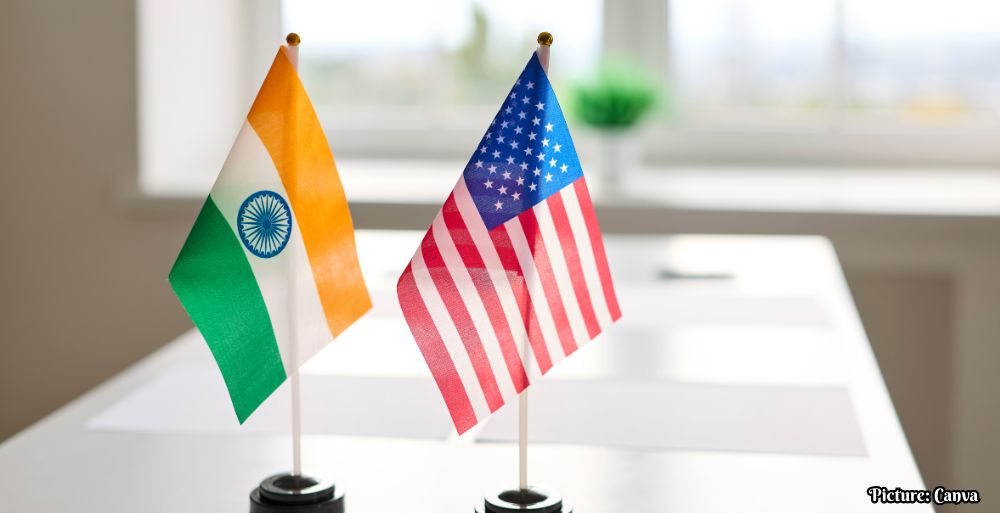
India is holding out for more favorable trade terms in negotiations with the United States, following unsuccessful talks last month that left key issues unresolved.
NEW DELHI — In a bid to secure a more advantageous trade agreement with the United States, India has opted not to rush into finalizing a deal during recent negotiations. This decision follows a visit by US Trade Representative Jamieson Greer to New Delhi last month, where no consensus was reached on an interim trade agreement that both sides had anticipated could be completed.
According to an Indian government official familiar with the discussions, the lack of agreement stemmed from Washington’s failure to provide guarantees on New Delhi’s primary demands, which include tariff advantages over competitors like China and a commitment to refrain from imposing new US tariffs post-agreement. “Our position is clear – we don’t intend to rush into a deal that is not on favorable terms or compromise on red lines like ceding ground on agriculture,” the official stated.
Context of the Negotiations
The trade talks occur against a backdrop of increasing economic pressures, as President Donald Trump prepares to introduce new tariffs likely to be implemented later this month. These tariffs could significantly affect India’s exports, which are currently subject to a 10% tariff rate imposed by the US. The anticipated tariffs, which could reach up to 12.5%, are part of investigations into alleged excess industrial capacity and forced labor practices in various countries, including India.
The Indian government has consistently denied allegations of surplus capacity, which has complicated the negotiations. A senior US official, speaking on condition of anonymity, indicated that India has been perceived as slow and bureaucratic in the negotiation process, dampening hopes for a swift resolution.
While both sides have maintained engagement, the US perspective suggests that India must make concessions to earn the preferential treatment it seeks in trade discussions. The Indian trade ministry and the Office of the United States Trade Representative did not respond to requests for comment regarding the ongoing negotiations.
Economic Context and Strategic Considerations
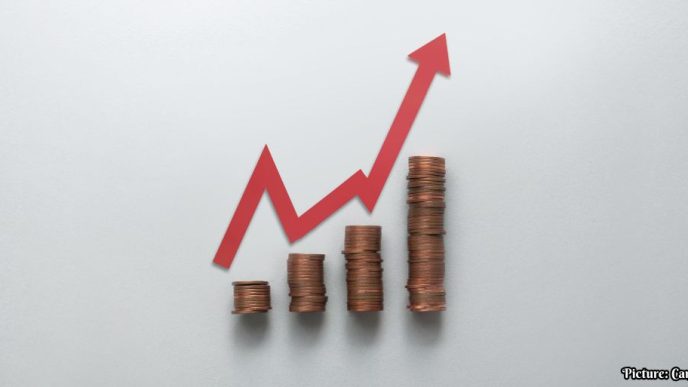
Despite the ongoing trade tensions, India’s export sector has shown resilience; overall goods exports increased by approximately 15% in the April to June period compared to the previous year. This growth was driven in part by rising petroleum prices and a recovery in exports to Gulf countries, which reached $5.3 billion in May, up from $2.62 billion in March. Exports to the United States also saw an uptick, amounting to $17.29 billion during April and May.
Experts suggest that India’s expanding network of trade partnerships has strengthened its negotiating position. The anticipated UK free trade agreement, set to take effect this month, alongside an expected EU deal early next year, positions India favorably in the global market. Wendy Cutler, senior vice president at the Asia Society Policy Institute, noted that “Indian negotiators have gained some leverage in the talks, given its strong economy, diversification initiatives with other partners, and its strategic standing in the world.”
Additionally, a recent interim peace deal between the US and Iran has alleviated some economic risks for India, leading economists at Goldman Sachs to raise their growth forecast for India to 6.8% for 2026, while also lowering inflation and current account deficit estimates. These factors may provide India with the economic space to hold out for better trade terms.
Political Implications and Future Outlook
India’s leadership is also mindful of the political implications of trade negotiations. Following recent electoral successes for Prime Minister Narendra Modi’s Bharatiya Janata Party (BJP), there is a concerted effort to ensure that trade agreements do not undermine the interests of influential domestic constituencies, particularly farmers and small businesses. Ajay Srivastava, founder of the Global Trade Research Initiative, remarked that “India realizes that delaying – or even abandoning – a rushed deal may be more prudent than locking into obligations whose costs could far exceed any temporary tariff relief.”
The ongoing negotiations encapsulate a complex interplay of economic strategy and political calculus, as both nations navigate their respective interests in a rapidly evolving global trade landscape. As both sides continue to engage, the outcome of these discussions will have significant implications for trade relations between the two countries and the broader geopolitical landscape. The White House spokesman, Kush Desai, affirmed that the Trump administration remains committed to finalizing a deal that prioritizes American interests, stating, “The Trump administration continues to productively engage with Indian officials to finalize a historic trade deal that puts Americans and America First.”