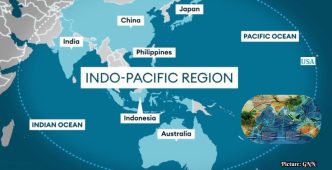
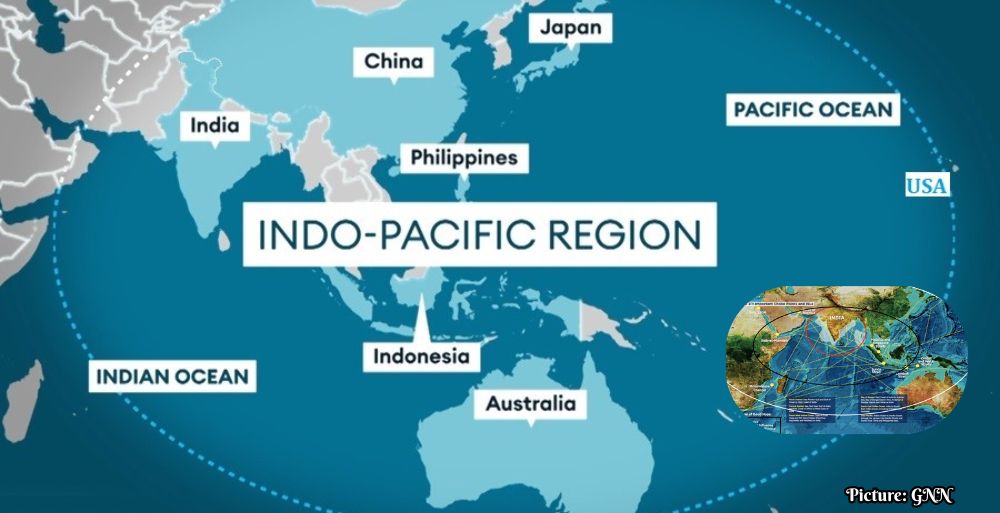
A growing network of strategic partnerships in the Indo-Pacific region is taking shape, with India positioned as a pivotal player. Recent agreements among key nations highlight a significant shift in defense cooperation and energy security.
In recent months, India has emerged as a central figure in an evolving security architecture within the Indo-Pacific region. This shift is underscored by a series of high-profile diplomatic engagements, culminating in agreements that reflect a commitment to defense cooperation and energy security. Key players in this transformation include Australia, Japan, and Indonesia, each of whom has strengthened ties with India through various initiatives.
Strengthening of Defense Ties
The groundwork for this burgeoning collaboration was laid during Prime Minister Narendra Modi’s recent visits to Indonesia and Australia. These trips showcased a series of agreements aimed at enhancing military cooperation among the Quad nations—India, Australia, Japan, and the United States—as well as with ASEAN member states. The significance of these developments cannot be overstated, especially given the strategic importance of Indonesia within ASEAN.
In February 2026, Australian Prime Minister Anthony Albanese and Indonesian President Prabowo Subianto formalized the Australia-Indonesia Treaty on Common Security, commonly referred to as the Jakarta Treaty. This agreement not only commits both nations to collaborative consultations regarding security threats but also establishes frameworks for defense interoperability and expanded military education exchanges. The Jakarta Treaty marks a significant step in defense relations, reflecting a shared commitment to address regional security challenges.
Moreover, Japan’s engagement with Indonesia has also taken a notable turn. In March 2026, Japanese Prime Minister Sanae Takaichi visited Indonesia to sign an enhanced agreement facilitating the export of arms and military equipment. This marks a pronounced shift in Japan’s traditionally pacifist stance toward defense exports and underscores an evolving security posture in response to regional dynamics.
Multilateral Military Cooperation
India’s defense cooperation agreements extend beyond bilateral frameworks. In July 2026, Modi’s administration signed a substantial enhancement of defense cooperation with Indonesia, building upon existing collaborations involving advanced weaponry, including the BrahMos missile system. Earlier, on July 2, 2026, Takaichi also forged a partnership in Delhi focused on strategic convergence and operational trust among the Quad nations.
In practical terms, these agreements manifest in cooperative military initiatives. Australia has embedded a senior Indonesian officer within its defense forces, facilitating joint training programs aimed at enhancing operational readiness. Additionally, India has invited Indonesia to participate in the Indian Navy-run Information Fusion Centre for the Indian Ocean Region, a multinational hub designed to improve maritime security through real-time data sharing.
Energy Security Initiatives
Beyond defense, energy security has emerged as a crucial area of collaboration among these nations. India recently formalized an agreement with Australia to address potential disruptions to energy supplies, particularly in light of geopolitical tensions in West Asia. This agreement includes provisions for renewable energy, liquefied natural gas (LNG), and the export of Australian uranium to India for peaceful purposes, reflecting a renewed commitment to the Australia-India Nuclear Cooperation Agreement established in 2015.
Similarly, Japan and India are engaged in discussions to bolster energy security, focusing on upstream investments in third countries, while Indonesia is exploring the introduction of nuclear energy solutions, an area in which it has previously had limited experience. These initiatives collectively illustrate a concerted effort to mitigate vulnerabilities related to energy supply disruptions.
A Shared Value System
An underlying theme of these partnerships is the promotion of shared values within the Indo-Pacific. The Quad nations have reiterated their commitment to a ‘Free and Open Indo-Pacific’ and have emphasized the importance of international law and the protection of civilians in conflict zones such as Iran and Ukraine. This emphasis on rule-based order reflects a collective desire to uphold stability and predictability in the region.
Reactions to US Policy Shifts
While concerns regarding China’s assertiveness in the region are prevalent, the motivations behind these alliances extend beyond a reaction to Beijing’s actions. A significant factor is the unpredictability of U.S. foreign policy, particularly following remarks made by U.S. officials at the Shangri-La Dialogue, which emphasized the need for allies to meet certain defense spending benchmarks. These developments have led Indo-Pacific nations to reevaluate their own security strategies and deepen their regional collaborations.
Additionally, as countries grapple with the economic repercussions of global conflicts, including the wars in Ukraine and Iran, they are seeking to establish more resilient trade and economic frameworks. Indonesia’s recent trade agreement with the United States, which reduces tariffs significantly, exemplifies this effort to navigate complex economic landscapes while maintaining strategic partnerships.
Looking Ahead
The recent agreements and collaborations among India, Indonesia, Australia, and Japan signal a pivotal moment in the Indo-Pacific region. As these nations navigate the complexities of shifting geopolitical dynamics, the question remains whether their bureaucratic processes can keep pace with the rapid changes in policy and strategy. The ongoing initiatives in defense and energy collaboration are crucial to establishing a cohesive Indo-Pacific strategy, underscoring the importance of maritime security and regional stability in the coming years.