During a recent visit to India, IMF Deputy Managing Director Nigel Clarke emphasized the country’s crucial role in the next phase of global economic growth, driven by its robust economic fundamentals and private sector dynamism.
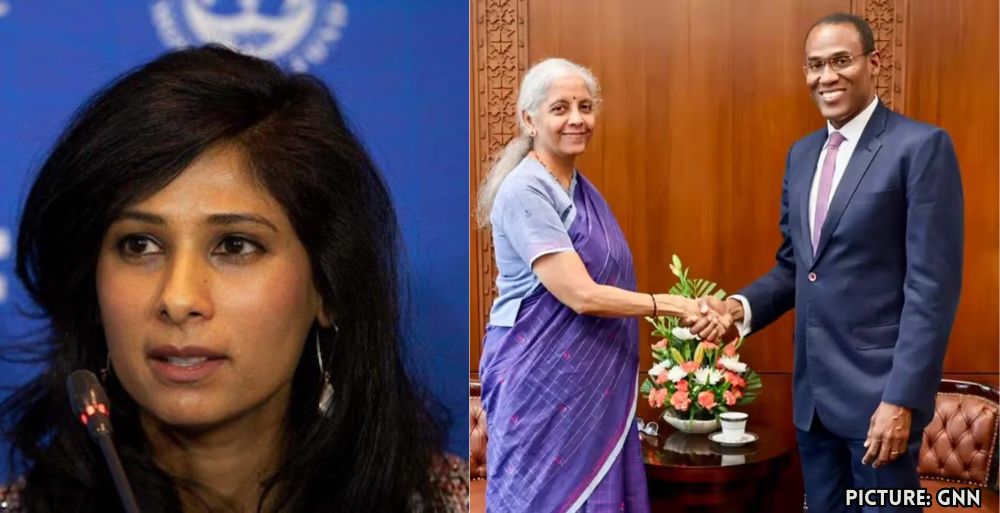
NEW DELHI – Nigel Clarke, the Deputy Managing Director of the International Monetary Fund (IMF), concluded a five-day visit to India, where he underscored the country’s growing significance in technology, manufacturing, and private-sector investment as pivotal factors in shaping the next wave of global economic expansion. This visit marks Clarke’s first official trip to India in his current role, during which he engaged in discussions with high-level government officials and business leaders.
Clarke’s itinerary included meetings in major economic centers such as New Delhi, Mumbai, and Chennai, where he interacted with key figures including Finance and Corporate Affairs Minister Nirmala Sitharaman, Reserve Bank of India Governor Sanjay Malhotra, and NITI Aayog Vice Chairman Ashok Kumar Lahiri. These discussions were aimed at fostering a deeper understanding of India’s economic strategies and its potential contributions to global economic stability.
India’s Economic Landscape
“India has the potential to power the next wave of global growth, and the IMF remains a close partner in supporting the country on this journey,” Clarke conveyed in a statement released from Washington following his trip. His remarks are particularly significant as India is recognized as the world’s fastest-growing major economy. The IMF has projected India’s growth rate at approximately 6.1% for the fiscal year 2023-2024, reflecting the country’s resilience in a challenging global environment.
Clarke expressed appreciation for the “warm hospitality and constructive discussions” he received during his visit, underlining India’s role as a major contributor to the global economy. He stated, “India continues to be a key driver of global growth supported by strong fundamentals and sound policy frameworks.” This perspective aligns with India’s recent economic initiatives aimed at enhancing productivity and competitiveness across various sectors.
Focus on Economic Stability
The discussions between Clarke and Indian policymakers centered on the economic outlook amidst shifting global dynamics, with a focus on identifying steps that could cultivate sustainable and inclusive growth. Clarke emphasized the critical need for maintaining economic stability in the face of global uncertainties and evolving risks.
“Against a backdrop of heightened global uncertainty and evolving risks, preserving macroeconomic stability and resilience remains essential,” Clarke remarked. He further elaborated on the necessity of maintaining adaptable policies, controlling inflation, and implementing reforms that could enhance productivity and strengthen competitiveness over the medium term.
Private Sector Engagement
In addition to his meetings with government officials, Clarke engaged with business leaders to gain insights into the contributions of India’s private sector towards economic growth. He praised the dynamism of India’s private sector and highlighted the country’s extensive talent pool and rapidly advancing technological and manufacturing capabilities.
“I am grateful for the opportunity to engage with business leaders and was impressed by India’s private sector dynamism, deep talent pool, and rapidly evolving technological and manufacturing capabilities,” Clarke noted. He emphasized that innovation, digital transformation, and technology adoption are essential for further enhancing productivity and competitiveness. This focus on innovation is critical as India seeks to position itself as a global leader in manufacturing and technology.
“Our exchanges highlighted how innovation, digital transformation, advanced manufacturing, and technology adoption can boost productivity, strengthen competitiveness, and support higher-value activities,” he added. This perspective reflects the broader objectives of India’s economic policies aimed at enhancing its technological infrastructure and promoting sustainable industrial growth.
Multilateralism and Regional Support
Clarke also expressed gratitude for India’s commitment to multilateralism and its ongoing efforts to assist neighboring countries in the region. He underscored the importance of collaborative approaches in addressing global economic challenges, reinforcing the notion that India’s growth trajectory is not only beneficial for its own economy but also for regional stability and development.
As the IMF continues to engage with India, Clarke’s visit represents a significant step in strengthening the partnership between the IMF and one of the world’s largest economies. The insights and discussions gathered during this visit are expected to inform future economic strategies and collaborations between India and the international financial community.
The implications of Clarke’s statements highlight the IMF’s recognition of India’s potential as a pivotal player in the global economy. With the ongoing shifts in global economic power dynamics, India’s ability to leverage its strengths in technology and manufacturing could prove instrumental in shaping future economic policies and fostering global growth.
In conclusion, Clarke’s visit not only emphasizes the IMF’s commitment to supporting India’s economic aspirations but also reflects the broader sentiment of international stakeholders who recognize India’s potential to contribute significantly to global economic stability and growth in the years to come.