The financial implications of the ongoing U.S. conflict in Iran are projected to surpass $1 trillion, according to Harvard public policy expert Linda Bilmes, who emphasizes a historical trend of underestimating war costs.
In a recent interview at the Harvard Kennedy School, Linda Bilmes, a prominent public policy lecturer and author of “The Ghost Budget: U.S. War Spending and Fiscal Transparency,” conveyed alarming projections regarding the financial burden of the current conflict in Iran. Bilmes estimates that costs could exceed $1 trillion for U.S. taxpayers, a figure that underscores a persistent pattern of underestimating the true expenditures associated with military conflicts.
Bilmes’s concerns echo historical precedents set during previous U.S. military engagements. Following the 2003 invasion of Iraq, the Congressional Budget Office (CBO) offered an initial estimate of $500 billion in direct costs related to the conflict. However, economists Joseph Stiglitz and Bilmes themselves contested this figure in a 2006 study, asserting that the actual burden was approximately four times higher, totaling over $2 trillion. Bilmes later revised her estimates in 2013, concluding that the combined financial implications of the Iraq and Afghanistan wars could range from $4 trillion to $6 trillion.
Current Costs and Economic Implications
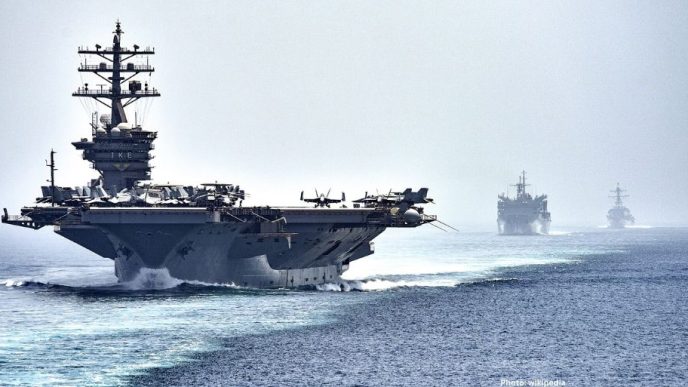
As the United States finds itself again engaged in military operations in the Middle East, Bilmes’s $1 trillion estimation for the Iran conflict starkly contrasts with initial projections. Current reports indicate that military operations are costing around $2 billion per day. In the first week alone, the Pentagon reported expenditures of approximately $11.3 billion. If this rate continues, total costs could exceed $35 billion by early April, as estimated by the American Enterprise Institute (AEI).
AEI economists have calculated that the first month of military action could burden each American household with approximately $260. While this figure may seem modest on an individual level, it is significant when considering the over 150 million taxpaying households across the United States. Bilmes emphasized that the long-term financial implications of war often remain underestimated, stating, “Wars always have a long tail of costs. Wars cost more than we expect. Wars take longer to resolve than we anticipate, and some of these costs are very consequential.” Such insights call attention to the need for comprehensive evaluations of military expenditures.
Political Context and Funding Requests
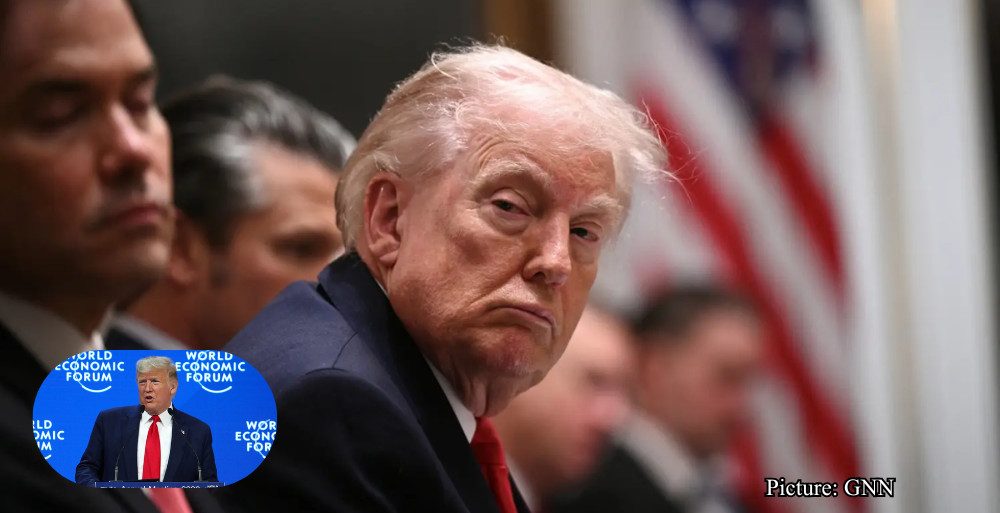
Amid ongoing military operations, President Donald Trump has expressed optimism regarding the conflict’s resolution, claiming it could conclude “very soon” as the U.S. engages in peace negotiations with Iran, notwithstanding a continued blockade of the strategic Strait of Hormuz. Trump’s rhetoric has consistently reflected an administration desire for a swift resolution to the conflict.
However, the Pentagon’s recent request for an additional $200 billion in funding for operations related to Iran, as reported by the Washington Post, raises pressing questions about the sustainability of military spending amidst an already considerable financial burden on U.S. taxpayers. This request indicates a continued commitment to military engagement, even while advocating for peace talks.
Understanding the Hidden Costs of War
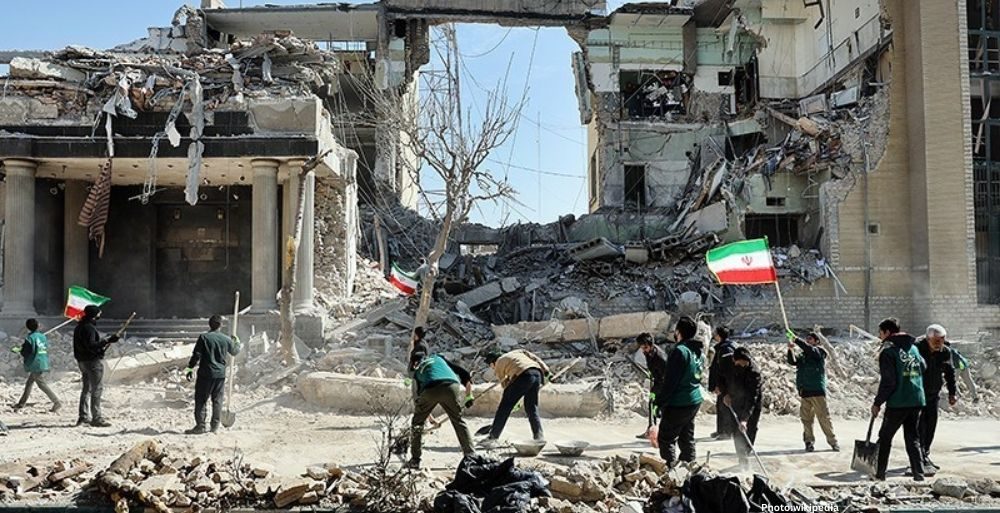
Bilmes pointed out that discussions surrounding war costs often narrowly focus on direct expenditures related to munitions and combat operations, which she argues are frequently understated. The broader financial implications encompass a range of factors, including veterans’ healthcare costs, interest on borrowed funds used to finance military operations, and long-term reconstruction efforts in war-impacted regions.
In light of the United States’ national debt, which currently stands at approximately $39 trillion, the potential for escalating war costs to further strain public finances presents a significant concern for policymakers and taxpayers alike. Bilmes’s analysis serves as a critical reminder that the economic ramifications of military action extend well beyond immediate expenditures, imposing lasting burdens on the national economy.
The Long-term Consequences of War Spending
As the situation in Iran continues to unfold, comprehensive assessments of military costs, including those that may emerge long after active conflict has ceased, will be essential for understanding the full impact of U.S. military engagement in the region. Bilmes’s insights shed light on the often-overlooked complexities of war financing, urging a more nuanced understanding of both the direct and indirect costs associated with military operations.
Historically, U.S. military engagements have illustrated a tendency to underestimate the financial toll of warfare. As the nation navigates its current conflict in Iran, Bilmes’s warnings serve as a vital call to action for more accurate budgeting and transparent accounting of military expenditures. The implications of these financial burdens extend beyond immediate costs, influencing national debt levels and shaping future fiscal policy.
Ultimately, as the U.S. contemplates its military strategy and diplomatic efforts in Iran, a thorough consideration of the long-term financial implications will be crucial in ensuring accountability to the American public. The historical context of war spending, combined with present challenges, underscores the need for a transparent dialogue about the costs of military engagement and their enduring effects on the nation’s financial landscape.