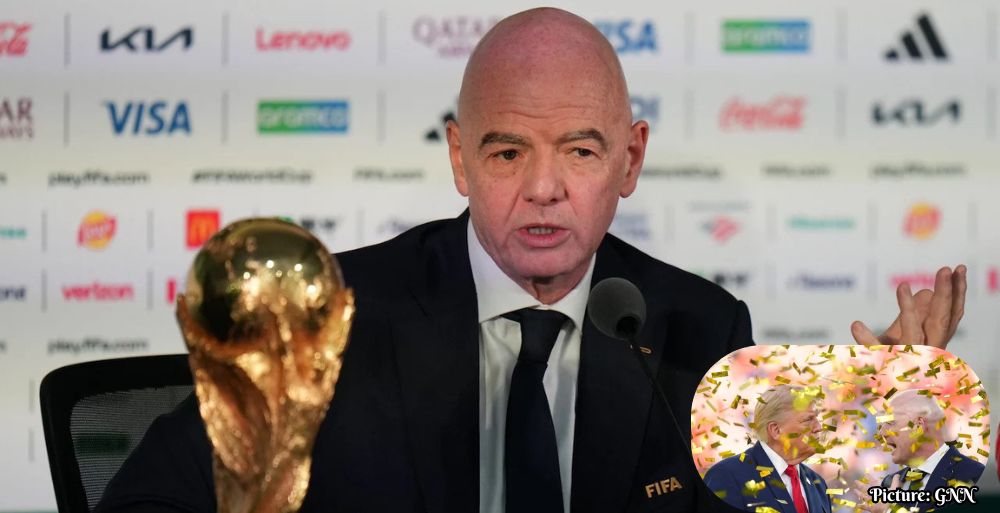
FIFA’s proposal to sell minority stakes in its operations has drawn sharp criticism from soccer governing bodies across Europe, Asia, and the Americas, with UEFA considering a boycott of FIFA events if the plan is approved.
FIFA is preparing to present a controversial investment plan to its 211 member associations, seeking approval for a proposal that involves raising $4.2 billion through the sale of a minority stake in a newly created subsidiary. This plan, which has already faced significant backlash from various soccer governing bodies, is set to be voted on in September, with the outcome potentially reshaping the landscape of international soccer.
According to reports from several media outlets, including The Times and the Financial Times, FIFA aims to sell a 20% stake in the FIFA Forward Enterprise, which will oversee the nonprofit’s commercial and event operations. The subsidiary is valued at approximately $20 billion, and if the deal goes through, each member association would receive $20 million in immediate funding, with additional annual increases in financial support through 2038.
Financial Context and Implications
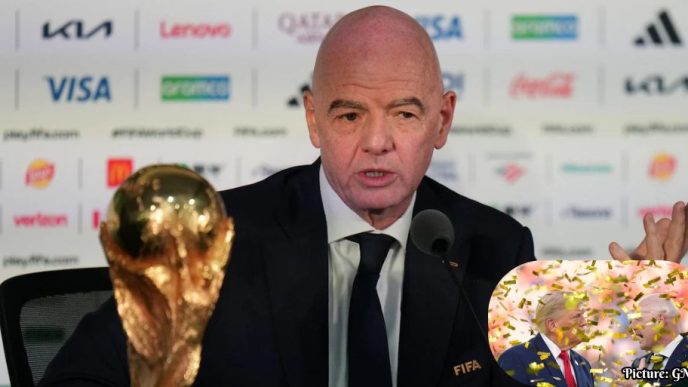
The proposed investment marks a significant shift in FIFA’s financial strategy, potentially generating substantial revenue at a time when the organization is under scrutiny for its governance practices. FIFA’s revenue from the 2026 World Cup is projected at $15 billion, a marked increase from the estimated $7.57 billion generated during the previous World Cup cycle in 2022. FIFA president Gianni Infantino has framed this move as a way to “unleash the commercial potential” of the organization, emphasizing the financial opportunities that such a venture could provide.
However, the plan requires the approval of a majority of FIFA’s member associations, and the urgency of the vote—set for September 19—has raised eyebrows among various stakeholders. The proposal comes amid growing tensions between FIFA and UEFA, the governing body for European soccer, which was reportedly unaware of the plan until it was publicly announced.
UEFA’s Response and Potential Boycott
In light of the announcement, UEFA is convening an emergency virtual meeting to assess the implications of FIFA’s plans. French Sports Minister Marina Ferrari highlighted the need for a unified European voice in response to what she described as a project that could “profoundly transform” the sport. Reports suggest that UEFA is contemplating the possibility of boycotting FIFA events, including the upcoming World Cup and Club World Cup, should the investment plan proceed without adequate consultation.
UEFA president Aleksander Ceferin has expressed strong opposition to the plan, stating that it undermines the integrity of soccer’s governance. In a statement, UEFA articulated its concerns, asserting that “the soul and governance of football are not assets to trade—especially with zero transparency as to who gains financially.” The organization emphasized the need for a collective stance among national football associations and other stakeholders, including leagues, clubs, players, and fans.
Criticism from Global Governing Bodies
The response from other soccer governing bodies has been similarly critical. CONCACAF, representing soccer in the Americas, expressed its “deep concern” regarding the lack of due process, indicating that it was only informed about the deal through media reports. The Asian Football Confederation has echoed these sentiments, stating it was not consulted and was disappointed by the lack of communication on such a significant proposal.
Similarly, the Football Association in England voiced its concerns, noting that it was “completely unaware” of the proposal and lacked substantive details about the terms involved. British Prime Minister Andy Burnham weighed in on the matter, asserting that “football does not belong to investors” and emphasizing that the World Cup is a cultural event that should be preserved for the fans.
The Role of Gianni Infantino
As FIFA navigates this contentious proposal, Infantino’s potential role in the new subsidiary remains a topic of speculation. While sources indicate that he could serve as a commissioner or chief executive after his presidential term ends in 2031, Infantino has publicly denied that such discussions have occurred. His leadership has been controversial, particularly given his connections with the Trump administration, with reports suggesting that FIFA consulted with U.S. officials during the planning stages of the investment deal.
As the September vote approaches, the implications of FIFA’s proposal extend beyond financial considerations, touching on fundamental issues of governance, transparency, and the future of international soccer. Stakeholders from various regions are urging a thorough examination of the plan and advocating for a more inclusive decision-making process that respects the integrity of the sport.