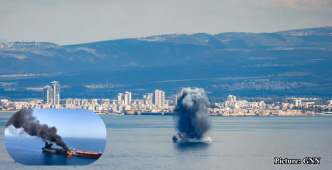
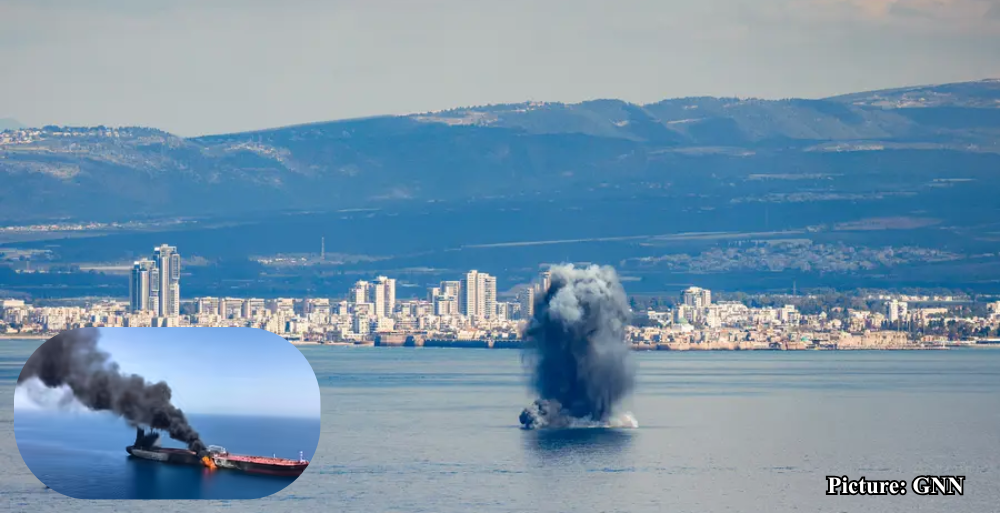
A ship was seized and another sank near the Strait of Hormuz, heightening tensions in a region crucial for global oil transportation.
DUBAI, United Arab Emirates — Tensions escalated in the Strait of Hormuz on Thursday as authorities reported the seizure of a ship anchored off the coast of the United Arab Emirates (UAE) and the sinking of another cargo vessel near Oman following an attack. These incidents occurred against a backdrop of ongoing diplomatic tensions between Iran and the United States, particularly regarding Iran’s assertion of control over the strategic waterway through which a significant portion of the world’s oil supply is transported.
The ship that was seized was taken by unauthorized personnel while anchored approximately 38 nautical miles (70 kilometers) northeast of Fujairah, a key oil export terminal in the UAE that has faced multiple assaults amid the conflict with Iran. The United Kingdom Maritime Trade Operations (UKMTO) center confirmed that they are investigating the incident, but did not disclose the name of the vessel involved. Reports indicate that the ship is currently heading toward Iranian waters.
Simultaneously, an Indian-flagged cargo ship, the Haji Ali, sank off the coast of Oman after reportedly being attacked, resulting in a fire onboard. According to Mukesh Mangal, a senior official in India’s shipping ministry, all 14 crew members were rescued by the Omani coast guard and are reported to be safe. The Indian foreign ministry condemned the attack, labeling it as “unacceptable,” but did not assign responsibility for the assault.
Diplomatic Context and International Reactions
The recent events occur during a tense diplomatic moment. Iranian officials reiterated the nation’s claim of sovereignty over the Strait of Hormuz, emphasizing their right to seize oil tankers linked to the U.S. This assertion aligns with Iran’s broader strategy in the region, as tensions have remained high in the wake of recent military confrontations and ongoing negotiations regarding Iran’s nuclear program.
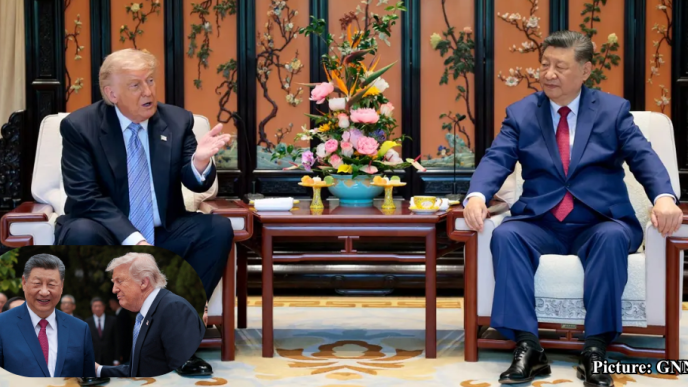
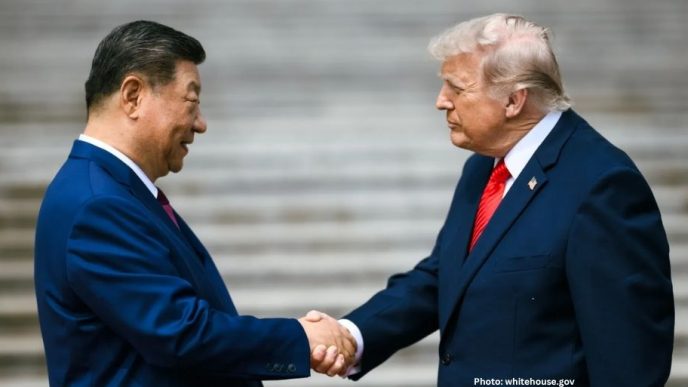
Iran’s semi-official news outlets reported that Chinese vessels began passing through the Strait under new protocols established by Tehran. This development followed communications between Iranian and Chinese officials, including a request from Beijing’s foreign minister. Notably, this maritime activity coincided with U.S. President Donald Trump’s visit to China, highlighting the geopolitical complexities involving multiple global powers.
In a separate but related development, Israeli Prime Minister Benjamin Netanyahu announced a clandestine visit to the UAE during the ongoing conflict with Iran. While the UAE denied the meeting took place, it underscores the intricate web of alliances and tensions in the region, particularly in light of the UAE’s normalization of relations with Israel in 2020, which has drawn criticism from Iran.
Iran’s Position and the U.S. Military Response
In light of the escalating tensions, Iran has laid out five conditions for any new negotiations with the U.S., including reparations for the war and recognition of Iranian sovereignty over the Strait of Hormuz. These demands are unlikely to be accepted by the U.S. government, as they would effectively formalize Iran’s control over a strategically vital waterway that has historically been open to international shipping.
Iranian officials have been vocal about their stance on maritime security, with senior vice president Mohammadreza Aref declaring that the Strait has always been Iranian territory. This sentiment was echoed by Iran’s judiciary spokesperson, who stated that Iran possesses the legal right to seize oil tankers connected to the U.S., citing violations of international maritime laws.
In response to these developments, U.S. military leaders have expressed concern regarding the impact of Iranian rhetoric on shipping in the Strait. Admiral Brad Cooper, the top U.S. commander in the Middle East, commented that while he believes Iran’s military capabilities have diminished, the threats emanating from Tehran are significantly influencing the merchant shipping and insurance industries. He affirmed that the U.S. possesses the military capacity to maintain open navigation in the Strait but acknowledged the complexities of the current geopolitical landscape.
Implications for Global Oil Trade
The Strait of Hormuz is a critical passage for global oil transportation, with approximately 20 percent of the world’s oil supply flowing through its waters. The recent incidents have raised alarms about the potential for further destabilization in the region, which could lead to increased oil prices and wider economic repercussions. The ongoing instability underscores the fragile nature of international maritime security and the intricate dynamics involving regional actors, global powers, and the flow of critical resources.
As the situation evolves, the international community continues to monitor developments closely, with calls for de-escalation and dialogue becoming increasingly urgent amid the backdrop of military posturing and strategic maneuvering in this pivotal region.