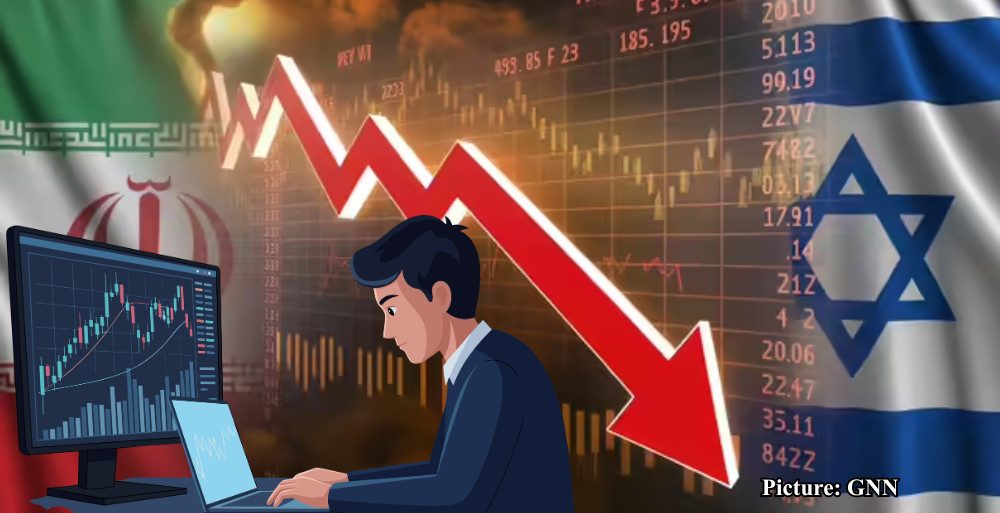
The ongoing conflict involving Iran has exacerbated an already strained global energy market, leading to significant increases in natural gas prices, particularly affecting Europe and Asia.
The recent escalation of hostilities in the Middle East, particularly between Israel and Iran, has triggered severe disruptions to the global natural gas supply chain. As of mid-October 2023, strikes on critical oil and gas infrastructure have led to a notable increase in prices, compounding an existing energy crisis exacerbated by previous supply constraints and geopolitical tensions.
The Strait of Hormuz, a vital shipping lane for oil—through which approximately 20% of the world’s oil passes—has been a focal point of these tensions, with its closure contributing to soaring energy prices. However, recent military actions have specifically targeted natural gas facilities, significantly impacting supply and prices.
Impact of Strikes on Global Supply
On October 11, 2023, Israeli forces launched an attack on Iran’s South Pars gas field, one of the largest in the world. Following this, Iranian forces reportedly retaliated by striking natural gas infrastructure in Qatar and the United Arab Emirates. These attacks have led to substantial disruptions, with QatarEnergy’s CEO stating that approximately 17% of Qatar’s export capacity has been rendered non-operational, with repairs projected to take between three to five years.
Qatar, being the world’s third-largest natural gas exporter, plays an integral role in the global energy market. The fallout from these strikes is expected to have far-reaching implications for countries reliant on Qatari gas, including Italy, Belgium, South Korea, and China. Jim Krane, a fellow at Rice University’s Baker Institute, emphasized the significance of the situation, stating, “Now we’re seeing direct attacks on multibillion-dollar infrastructure that’s going to take as long as five years to fix. It’s going to be really costly.”
Price Fluctuations and Market Reactions
In response to these developments, the price of natural gas in Europe has surged dramatically. The Dutch gas benchmark TTF, for example, has nearly doubled since the onset of the conflict, with a reported increase of approximately 17% in a single week. Analysts anticipate that Asia, which imports around 80-90% of its gas from Qatar, will bear the brunt of these price hikes, complicating the energy landscape further.
Aditya Saraswat, senior vice president at the consulting firm Rystad Energy, indicated that “Asia will be impacted the most,” as the region competes for limited supplies. Ira Joseph, a global fellow at Columbia University, warned that the situation could be “potentially quite recessionary if this lasts for a considerable period of time,” suggesting that prolonged disruption could have adverse effects on global economic stability.
Regional Disparities in Price Effects
Interestingly, while global prices have spiked, the impact on U.S. natural gas prices has been relatively muted. The benchmark Henry Hub price has risen only about 8% since the beginning of the conflict, in stark contrast to the volatility seen in European and Asian markets. Krane explained that the U.S. gas market operates largely on a regional basis, stating, “Gas markets are regional. We don’t import LNG in the U.S. anymore.” As a result, American consumers are expected to remain insulated from the dramatic fluctuations affecting other parts of the world.
Broader Economic Implications
The ongoing rise in energy prices may extend beyond the gas market, influencing oil prices as well. As gasoline prices in the United States reached an average of $3.91 per gallon—up nearly a dollar from a month prior—concerns regarding consumer strain and potential recessionary effects have grown. Saudi Arabian officials have warned that oil prices could escalate to as high as $180 per barrel from the current $109 level, further highlighting the precarious state of the global energy market.
These developments are critical as they coincide with a broader context of rising energy costs that began long before the current conflict. The COVID-19 pandemic had already disrupted supply chains, and the global economy is still in recovery. The ongoing conflict in Ukraine has also contributed to volatility in energy markets, as European nations seek alternatives to Russian energy supplies. The interplay of these factors creates a complex environment in which energy prices are influenced not only by immediate conflicts but also by longer-term global trends.
Future Considerations for Energy Markets
As the situation continues to evolve, energy analysts are closely monitoring additional geopolitical developments and their potential impact on global energy supplies. The strikes on infrastructure, coupled with the ongoing conflict, raise concerns about the sustainability of energy supplies and the potential for further price increases. Some analysts argue that the market may need to adjust to a new reality where geopolitical risks are more pronounced, leading to heightened volatility in energy prices.
In summary, the conflict in Iran has propelled the global energy market into a critical juncture, with substantial repercussions for natural gas prices and broader economic implications. As geopolitical tensions continue to unfold, stakeholders across the globe are urged to remain vigilant and prepare for possible shifts in energy availability and pricing. The future of energy markets remains uncertain, with the potential for significant ramifications depending on the duration and escalation of the conflict.