
The Department of Homeland Security has announced proposed changes to the U.S. citizenship test, introducing new educational requirements aimed at enhancing the naturalization process.
The Department of Homeland Security (DHS) has unveiled plans to amend the U.S. citizenship test, a critical step that prospective citizens must navigate to attain U.S. citizenship. While comprehensive details regarding these changes are currently unavailable, the proposal aims to establish clearer educational standards for individuals seeking naturalization, reflecting an ongoing evolution in U.S. immigration policy.
In a statement, the DHS articulated its intention to bolster the integrity of the naturalization test. The proposed updates would authorize U.S. Citizenship and Immigration Services (USCIS) to introduce greater flexibility in administering the test, including the potential for third-party organizations to oversee the testing procedures. This announcement signifies a broader trend in immigration policy, which has seen adjustments not only in visa protocols but also in long-standing naturalization requirements.
Current Naturalization Process
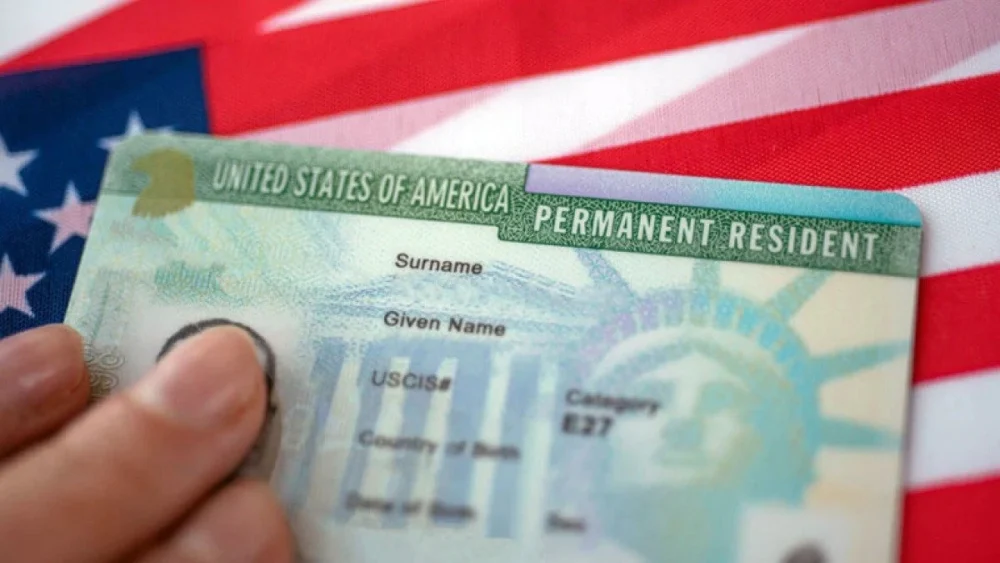
Under existing regulations, individuals over the age of 18 who have held a Green Card for at least five years—three years if they are married to a U.S. citizen—can apply for naturalization. The citizenship test comprises two key components: an English language assessment and a civics test that evaluates an applicant’s understanding of U.S. history and government. At present, there are no defined minimum educational standards that applicants must meet; instead, they are required to demonstrate basic proficiency in English and a foundational knowledge of U.S. history and governmental principles.
The DHS highlighted that the absence of specific educational requirements in current regulations creates ambiguity regarding how applicants should fulfill these criteria. In its statement, the DHS noted, “Aliens applying for naturalization must demonstrate an understanding of the English language, including an ability to read, write, and speak words in ordinary usage (English language requirements). Aliens must also demonstrate knowledge and understanding of the fundamentals of the history, and of the principles and form of government, of the United States (civics requirements).” The proposed modifications, according to the DHS, aim to facilitate the proper assimilation of lawful immigrants into American society, fostering a unified national identity and adherence to U.S. laws and principles.
Reactions from Legal Experts and Stakeholders
Immigration attorney Gabriella Walsh commented on the proposed rule, emphasizing that it is currently in the proposal stage and has not yet been implemented. She stated, “No changes have been implemented, and the details will not be known until the Notice of Proposed Rulemaking is published.” Walsh underscored the evolving nature of immigration policy, highlighting the necessity for continuous monitoring of changes, particularly regarding established processes such as naturalization.
The potential introduction of new educational criteria comes at a pivotal moment, as immigration policy remains under scrutiny in the United States. Various advocacy groups have criticized the citizenship process, arguing that changes may disproportionately impact certain demographics, particularly those from non-English-speaking backgrounds. Conversely, proponents of the proposed changes argue that enhanced educational requirements could lead to better integration of immigrants into American society, thereby strengthening national cohesion.
Additionally, the DHS proposal aims to provide USCIS with increased flexibility in administering the citizenship test, which could streamline the process for applicants. The ability for third-party organizations to conduct testing could introduce innovative assessment methods; however, specifics regarding implementation remain to be clarified. This proposed rule serves as a reminder of the dynamic nature of immigration law, which is often subject to rapid changes based on the current administration’s priorities and policy goals.
Implications for Future Applicants
As the DHS prepares to publish the Notice of Proposed Rulemaking, stakeholders—including immigration attorneys, advocacy groups, and potential applicants—are keenly awaiting the specifics of the proposed changes. The regulatory process typically includes a public comment period, allowing for feedback from various constituents, which will be crucial in shaping the final regulations before implementation.
The administration’s focus on the naturalization process mirrors broader immigration policy trends that aim to balance national security concerns with the need for a fair and equitable immigration system. Observers are closely monitoring these developments, as they will have significant implications for future applicants seeking U.S. citizenship. The evolution of the naturalization process highlights the ongoing debate about immigration in the U.S., with advocates on both sides weighing the benefits of stricter educational requirements against the potential barriers they may create for aspiring citizens.
Moreover, the DHS’s proposal raises questions about the accessibility of the citizenship process, particularly for individuals who may struggle with English proficiency or who come from diverse educational backgrounds. The outcome of these proposed changes could set a precedent for future immigration reforms, potentially influencing how the U.S. approaches citizenship and naturalization in the years to come.
Conclusion
In conclusion, as the DHS moves forward with its plans to amend the citizenship test, the proposed changes signal a significant shift in the naturalization landscape. The implications of these changes will not only impact current Green Card holders but also the broader fabric of American society as the nation continues to navigate its complex relationship with immigration.