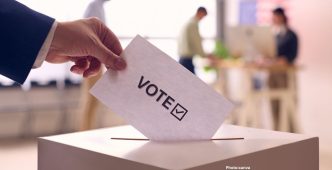
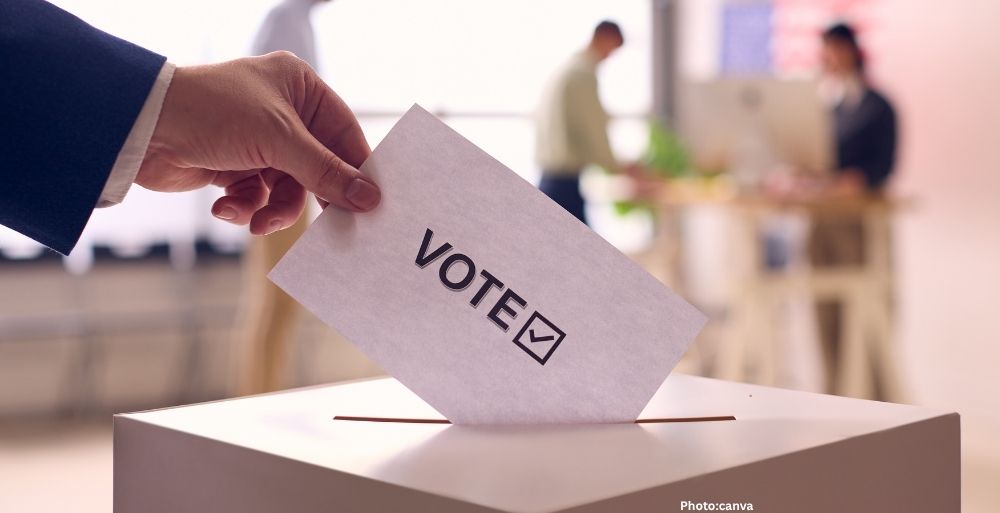
As the midterm elections approach, the discourse surrounding voting rights has intensified, with lawmakers balancing electoral integrity and access to the ballot amid a patchwork of state laws.
As of October 2023, the conversation around voting rights in the United States has taken on renewed urgency as lawmakers grapple with the implications of recent state-level legislative changes and ongoing national debates about the accessibility and integrity of elections. With the midterm elections fast approaching, the topic is poised to significantly influence voter turnout and political engagement across the country.
Historical Context of Voting Rights Legislation
The struggle for voting rights in the United States is deeply rooted in the civil rights movement of the 1960s, which sought to eliminate discriminatory practices that barred minority groups from exercising their right to vote. The Voting Rights Act of 1965 was a landmark piece of legislation designed to address these inequalities and protect the voting rights of all citizens. However, recent years have seen a pushback in some states, where new laws have been enacted that critics argue could disenfranchise voters, particularly among marginalized communities.
In 2021, the U.S. Congress made an unsuccessful attempt to pass the For the People Act, a comprehensive reform bill aimed at expanding voting access and curtailing gerrymandering. The bill proposed measures such as automatic and same-day voter registration, expanded early voting opportunities, and restrictions on voter roll purges. Following its failure to advance in the Senate, many states have taken it upon themselves to enact their own voting laws, leading to a disparate landscape of voting regulations across the nation.
Recent Legislative Developments
In 2023, a number of states have enacted laws that critics assert could undermine voter access. A prominent example is Georgia, where legislation passed in 2021 has come under scrutiny for introducing stricter identification requirements for absentee ballots and reducing access to drop boxes. Proponents of this legislation argue that it enhances election security, while opponents maintain that it disproportionately affects voters of color and low-income communities.
Contrastingly, states such as California and New York have recently adopted measures aimed at expanding voting rights. These include initiatives like automatic voter registration and extended voting periods, reflecting a growing divide among states in their approaches to voting access. This divergence in legislative action highlights how local governance continues to shape the voting experience for millions of Americans.
Public Sentiment and Political Consequences
Polling data suggests that voting rights remain a crucial issue for many Americans, with a significant majority expressing support for measures that would make voting more accessible. A recent survey conducted by the Pew Research Center indicated that approximately 70% of respondents favor automatic voter registration, while 65% support initiatives to expand early voting. Such public sentiment is increasingly influencing politicians, especially those facing re-election in competitive districts.
As the midterm elections draw near, candidates are leveraging the topic of voting rights as a central theme in their campaigns. Democratic candidates are particularly focused on the urgency of protecting voting access and advocating for federal intervention to secure electoral integrity. In contrast, many Republican candidates are emphasizing the need for stringent election security measures, citing concerns about voter fraud, despite evidence indicating that such fraud occurs infrequently.
Key Voices in the Debate
Prominent political leaders have made their positions clear amid the escalating debate over voting rights. Democratic Senate Majority Leader Chuck Schumer emphasized, “We must do everything in our power to protect the sacred right to vote. It is our responsibility to ensure that every American can cast their ballot without unnecessary barriers.” On the other hand, Republican National Committee Chairwoman Ronna McDaniel asserted, “We must ensure that our elections are secure and that every vote counts. Voter ID laws are a common-sense measure that protects the integrity of our electoral system.” This dichotomy encapsulates the broader national conversation surrounding voting rights, with each party framing the issue through its ideological lens.
Looking Toward the Future of Voting Rights
Given the contentious nature of these discussions, the upcoming months are likely to bring further polarization regarding voting rights. The potential for additional state-level legislation and ongoing congressional debates means that the future landscape of voting rights in the United States remains uncertain.
The outcomes of the midterm elections may serve as a critical indicator of the direction of voting rights legislation in the years to come. Should Democratic candidates successfully elevate voting rights as a pivotal issue, it could catalyze renewed federal efforts to address disparities in access. Conversely, if Republicans maintain or expand their control in key states, this may lead to further restrictions on voting access.
As the dialogue around voting rights continues, the implications of these legislative changes are poised to resonate well beyond the electoral process, influencing broader discussions about democracy, representation, and civic engagement in the United States. The upcoming elections will not only reflect the immediate political climate but also shape the ongoing narrative surrounding the fundamental right to vote.