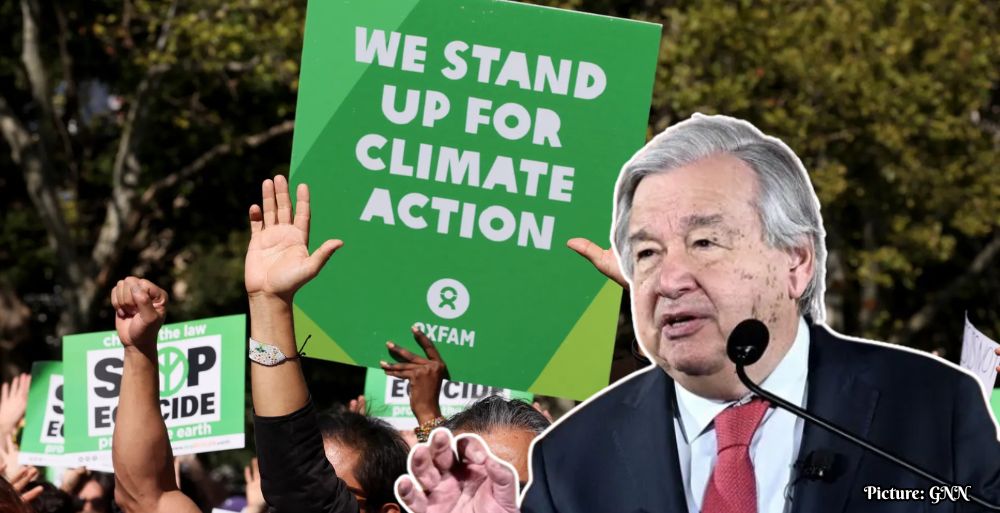
The United Nations has issued a critical warning regarding the escalating impacts of climate change, calling for immediate and comprehensive action from nations worldwide to address the rising global temperatures that threaten ecological and human systems.
The United Nations has raised an urgent alarm about the accelerating impacts of climate change, urging nations around the globe to implement immediate and effective measures to combat the rise in global temperatures. This call to action is informed by recent reports indicating that the planet is experiencing unprecedented warming, with average temperatures escalating at an alarming rate of approximately 1.1 degrees Celsius since the pre-industrial era.
According to the UN’s comprehensive climate assessment, human activities, particularly the burning of fossil fuels and deforestation, are significant contributors to this troubling trend. This report highlights the necessity for countries to transition to renewable energy sources and adopt sustainable practices to prevent further environmental degradation. The implications of inaction are severe and multi-faceted, affecting not just the environment but the economic and social fabric of nations.
Historical Context of Climate Agreements
The acknowledgment of climate change as a pressing global issue has evolved over several decades. The 1997 Kyoto Protocol marked the first major international agreement aimed at addressing climate change. Despite various international accords, including the 2015 Paris Agreement, which sought to limit global warming to below 2 degrees Celsius, the global community’s response has been inconsistent. Many nations have failed to meet their emissions reduction targets, leading to a growing consensus that current commitments are inadequate.
Since the inception of the Paris Agreement, some countries have made notable advancements in reducing greenhouse gas emissions and investing in green technologies. In contrast, others continue to rely heavily on fossil fuels, undermining collective efforts to mitigate climate change. The UN’s recent report underscores that without immediate and significant reductions in emissions, the world is on an unsustainable trajectory that could exceed critical temperature thresholds, leading to catastrophic climatic impacts.
Current Global Response and Upcoming Climate Summit
The UN’s call for action comes just months ahead of the next Conference of the Parties (COP) climate summit, where world leaders are expected to convene to discuss commitments to combat climate change. UN Secretary-General António Guterres has been particularly vocal, stating, “the climate emergency is here,” emphasizing that urgent action is required to avert irreversible damage to the planet.
In response to the UN’s warnings, several nations have ramped up their climate initiatives. For instance, the European Union has pledged to achieve climate neutrality by 2050, while the United States aims to reduce its greenhouse gas emissions by at least 50% by 2030, relative to 2005 levels. However, critics argue that while these commitments are a step in the right direction, they often lack the necessary enforcement mechanisms to ensure compliance and real change.
Economic and Social Implications of Inaction
The economic implications of failing to address climate change are profound. The UN report indicates that the cost of inaction could escalate dramatically as the frequency and intensity of climate-related disasters increase. For example, the World Bank has projected that climate change could push more than 100 million people into extreme poverty by 2030 if current trends continue. Additionally, rising sea levels threaten coastal communities and economies, exacerbating social inequalities.
The report also highlights the uneven burden of climate change, noting that vulnerable communities, particularly in developing countries, are disproportionately affected by its impacts. These communities often lack the resources to adapt to changing climatic conditions, making climate justice a critical consideration in global climate negotiations. The UN emphasizes the need for wealthy nations to provide support and resources to help these communities adapt and mitigate the adverse effects of climate change.
Long-Term Perspectives and Future Generations
The implications of continued inaction on climate change extend far beyond immediate environmental concerns; they threaten the very fabric of society as we know it. Rising sea levels, more frequent and intense weather events, and widespread ecological disruption are expected consequences of insufficient climate action. The UN’s report serves as a clarion call for policymakers, businesses, and individuals alike to prioritize sustainability and consider the long-term impacts of their actions on the environment and future generations.
As the international community approaches the COP summit, the urgency of the UN’s message is palpable: without immediate action, the window of opportunity to mitigate the impacts of climate change is rapidly closing. The decisions made in the coming months will bear significant consequences for the health of the planet and the well-being of future generations, underscoring the need for a unified and robust response to this global crisis.