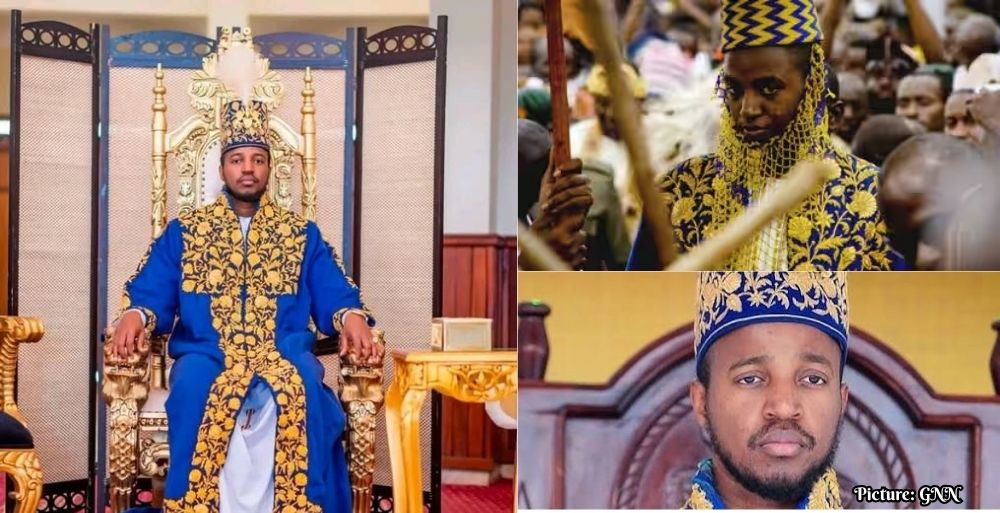
The passing of King Oyo Nyimba Kabamba Iguru Rukidi IV, the world’s youngest reigning traditional monarch, at the age of 34, has left a deep void in the Tooro Kingdom, where he was a revered figure advocating for youth empowerment and cultural preservation.
King Oyo Nyimba Kabamba Iguru Rukidi IV, the youngest reigning traditional monarch globally, has died at the age of 34, as confirmed by Calvin Armstrong Rwomiire Akiiki, Prime Minister of the Tooro Kingdom in western Uganda. His death was announced on Thursday, although the cause has not been officially disclosed. Local media reports suggest he had been critically ill and was undergoing treatment in the United States prior to his passing.
Oyo ascended to the throne of the Tooro Kingdom at a remarkably young age of three following the death of his father, King Patrick Olimi Kaboyo, in 1995. Due to his tender age, a regency was established, led by his mother, the Queen Mother Best Kemigisa, to oversee the kingdom’s affairs until he reached adulthood. He was formally crowned at the age of 18 in 2010, marking his official entry into the responsibilities of kingship.
The Role of Traditional Monarchies in Uganda
While Uganda operates under a republic with an elected president and parliament, traditional kingdoms like Tooro play a crucial role in preserving cultural heritage and community identity. The Tooro Kingdom, one of several traditional institutions in Uganda, follows a hereditary system for selecting its monarch. Following King Oyo’s death, Prime Minister Akiiki reassured the people that the continuity of the crown is secured, as the king is survived by a male heir, whose identity will be made known at an appropriate time in line with the kingdom’s customs.
In his official statement, Akiiki expressed the profound loss felt within the royal family and the wider community. He called for unity and calm among the people of Tooro during this period of mourning, stating, “I call upon all the people of Tooro to remain united, calm and prayerful during this profoundly difficult time. May His Majesty the King rest in eternal peace.” The atmosphere in the kingdom has been described as somber, with government minister Margaret Muhanga observing that “you can’t see anyone smiling” as the community grapples with the loss of its leader.
King Oyo’s Legacy and Contributions
Throughout his reign, King Oyo was known for his commitment to social causes, particularly in the areas of youth empowerment, education, climate conservation, and HIV/AIDS awareness. His proactive approach earned him significant respect among his subjects and beyond. Reports indicate that he was instrumental in various initiatives aimed at uplifting the youth and fostering educational opportunities within the kingdom.
In the wake of his death, condolences have poured in from various organizations and institutions across Uganda. The Buganda Kingdom, the largest traditional kingdom in Uganda, expressed its sorrow and acknowledged King Oyo as a valuable leader within the country. Similarly, the Rwenzururu Kingdom offered their condolences, demonstrating solidarity among Uganda’s traditional leaders during this time of mourning.
The Federation of Uganda Football Associations also honored King Oyo, recognizing him as a “true friend of the beautiful game” and announcing a moment of silence before all football matches until September 4 to commemorate his legacy and contributions to the sport.
Public figures, including prominent musician Juliana Kanyomozi, referred to the day as a “very dark day for Tooro” on social media, reflecting the widespread grief felt within the community. Minister Muhanga proposed an initiative to plant one million trees in honor of the late king, aiming to engage neighboring districts in Tooro in this tribute to his memory.
Reflections from the Community
The reactions to King Oyo’s passing reveal the deep connection he had with his people. Pop star-turned-politician Bobi Wine also expressed his condolences, calling for the king’s soul to rest in eternal peace. The outpouring of grief indicates not only the loss of a monarch but also the loss of a leader who had begun to shape the future of his kingdom.
King Oyo’s reign, though brief, was marked by his dedication to uplifting the community and promoting the cultural heritage of the Tooro Kingdom. His death at such a young age leaves a significant void, prompting reflection among citizens and leaders alike on the impact of his leadership and the future of the monarchy. As the Tooro Kingdom enters a period of mourning, the legacy of King Oyo IV will undoubtedly continue to influence the cultural landscape of Uganda.