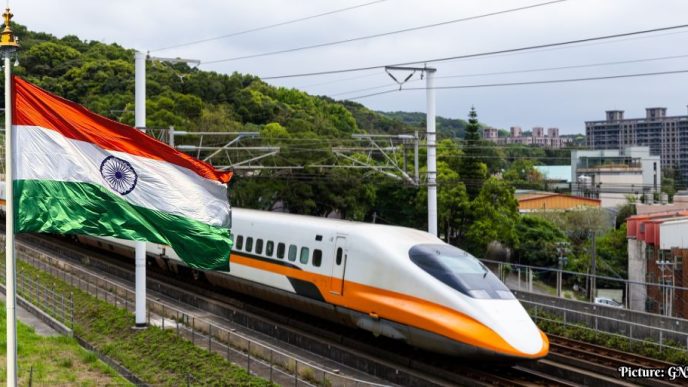
China’s high-speed rail network has surpassed 50,000 kilometers, far exceeding the combined lengths of all other countries, establishing the nation as a dominant force in global rail infrastructure and technology.
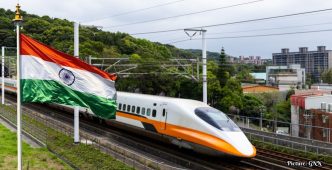
BEIJING, China – As of late 2025, China’s high-speed rail (HSR) network has officially surpassed 50,000 kilometers, positioning it as the largest in the world and exceeding the total length of high-speed rail systems in all other countries combined. This milestone was reported by the China State Railway Group and highlights the tremendous growth and investment in China’s transportation infrastructure over the past two decades.
According to British railway historian Christian Wolmar in his newly released book, Fast Track, the total length of China’s high-speed rail could be as high as 50,400 kilometers, accounting for approximately 70% of the world’s high-speed rail infrastructure. Wolmar, who undertook a week-long journey across the network in May 2025, noted that the system carries an impressive average of 9.36 million passengers per day, with peak times seeing more than 16 million travelers across 9,346 services.
Unprecedented Growth Since 2008
The expansion of China’s high-speed rail system began with the launch of its first line between Beijing and Tianjin during the 2008 Olympics. Since then, the network has grown at an extraordinary pace, averaging eight kilometers of new track added each day. This rapid development has resulted in a rail system that is more than three times the size of the entire railway network in the United Kingdom.
A study conducted by the World Bank on 27 high-speed rail lines in China revealed a weighted average construction cost of approximately CNY129 million (around $17 million) per kilometer for projects designed to accommodate speeds of 350 kilometers per hour and CNY87 million (approximately $12 million) for those intended for 250 kilometers per hour. These figures stand in stark contrast to European costs, which range from $25 million to $39 million per kilometer, and can soar to as high as $56 million per kilometer in regions like California.
Wolmar attributes China’s cost efficiency to various factors, including the use of lighter materials that enhance energy efficiency and reduce noise. He also notes that the construction of fully segregated lines, which are primarily elevated on concrete viaducts, minimizes long-term maintenance needs. While he estimates the actual costs for Chinese HSR projects to be between CNY100 million and CNY200 million per kilometer (approximately $14.8 million to $29.6 million), he emphasizes that precise figures can be difficult to confirm due to various influencing factors.
Technological Innovations and Security Protocols
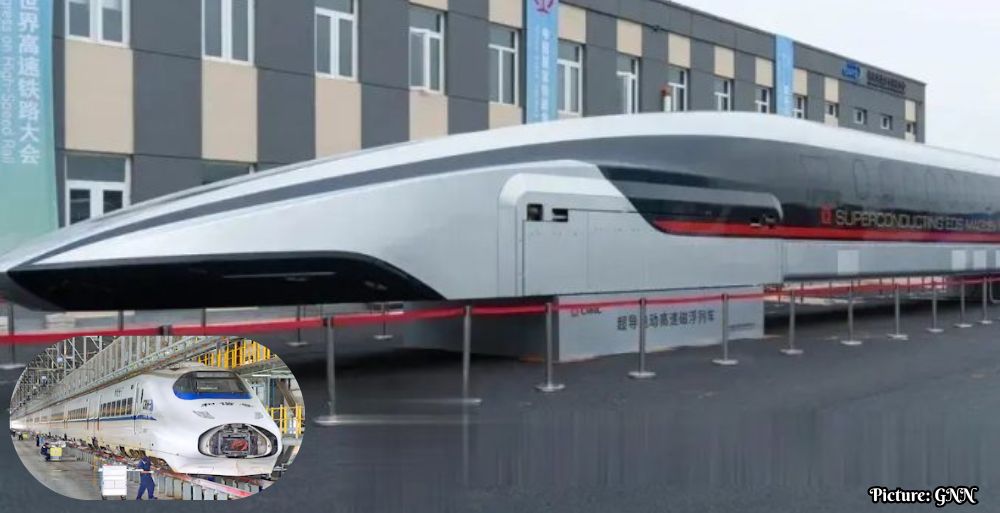
The technological advancements within China’s high-speed rail system are notable. The Fuxing trainsets currently in service can reach speeds of 350 kilometers per hour. Meanwhile, the CRRC Corporation is testing the CR450 model, which aims for commercial speeds of up to 400 kilometers per hour. Prototypes of this model have reportedly achieved speeds of 453 kilometers per hour, with final designs expected to be completed by 2026.
In addition to speed, the system is characterized by robust security measures. Baggage is screened through automated scanners, and passengers can book tickets online, eliminating the need for paper tickets. Notably, individuals listed as judgment defaulters by the Supreme People’s Court are prohibited from purchasing tickets, with reports indicating that in 2018 alone, blacklisted individuals were blocked from buying train tickets approximately 5.5 million times.
Pricing for tickets reflects the system’s accessibility, with a business class seat on the 819-kilometer Beijing-Qingdao route costing around $166, while second-class fares range from CNY320 to CNY380 and first-class between CNY527 and CNY599.
Future Ambitions and Global Implications
The Chinese government has set ambitious goals for the future of its high-speed rail network, aiming to reach a total of 70,000 kilometers by 2035. Wolmar suggests that this ambitious expansion is made feasible by China’s political structure, which enables swift capital mobilization, land acquisition, and resource allocation for major infrastructure projects—efforts that are often hampered in Western democracies.
The implications of China’s high-speed rail dominance extend beyond its borders, influencing global transportation dynamics. The recent decision by the European Commission to block the merger between Siemens’ rail division and Alstom, which had received backing from France and Germany, illustrates the competitive pressures facing European rail manufacturers. Competition Commissioner Margrethe Vestager expressed concerns that the merger would lead to increased prices for signaling systems and next-generation high-speed trains.
The Commission noted that no Chinese supplier had ever bid for a European signaling contract, nor delivered a high-speed train outside China, indicating a lack of competitive threat from Chinese firms in the European market. In response to the Commission’s ruling, then-French finance minister Bruno Le Maire labeled the decision an economic mistake, arguing that the relevant market for competition analysis should be global rather than confined to Europe.
Wolmar echoes this sentiment, advocating for a reevaluation of the West’s approach to industrial competition. He posits that Europe must consider a more coordinated industrial strategy to effectively counter China’s significant advancements in rail technology and infrastructure development, emphasizing the need for collaboration over competition in a rapidly evolving global market.