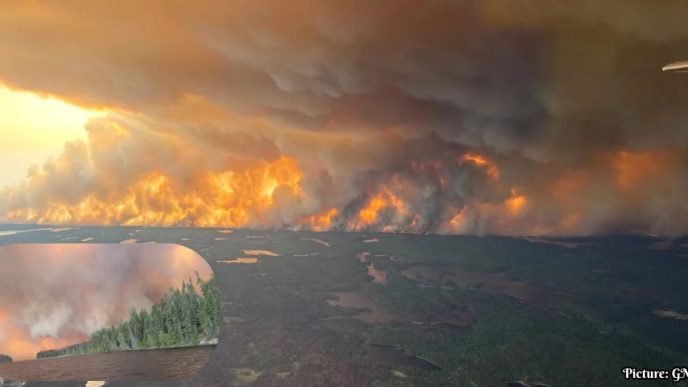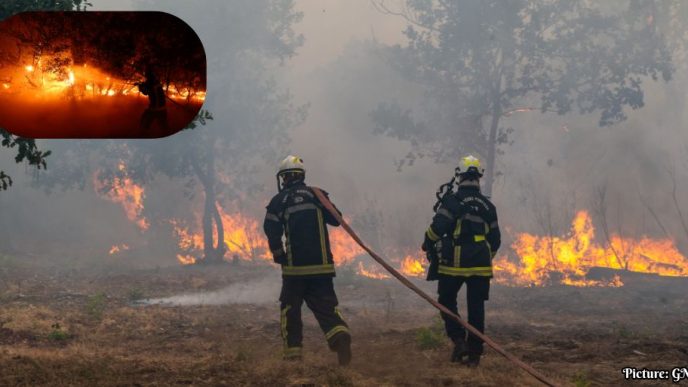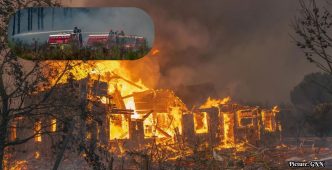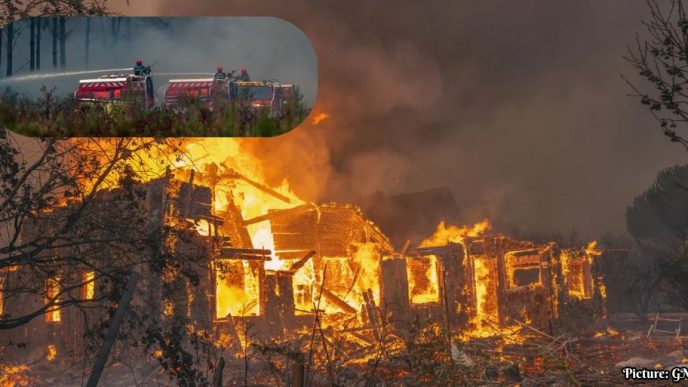
Over 830 wildfires are burning in Canada, prompting mandatory evacuations and leading to unhealthy air quality across the U.S., particularly in the Midwest and Northeast, as a heat wave intensifies.
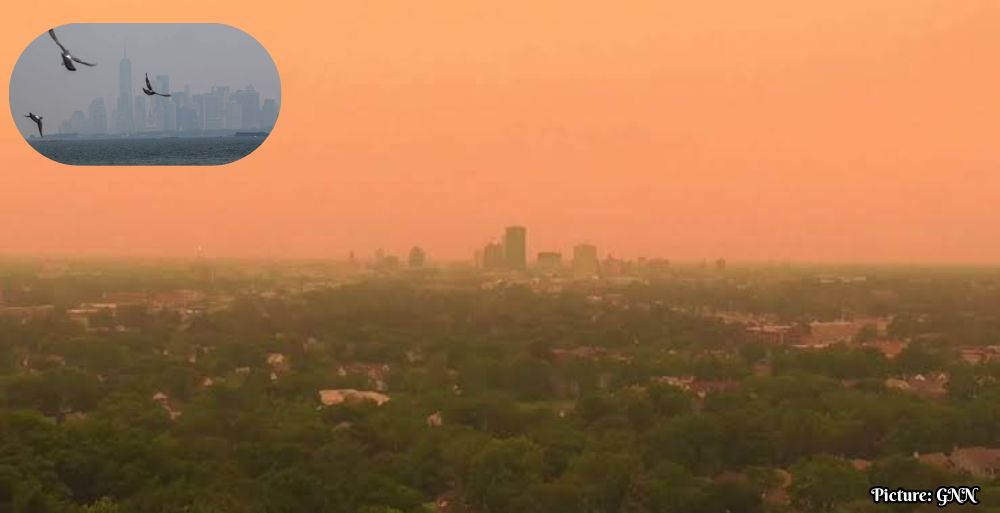
As of Wednesday, July 15, 2026, more than 830 wildfires are actively burning throughout Canada, with considerable concentrations in west-central Ontario. These wildfires, along with a number of fires in northern Minnesota, have triggered mandatory evacuations and are significantly impacting air quality across the United States. Smoke from these fires is being funneled southward, affecting millions and prompting health advisories from local officials.
Impact on Air Quality in Major Urban Areas
On Wednesday afternoon, air quality levels in New York City and regions surrounding Eastern Lake Ontario, Central New York, and parts of Western New York reached unhealthy thresholds, as indicated by data from the air monitoring site AirNow. New York City Mayor Zohran Mamdani stated, “Air quality has reached unhealthy levels in parts of NYC due to smoke from Canadian wildfires. Poor air quality affects everyone, but some people are more sensitive to it than others, including people with heart or lung conditions, older adults, pregnant New Yorkers, and infants and children.” In response to the deteriorating conditions, the city is distributing free masks to residents and advising them to limit outdoor activities.
Heat Wave Compounds Air Quality Deterioration
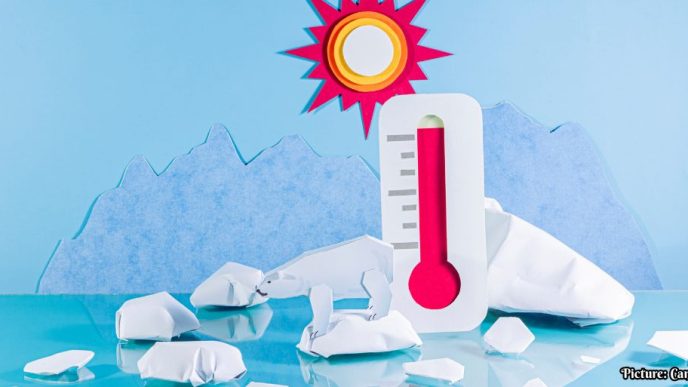
The smoke from the Canadian wildfires coincides with a severe heat wave engulfing much of the East Coast. Forecasts predict temperatures soaring into the high 90s to triple digits in many areas, which exacerbates the health risks associated with poor air quality. Specifically, New York City may experience temperatures approaching 100 degrees Fahrenheit, with heat indices making it feel even hotter. The National Weather Service has issued air quality alerts from Minnesota to New York City, encompassing entire states such as Wisconsin and Michigan.
Heavy smoke conditions were reported in Duluth, Minnesota, and Marquette, Michigan, on Wednesday morning, with projections indicating that smoky conditions could extend from Buffalo, New York, to New York City and Philadelphia by sunset. While conditions are expected to worsen throughout the day, rain is anticipated on Friday for the upper Midwest and on Saturday for the Northeast, which could help mitigate some of the smoke.
Health Implications and Regional Air Quality Alerts
The air quality alerts are alarming not only for individuals with preexisting health conditions but also for the general population. Health officials have warned that smoke can pose risks for everyone, particularly in regions where air quality is already compromised. Cleveland, Columbus, Baltimore, and Washington, D.C., are also expected to experience significant smoke coverage on Thursday.
Historically, this is not the first instance of Canadian wildfires adversely affecting air quality in the United States. Similar events occurred in June 2023, when smoke from Canadian wildfires led to dramatic changes in sky color and air quality across many parts of the Northeast. However, meteorological experts suggest that conditions this time are unlikely to reach the severity experienced last summer.
Persistent Weather Challenges Across the U.S.
In addition to air quality concerns, many regions are grappling with extreme heat. The National Weather Service is currently monitoring multiple heat warnings across various states, particularly in the Northeast, where high humidity is expected to exacerbate the heat. Heat indices are forecasted to reach 104 degrees in New York City, 105 in Washington, D.C., and up to 107 in Philadelphia.
This ongoing heatwave is marking one of the hottest days of the summer for the Northeast, with forecasts indicating a potential cooldown in the following days. Minneapolis is currently under an extreme heat warning, with temperatures expected to hover near 100 degrees through Thursday.
Severe Weather Elsewhere in the Country
Meanwhile, the situation in Texas has taken a different turn, with severe flash flooding reported in the Hill Country region. Witnesses have reported a tornado touching down near San Antonio on Wednesday morning, contributing to the already precarious weather conditions. The region has experienced rainfall totals ranging from 6 to 16 inches this week, with additional precipitation predicted. The flooding threat has been rated at a rare 4 out of 4 level in certain areas, with some locations expecting up to 20 inches of rain.
As the nation faces these multifaceted weather-related challenges, officials continue to emphasize the need for vigilance and preparedness among residents—particularly those in areas affected by wildfire smoke and extreme heat. Public health officials recommend that individuals take precautions to protect themselves, including staying indoors, using air conditioning, and utilizing masks when necessary to minimize smoke inhalation.
Future Implications and Preparedness
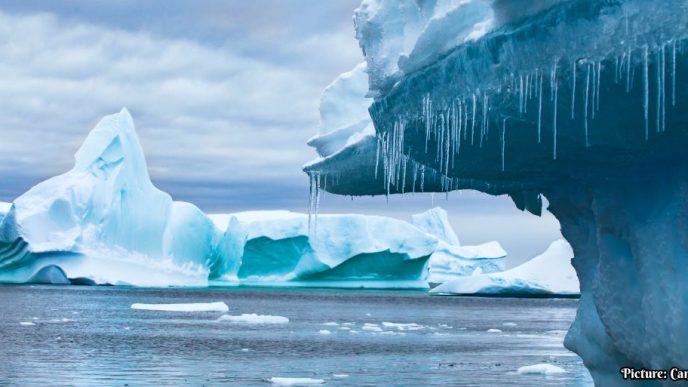
The current wildfire situation highlights broader concerns about climate change and the increasing frequency and intensity of wildfires across North America. Experts warn that as climate conditions continue to evolve, the likelihood of such destructive fires and their subsequent impact on air quality and public health may grow. In light of these trends, local and federal governments are being urged to enhance preparedness strategies, improve emergency response systems, and invest in long-term solutions to mitigate the risks associated with future wildfires.
As the conditions evolve, residents are encouraged to stay informed through reliable sources and to heed any advisories issued by local authorities regarding air quality and weather conditions.