Argentina secured a place in the World Cup final for the second consecutive tournament, defeating England 2-1 in a thrilling semifinal match, with both goals scored in the final minutes.
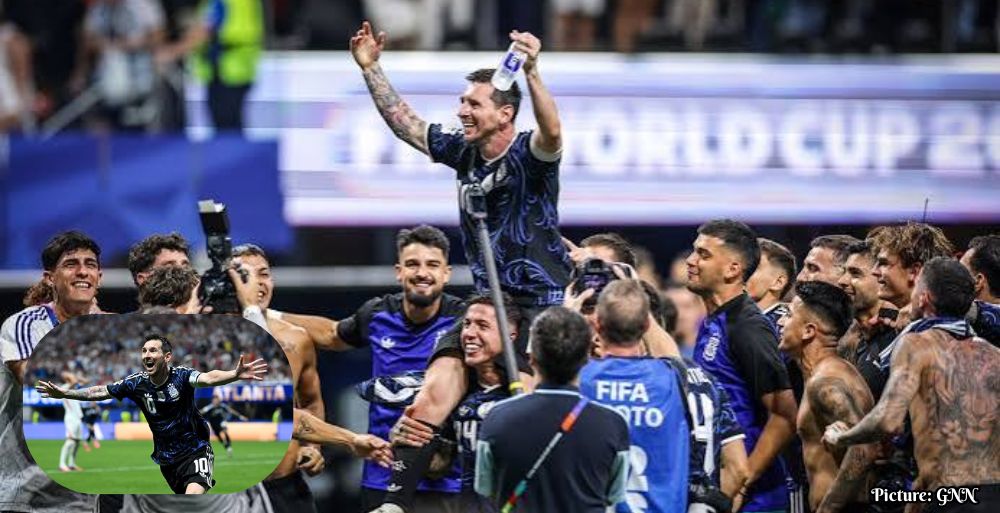
ATLANTA — In a dramatic semifinal match on Wednesday, Argentina triumphed over England with a 2-1 comeback victory, propelling them to their second consecutive World Cup final. The match, held at Mercedes-Benz Stadium, saw Argentina score two late goals, first equalizing with an Enzo Fernández header in the 85th minute, followed by a Lautaro Martínez header in stoppage time, both assisted by Lionel Messi.
The initial phases of the game were marked by a lack of offensive action, with neither team recording a shot on goal in the first half. This was a historic occurrence, being the first time since the 1966 World Cup — the first to be televised live — that both teams went shotless for the first 30 minutes. The first half concluded with a combined 19 fouls and no shots on target, reflecting a highly physical contest.
First Half: A Battle of Attrition
England broke the deadlock in the 55th minute when Anthony Gordon volleyed home a goal from a long cross by Morgan Rogers, giving England a 1-0 lead. However, after taking the lead, England adopted a more defensive posture, which allowed Argentina to gain momentum. England’s strategy involved substituting in more defensive-minded players, which led to a significant decrease in their attacking output.
Despite controlling the match for much of the second half, England’s attacking presence diminished after their goal. They managed only five shots throughout the match, with only two on target and a mere 36% possession. Star players Harry Kane and Jude Bellingham, who had previously combined for 12 goals in the tournament, were largely ineffective, managing only one shot collectively.
Argentina’s Late Surge
Argentina’s resilience paid off as they rallied in the closing minutes. On the equalizing goal in the 85th minute, Enzo Fernández connected with a header from a Messi cross that caught the English defense off guard. Just minutes later, in stoppage time, Lautaro Martínez capitalized on a rebound following an Alexis Mac Allister shot that hit the post, again converting a cross from Messi to secure the victory for Argentina.
For Argentina, the win not only secures a spot in the final against Spain on Sunday but also positions them to potentially defend their World Cup title, a feat not achieved since Brazil’s back-to-back wins in 1958 and 1962. Argentina’s last World Cup victory came in 2022, and they are aiming to become the first team since Brazil to win consecutive titles.
Reaction from England
Despite the loss, England manager Thomas Tuchel expressed no regrets about his team’s performance, stating, “In the moment, no regrets. The team gave everything, and we were very, very close.” He emphasized that the match was one of their best, highlighting the team’s toughness despite falling short.
Harry Kane echoed his manager’s sentiments, remarking that the team was “close” to success but recognized the need to find “that missing piece in the final stage of the tournament.” He noted the emotional toll of the tournament, stating, “These tournaments take it out of you so much. Effort and pressure and mentality… we’re just missing that final piece.”
Historical Context and Implications
The match also reignited historical tensions between England and Argentina, a rivalry marked by memorable moments, including the controversial “Hand of God” goal by Diego Maradona in 1986 and the Falklands War in the early 1980s. Both nations have a storied history in football, and this match adds another chapter to their intense rivalry.
As Argentina prepares for the final against Spain, the team’s performance in this match adds to its reputation as a formidable opponent. Messi, who did not score but played a crucial role in both goals, continues to be a pivotal figure for Argentina as they seek to further solidify their legacy in World Cup history.
England’s future in the World Cup remains uncertain as they have not reached the final since their victory in 1966. The loss, coming after a semifinal exit in 2018 and a quarterfinal finish in 2022, raises questions about the team’s progression under Tuchel’s management and their ability to seize future opportunities.
As both teams reflect on their journeys in this tournament, the focus now shifts to the final, where Argentina will aim to defend their title against Spain, while England will seek to regroup and build toward future competitions.