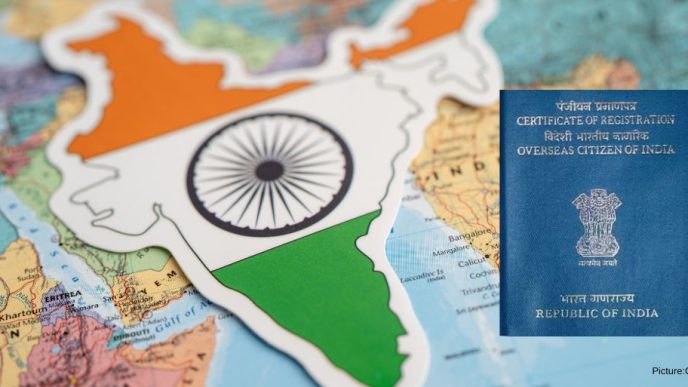
The fully digital e-OCI Card eliminates the need to reissue OCI booklets after a new passport is issued and enables real-time digital verification for smoother travel. — Ministry of Home Affairs
Union Home Minister and Minister of Cooperation Amit Shah on Tuesday, June 30, 2026, launched the Electronic Overseas Citizen of India (e-OCI) Card, introducing a fully digital system designed to simplify services for more than 5 million Overseas Citizen of India (OCI) cardholders worldwide.
The initiative was unveiled alongside the launch of the FCRA 2.0 Portal during an event hosted by the Ministry of Home Affairs.
Shah said the new digital OCI system resolves several long-standing issues faced by OCI cardholders while making the entire application and verification process more convenient.
“The initial problems faced in the OCI system have been resolved in this new system, and it will bring great convenience to more than 50 lakh OCI cardholders,” Shah said.
Under the new system, applicants will be able to complete the entire OCI process online, including submitting applications, uploading supporting documents, and downloading their digital OCI card after approval.
Existing OCI cardholders will also be able to obtain their e-OCI cards digitally in most cases without submitting fresh applications or undergoing physical verification.
One of the most significant changes eliminates the requirement for cardholders to obtain a new OCI booklet after receiving a new passport once they are over the age of 20. Instead, they will only need to update their passport details online while retaining the same unique OCI registration number.
The ministry said the digital system also eliminates concerns about losing or damaging physical OCI documents while enabling real-time digital verification during immigration procedures.
Officials said the e-OCI platform will provide applicants with easier access through mobile devices, faster digital processing, and smoother international travel through integration with immigration systems for real-time verification at airports.
For the government, the fully digital platform is expected to reduce paperwork, lower administrative costs, improve centralized data management, strengthen identity verification, and reduce the risk of fraud.
According to the Ministry of Home Affairs, the launch of the e-OCI Card represents another step in expanding digital governance and improving public service delivery through technology-enabled citizen services.