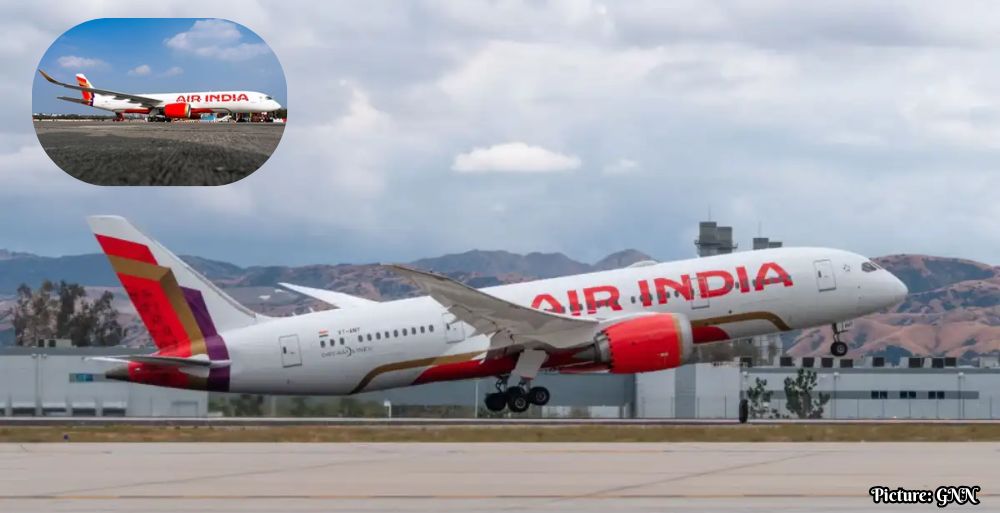
In light of persistent financial difficulties, Air India Ltd. is set to defer aircraft deliveries, reduce flight operations, and postpone expansion plans, following directives from its majority owner, Tata Group, aimed at addressing the airline’s record losses.
Air India Ltd., the national airline of India, is undertaking significant operational changes in response to ongoing financial struggles that have plagued the carrier for years. Following the acquisition of a majority stake by Tata Group in January 2022, the conglomerate has directed that the airline prioritize reducing its substantial losses, which have reached alarming levels.
Operational Changes Driven by Financial Imperatives
According to sources familiar with the situation, Air India is considering deferring the delivery of new aircraft, cutting back on scheduled flights, and postponing its previously ambitious expansion plans. These adjustments represent a strategic pivot aimed at stabilizing the airline’s precarious financial condition, which has been exacerbated by a combination of factors including the long-lasting impacts of the COVID-19 pandemic, rising fuel prices, and heightened competition in the Indian aviation market.
Air India’s financial instability is not a new development. The airline has faced challenges for years, but the pandemic has intensified its vulnerabilities. Recent financial disclosures indicate that for the fiscal year ending March 2023, Air India incurred losses exceeding $1 billion, highlighting the critical need for a comprehensive reassessment of its operations and business model.
Tata Group’s Role in the Restructuring Efforts
The acquisition of Air India by Tata Group was seen as a potential turning point for both the airline and the conglomerate, renowned for its diverse business interests across various industries. Tata Group has expressed a strong commitment to revitalizing Air India, aiming to restore its former prominence in the aviation sector. However, the challenges posed by the current aviation landscape have proven formidable. The post-pandemic recovery in air travel has shown irregular patterns, with demand fluctuating significantly across different market segments, complicating the airline’s recovery efforts.
The directives from Tata Group for Air India to implement stringent cost-cutting measures reflect a strategic necessity aimed at ensuring the airline’s long-term viability. This focus on financial prudence is particularly crucial given the competitive environment, where low-cost carriers and other airlines are aggressively vying for market share. Increasing operational costs, driven by rising fuel prices and maintenance expenses, further complicate the airline’s profitability challenges.
Market Dynamics and Future Prospects
The landscape of the Indian aviation market has shifted dramatically in recent years, with numerous airlines competing for dominance. As of 2023, the recovery of India’s domestic air traffic has reached approximately 90% of pre-pandemic levels, yet the competition remains intense. The variability in travel demand coupled with rising operational costs presents a multifaceted challenge for Air India as it seeks to navigate a pathway to recovery.
Industry analysts have noted that Air India’s decision to defer aircraft deliveries could have significant long-term consequences for its competitive standing. Updating its fleet is essential for enhancing operational efficiency and improving customer service. However, the immediate priority for Air India remains the stabilization of its financial health, necessitating a careful balancing act between short-term financial imperatives and long-term growth strategies.
Additionally, the airline’s plan to reduce flight schedules may adversely impact its market share in the short term. Cutting back on flight frequency could lead to diminished visibility and customer loyalty, particularly as rival carriers take advantage of the opportunity to attract former Air India passengers. The successful management of this strategic retreat is vital to avoid further erosion of the airline’s customer base.
Looking Ahead: Challenges and Opportunities
As Air India embarks on this strategy of downsizing and revisiting its operational framework, the focus will undoubtedly remain on curtailing losses and establishing a more sustainable business model. The effectiveness of these initiatives will be closely monitored by stakeholders within the aviation sector, as Air India’s performance may serve as a bellwether for the wider recovery of the aviation industry in India.
The challenges faced by Air India are indicative of broader trends within the aviation sector, where numerous airlines globally are grappling with similar financial pressures in the post-pandemic landscape. The actions taken by Tata Group and Air India in the coming months will be critical in determining not only the future of one of India’s most iconic airlines but also the potential for recovery within the broader aviation industry.
In conclusion, the path forward for Air India will require a judicious mix of strategic decision-making, operational efficiency, and market responsiveness. The implications of Tata Group’s directive will unfold in the months ahead, as the airline seeks to reinvent itself amidst a rapidly evolving market environment, with the potential for both challenges and opportunities that could shape its future trajectory.