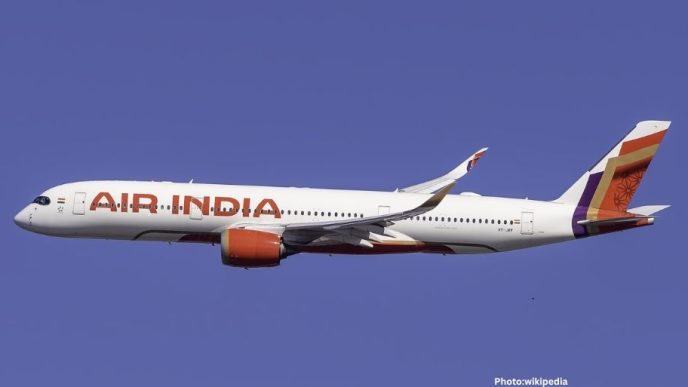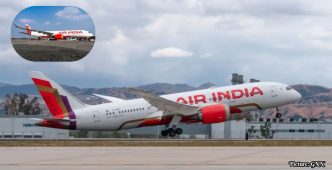
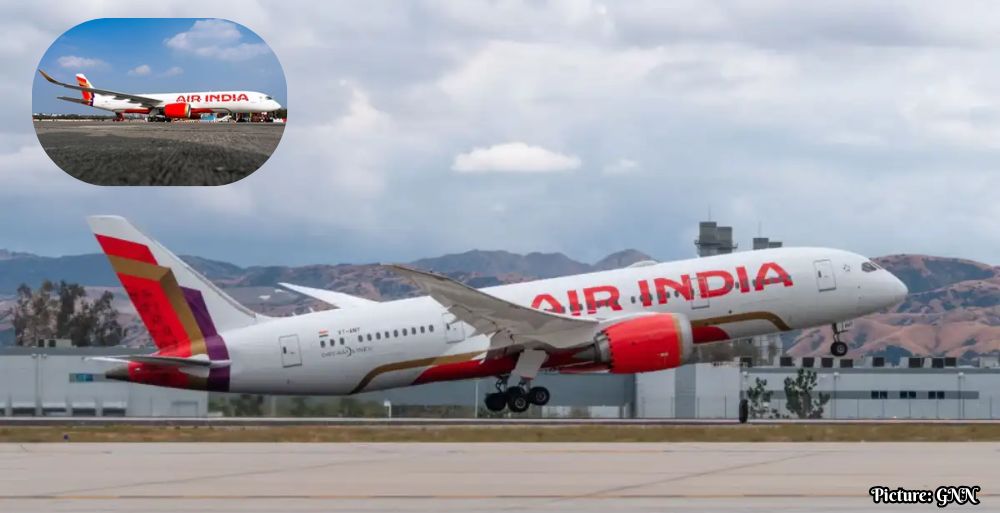
Air India has deployed its newly delivered Boeing 787-9 Dreamliner on the Mumbai to London Heathrow route, introducing a Premium Economy class and upgraded cabin features as part of its fleet modernization strategy.
DELHI – Air India (AI) has significantly upgraded its international service offerings by introducing the Boeing 787-9 Dreamliner on flights between Mumbai (BOM) and London Heathrow (LHR). This aircraft commenced commercial operations on July 1, 2023, as part of the airline’s ongoing initiative to modernize its fleet and improve the passenger experience across its international routes.
Introduction of Premium Economy Class
The deployment of the new aircraft marks the first time Air India has offered Premium Economy on the Mumbai-Heathrow route. This new class aims to provide an enhanced travel experience for passengers who desire more comfort than Economy class but do not wish to pay for Business class. The introduction of this option reflects Air India’s strategy to cater to a diverse range of travelers, accommodating varying budgets and preferences.
The Boeing 787-9 has a three-class configuration, comprising 30 Business Class suites, 28 Premium Economy seats, and 238 Economy seats. The Premium Economy section is designed with a spacious 2-3-2 layout, offering a generous 38-inch seat pitch, adjustable leg rests, and larger recline options. Each seat is equipped with a 13.3-inch 4K entertainment display, providing a comfortable and enjoyable travel experience.
Modern Cabin Features and Amenities
One of the standout features of the newly delivered Boeing 787-9 is that it is the first Dreamliner specifically constructed for Air India, incorporating the airline’s latest cabin design from the outset. This differs from previous aircraft that required retrofitting, ensuring that Air India can deliver a consistently premium product from the moment the aircraft enters service.
In Business Class, passengers enjoy private suites with direct aisle access, fully flat beds extending 79 inches, and amenities such as wireless charging capabilities, personal storage, and 17-inch 4K entertainment screens. Economy Class has also received updates, including ergonomically designed seats, integrated personal device holders, and 11.6-inch 4K entertainment screens. Throughout all cabins, passengers benefit from Bluetooth audio connectivity, USB-A and USB-C charging ports, as well as AC power outlets. The Thales AVANT Up inflight entertainment platform offers travelers access to over 3,000 hours of content.
Enhanced Onboard Services and Dining
Beyond the physical upgrades, Air India has improved its onboard service experience. The airline has refreshed its menu offerings, which now feature a diverse selection of Indian and international cuisine, upgraded tableware, premium bedding, and new amenity kits. To enhance the overall ambiance, the aircraft is equipped with mood lighting inspired by Indian wellness traditions, creating a sophisticated atmosphere aimed at delivering a more refined long-haul travel experience. This initiative is part of a broader transformation program that Air India is undertaking to modernize its fleet and service standards across major international markets.
The Strategic Importance of the UK Market
The United Kingdom represents a vital market for Air India, driven by robust business traffic, a significant demand for leisure travel, and a large Indian diaspora. Currently, the airline operates 57 weekly nonstop flights connecting major Indian cities such as Delhi, Mumbai, Bengaluru, Ahmedabad, and Amritsar with London Heathrow, London Gatwick, and Birmingham. These services not only enhance connectivity between India and the UK but also provide convenient onward connections to various destinations across the Indian Subcontinent, Southeast Asia, and Australia through Air India’s extensive domestic and international hub network.
As more new-generation aircraft are integrated into its fleet, Air India is expected to continue expanding its upgraded onboard products across additional long-haul routes. The deployment of the Boeing 787-9 Dreamliner on the Mumbai to London route exemplifies the airline’s commitment to enhancing passenger experience and modernizing its fleet, positioning itself competitively in the international aviation market.
Future Developments and Implications
The introduction of the Boeing 787-9 is a crucial step in Air India’s broader strategy to revitalize its brand and service offerings amidst an increasingly competitive aviation landscape. As airlines globally focus on improving passenger experience and operational efficiency, Air India’s fleet modernization is likely to attract both business and leisure travelers seeking a premium travel experience.
Furthermore, with the aviation sector recovering from the impacts of the COVID-19 pandemic, Air India’s enhancements come at a strategic time when demand for international travel is surging. The airline’s ability to provide improved services and a wider range of seating options positions it favorably against competitors in the long-haul market. As the airline continues to roll out improvements and expand its fleet, it will be essential for Air India to maintain its focus on customer satisfaction and operational reliability to solidify its reputation as a leading carrier in the international arena.