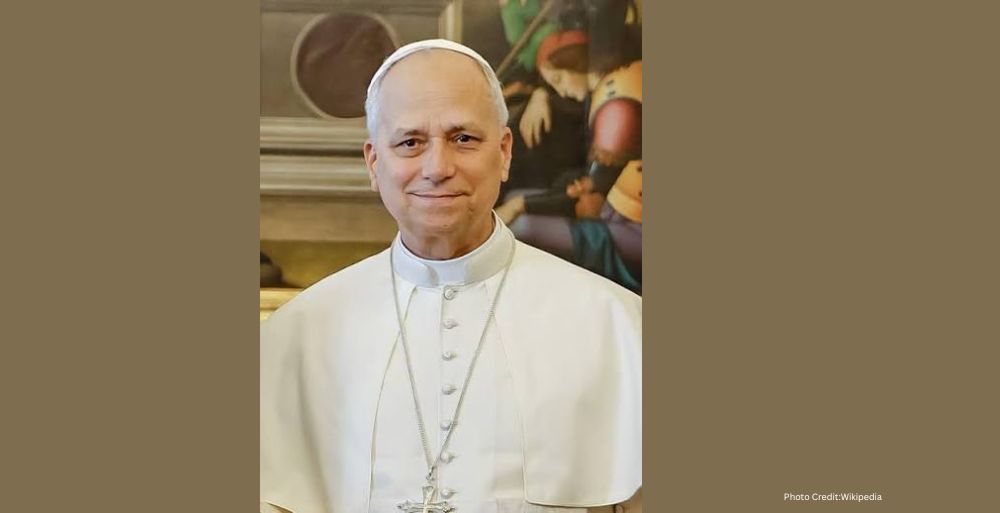
Pope Leo XIV expressed deep concern over the lack of agreement at the recent UN climate talks, emphasizing the need for urgent and transformative action to address the escalating climate crisis.
VATICAN CITY — In an address delivered during his weekly audience on Wednesday, Pope Leo XIV articulated his profound disappointment regarding the outcome of the recent United Nations climate talks, which ended without a consensus on pivotal issues. The talks, held in Antalya, Turkey, concluded on Sunday amid ongoing disputes over the role of fossil fuels in climate change mitigation strategies. The Pope highlighted that “extreme environmental events linked to the climate crisis are becoming increasingly frequent,” signaling an urgent call to action.
Pope Leo XIV’s advocacy for environmental protection aligns closely with the teachings of his predecessor, Pope Francis. In the 2015 encyclical Laudato Si (Praised Be), Pope Francis framed environmental stewardship as a pressing moral obligation, urging humanity to recognize the profound spiritual dimensions of ecological issues. Leo’s statements continue this tradition, reinforcing the Catholic Church’s commitment to addressing environmental degradation as a fundamental moral and ethical challenge.
The Human Face of the Climate Crisis
During his address, the Pope emphasized the need to “never forget the human face of the climate crisis,” as millions around the world suffer the consequences of environmental degradation. He called for “fundamental changes in behavior, socioeconomic systems, and the governance of our societies,” appealing to both the international community and individual citizens to take immediate action. This emphasis on human impact reflects a growing understanding among global leaders that climate change is not merely a technical issue, but one that deeply affects human lives and livelihoods.
The Pope’s remarks resonate in a context where climate-related disasters, such as wildfires, floods, and hurricanes, have become increasingly prevalent. According to the Intergovernmental Panel on Climate Change (IPCC), the frequency and intensity of extreme weather events have surged over the past few decades, underscoring the urgency for comprehensive climate action. In his address, Leo XIV underscored that these disasters not only threaten the environment but also undermine the prospects for future generations, thus placing ethical and moral responsibilities on current leaders.
Justice for Environmental Defenders
In conjunction with his remarks on climate change, Pope Leo XIV recently visited Peru, where he highlighted the critical need for justice for environmental defenders who have lost their lives while protecting the Amazon rainforest. His emphasis on the dangers faced by these individuals draws attention to the broader implications of environmental policy and the risks associated with advocating for ecological preservation. In a world where environmental activism can have deadly consequences, the Pope’s call for justice serves as a reminder of the human cost of climate inaction.
Cardinal Pietro Parolin, the Vatican’s Secretary of State, echoed the Pope’s sentiments in his remarks at the 31st Conference of the Parties (COP31). He reiterated the importance of remembering the “human face of the climate crisis,” stressing that discussions surrounding climate change reach beyond technical negotiations to touch upon the lives and communities affected globally. Parolin’s comments underscore the need for a holistic approach to climate policy that prioritizes human welfare alongside environmental concerns.
Challenges and Implications from COP31
The recent UN climate talks faced significant challenges, ultimately concluding without a comprehensive agreement. Central to the disputes were debates over the explicit mention of fossil fuels, with some delegations advocating for a commitment to phase out fossil fuel usage, while others resisted such measures. This division reflects broader geopolitical tensions and differing national interests in addressing climate change, revealing the complexities involved in reaching consensus on global climate policy.
As negotiations stalled, frustration mounted among advocates and global leaders who have emphasized the need for urgent and decisive action. The Pope’s statements following the talks underscore a moral imperative for leaders to transcend political divides and implement effective solutions to combat climate change. His call for transformation resonates particularly with climate activists and organizations advocating for systemic changes across various sectors to address the root causes of environmental degradation.
The Vatican’s stance on climate action serves as a rallying point for those advocating for environmental justice and sustainability, reinforcing the idea that climate negotiations must prioritize the interconnectedness of humanity and the planet. As world leaders prepare for upcoming discussions, the message from the Vatican remains clear: the time for action is now. The protection of the planet and its inhabitants must take precedence in international policy agendas, with a focus on both immediate and long-term solutions.
In conclusion, Pope Leo XIV’s urgent call for action following the latest UN climate talks encapsulates the growing recognition of climate change as a pressing moral and ethical crisis. The Pope’s emphasis on the human dimension of the climate crisis serves as a crucial reminder that the impacts of climate change are not experienced equally and that addressing environmental issues requires a commitment to justice, equity, and compassion. As the world continues to grapple with the realities of climate change, the Pope’s message calls for a collective, transformative approach to ensure a sustainable future for all.