
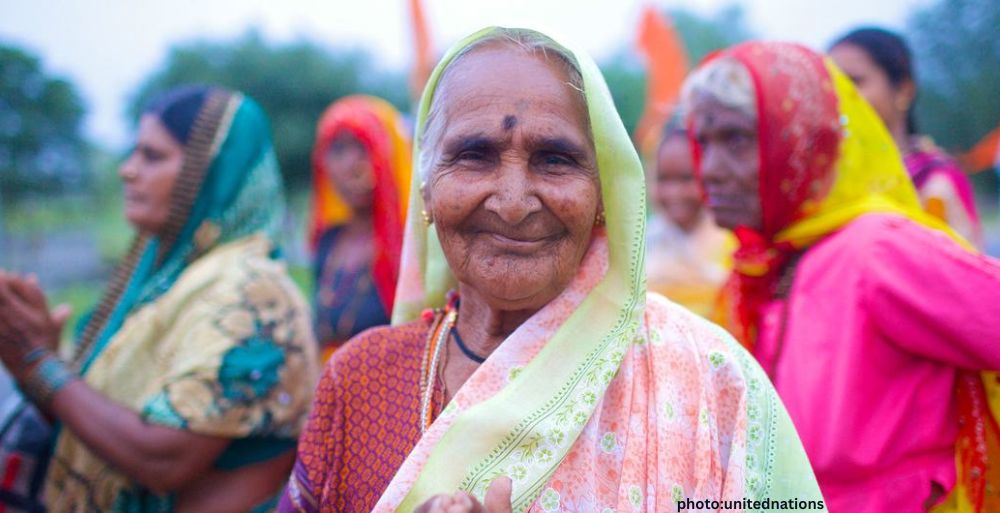
Global life expectancy rebounded to 73.3 years in 2023, nearly recovering to pre-pandemic baselines according to the latest Global Health Estimates published by the World Health Organization. While overall longevity continues its long-term upward trajectory, healthy life expectancy continues to lag, standing at 62.8 years. The comprehensive dataset highlights a historic, worldwide epidemiological transition: for the first time in recorded public health history, communicable, maternal, and nutritional diseases accounted for less than half of all fatalities in low-income nations. However, public health systems face accelerating pressure from noncommunicable conditions, led by cardiovascular disease, a tripling of global dementia mortality, rising diabetes risks across Asia, and a sharp increase in mental health disability rates.
GENEVA — Global life expectancy reached 73.3 years in 2023, coming within a fraction of the 73.4 years recorded in 2019, according to the latest Global Health Estimates released by the World Health Organization (WHO).
The findings, which track mortality, disease burden, and disability dynamics across 194 member states from 2000 through 2023, demonstrate a resilient recovery in human longevity following unprecedented global health disruptions. However, the report highlights a growing gap between total lifespan and “healthy life expectancy” (HALE)—the average number of years an individual lives free from major chronic illness or disability.
While total longevity has nearly returned to its historical high, healthy life expectancy stood at 62.8 years in 2023. This metric remains 0.4 years below the pre-pandemic benchmark established in 2019, reflecting persistent chronic disease burdens, long-term disability, and structural healthcare gaps.
The Epidemiological Shift: A Historical Milestone for Developing Nations
The 2023 WHO dataset documents a fundamental inflection point in global public health: the epidemiological transition from infectious, communicable pathogens to chronic, noncommunicable diseases (NCDs) in developing economies.
In 2023, for the first time in recorded history, communicable diseases—including respiratory infections, diarrheal illnesses, malaria, and tuberculosis—accounted for less than 50 percent of all fatalities in low-income countries. Two decades ago, infectious illnesses accounted for the vast majority of deaths across these regions.
On a global scale, noncommunicable conditions caused 74 percent of all recorded deaths in 2023, up substantially from 58 percent in the year 2000. Eight of the world’s ten leading causes of death are now noncommunicable conditions, driven by population aging, urbanization, dietary changes, and sedentary lifestyles.
Addressing reporters during a briefing at the UN health agency’s headquarters in Geneva, Dr. Alain Labrique, Director of the WHO Department of Data, Digital Health, Analytics and AI, emphasized both the achievement and the mounting structural challenge facing sovereign health ministries.
“Living longer is one of the great achievements of public health,” Dr. Labrique remarked, speaking before an international delegation of epidemiologists and policy specialists. “The next challenge is to ensure that those additional years are lived in good health, while health systems are equipped to respond to the changing needs of populations.”
Cardiovascular Dominance and the Surge in Chronic Neurological Conditions
Cardiovascular diseases remain the leading cause of mortality and disability worldwide. Ischaemic heart disease alone claimed approximately 9.5 million lives in 2023, resulting in the cumulative loss of 210 million years of healthy life (Disability-Adjusted Life Years, or DALYs).
While high-income countries in North America and Western Europe have achieved substantial reductions in cardiovascular mortality through preventative care, smoking cessation campaigns, and advanced clinical interventions since 2000, individual risk metrics increased across the Western Pacific and Southeast Asia regions. Public health officials attribute these regional increases to rapid industrialization, changing dietary habits, high rates of tobacco consumption, and unequal access to primary healthcare infrastructure.
Concurrently, neurodegenerative and metabolic conditions have advanced rapidly up the global mortality rankings:
- Dementia and Alzheimer’s Disease: Dementia rose from the world’s 19th leading cause of death in 2000 to the 5th leading cause in 2023. Total fatalities attributed to dementia more than tripled over the 23-year evaluation period, driven largely by expanding aging populations in both developed and middle-income nations.
- Diabetes Mellitus: Individual mortality risk and disease burden from diabetes increased sharply, with the most severe clinical escalation recorded across South-East Asia, where genetic susceptibility, rapid urbanization, and dietary shifts have created a public health crisis.
- Mental Health Disorders: Between 2019 and 2023, the age-standardized rate of healthy life lost to depressive disorders grew by approximately 20 percent globally, while healthy years lost to anxiety disorders surged by nearly 45 percent.
- Substance Use Disorders: Geographic divergence in drug use disorders widened significantly. The WHO Region of the Americas recorded the world’s highest increases in premature mortality and healthy life lost due to substance abuse between 2000 and 2023. Conversely, the Western Pacific region recorded notable declines over the same period.
Data-Driven Public Policy and Healthcare Infrastructure
The 2023 Global Health Estimates compile data from national civil registration and vital statistics (CRVS) systems, hospital census records, mortality registries, and specialized surveillance programs operated by UN partner agencies, including UNICEF and the United Nations Population Division.
Health policy analysts note that the rapid rise of NCDs poses a severe financial threat to healthcare systems in low- and middle-income countries. Unlike acute infectious diseases, which often require short-term medical interventions, chronic conditions like cardiovascular disease, diabetes, and dementia require decades of continuous medical care, specialized pharmaceuticals, and long-term care management.
Highlighting the practical application of the dataset for national health ministries, Dr. Labrique noted that accurate health metrics are essential for effective governance and resource allocation.
“The value of these estimates is not only in the numbers themselves,” Dr. Labrique said in his closing statement. “By showing how causes of death and disease burden are changing over time and across populations, they give countries evidence to help shape health policies and priorities.”
As member states review the WHO findings, public health organizations are calling for increased international investment in noncommunicable disease prevention, mental health integration, and primary healthcare infrastructure to ensure that gains in global life expectancy translate into healthier, more productive years for populations worldwide.