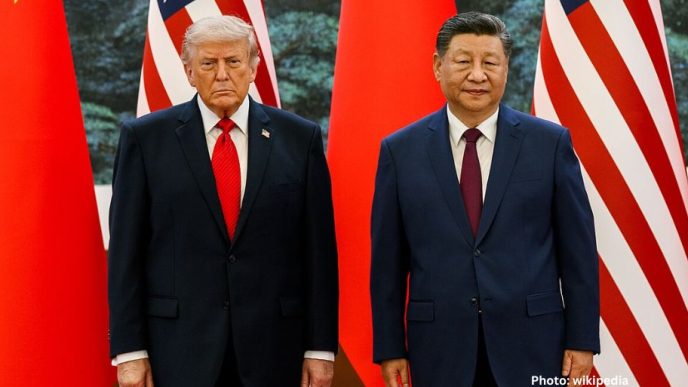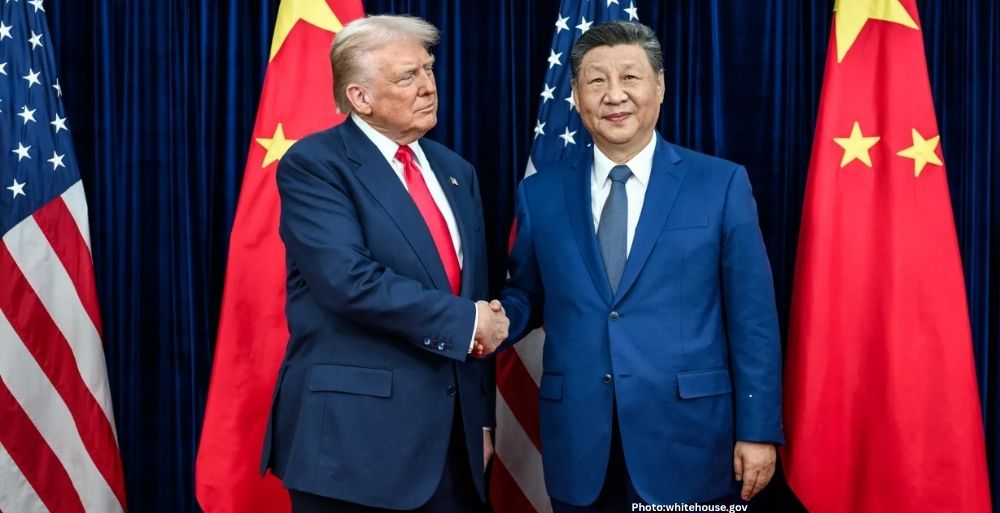
Chinese President Xi Jinping’s recent visit to Washington showcased ornate diplomatic gestures but yielded minimal advancements on critical bilateral issues.
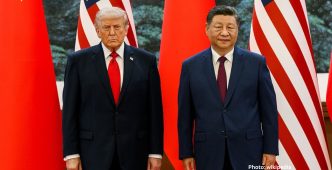
Chinese President Xi Jinping’s visit to Washington, which commenced with grand ceremonial events, has so far demonstrated a lack of substantial progress on key issues between the United States and China. The visit included elaborate welcomes, including a military airbase greeting on Wednesday and an honor-guard reception at the White House on Thursday, both orchestrated by President Donald Trump.
In public statements preceding their formal discussions, Xi, accompanied by a delegation of Chinese officials, emphasized the importance of fostering friendship between the two nations. He announced the gifting of Chinese pandas to the United States and introduced a new student exchange program aimed at enhancing cultural ties. “Let us keep advancing the cause of friendship between our two peoples and work together to build a better world,” Xi stated.
President Trump outlined topics they intended to address during their meetings, highlighting pressing issues such as security, technology, and what he termed “superintelligence,” a reference to artificial intelligence (AI). He remarked, “The decisions we make in these areas today can promote peace and prosperity for decades and decades to come.”
Diplomatic Pageantry and Its Implications
The ceremonial aspects of Xi’s visit are viewed by some analysts as a strategic approach by Trump to enhance the summit’s atmosphere. Jennifer Welch, chief economic analyst for Bloomberg Economics, indicated that the ornate pageantry serves a purpose. “This is a little bit of intentional pageantry to talk up the positive vibes of the summit,” she told the BBC. “This is very much how President Trump sees the summit and the role he plays in the US-China relationship, as ballast to provide stability.”
However, Xi’s rhetoric also contained pointed references to underlying tensions. During his remarks at the White House, he reiterated the concept of the “Thucydides trap,” a theory positing that shifts in global power often lead to conflict between a rising power and a declining one. “China and the United States are different in national conditions, but through candid, in-depth and continued dialogue, our two countries can understand each other better, seek common ground while shelving differences, and build up mutual trust,” Xi said.
Challenges to Substantive Agreements
Despite the cordial exchanges, significant obstacles remain in achieving any meaningful accords between the two nations. During a prior meeting in Beijing in May, Trump and Xi agreed to establish boards of trade and investment to oversee economic interactions, but little else was accomplished. Following this, US Treasury Secretary Scott Bessent announced an extension of a trade “truce” that had maintained lower tariffs, which is now set to continue for an additional two months. Analysts suggest that further extensions could be forthcoming, as neither country seems eager to reignite the trade war that marked previous interactions.
However, the path to progress appears more complicated concerning other pressing topics, including the ongoing US-Iran conflict, the war in Ukraine, and the regulation of AI technologies. China’s failure to uphold commitments to purchase more American agricultural products and to increase the sale of rare earth minerals has further complicated the bilateral relationship. Additionally, China is closely monitoring whether the Trump administration will proceed with a long-discussed sale of American weapons to Taiwan, a transaction that has been stalled for several months.
Divergent Approaches to Artificial Intelligence
The discussions surrounding AI also highlight the differing objectives of the two nations. Robyn Klingler-Vida, a professor of political economy at King’s College London, noted that the US and China have fundamentally different priorities regarding the future of AI development. “On the US side, it’s about existential risk and slowing down AI potentially,” she explained. “Whereas in China, it’s about acceleration, maybe winning the AI tech race and the application of AI to the real economy.”
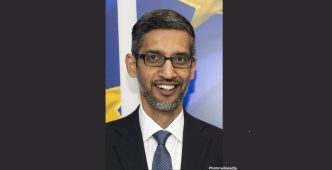
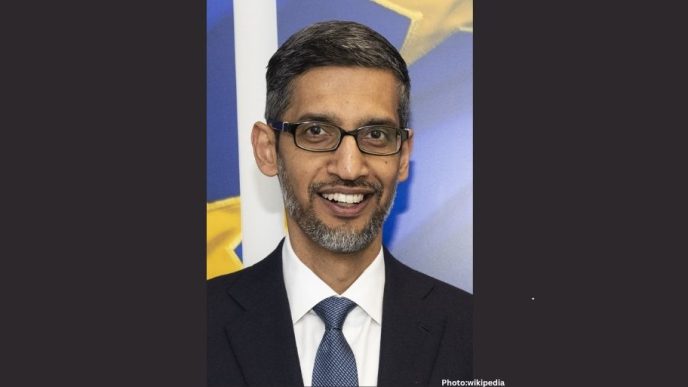
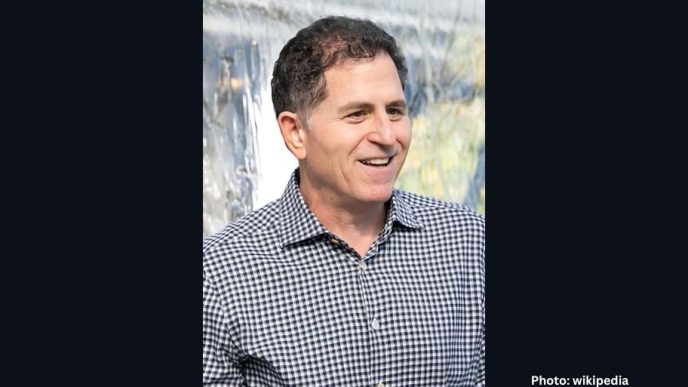
Notably, several prominent American AI executives are expected to attend the formal state dinner at the White House, an event many view as an opportunity for the US to showcase its technological leadership in the sector.
Concluding Thoughts on the Summit
Ultimately, while the pageantry of Xi’s visit and the prospect of additional discussions between the two leaders may project an image of stability, analysts caution that the differing approaches and fundamental misunderstandings between the US and China could hinder meaningful outcomes. Miles Yu, a former principal China policy planner for Secretary of State Mike Pompeo, expressed skepticism regarding the likelihood of productive resolutions, stating, “What China talks about is metaphysical and abstract. The United States wants to solve specific problems. These different approaches are not going to lead to any result.”