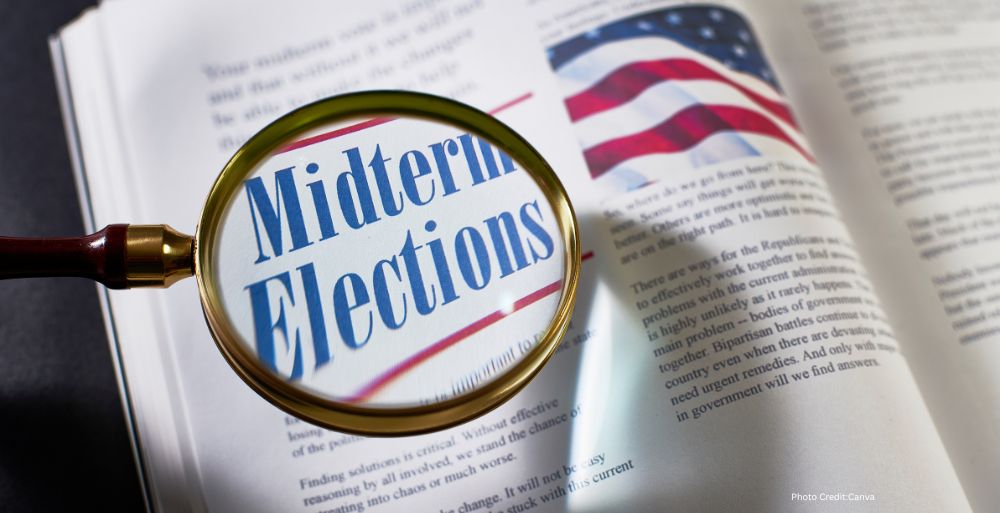
As Congress advances significant healthcare and climate change initiatives, the interplay of public opinion and partisan dynamics reveals the priorities shaping the upcoming midterm elections.
In a pivotal week for American governance, Congress has made strides on several major legislative proposals, underscoring the intense political climate as the nation moves closer to the midterm elections. These initiatives focus on critical issues including healthcare reform and climate change, which are expected to resonate with voters in the approaching electoral cycle.
Healthcare Reform Advances
On Tuesday, the House of Representatives voted to pass a comprehensive healthcare reform bill aimed at reducing prescription drug prices and expanding access to affordable health coverage. The legislation secured a narrow victory with a vote of 220 to 210, indicative of the stark partisan divisions that continue to characterize American politics. Supporters, predominantly from the Democratic Party, assert that the bill is essential in combatting the escalating costs of healthcare that afflict many American families.
Representative Jane Doe, a leading advocate of the legislation, remarked, “This legislation is a crucial step in our ongoing fight to make healthcare accessible for all Americans. We cannot allow pharmaceutical companies to dictate the prices that families pay for life-saving medications.” The bill seeks to empower the federal government to negotiate drug prices directly with pharmaceutical companies, a move that proponents argue could significantly lower costs for consumers.
However, the proposal has faced strong opposition from Republican lawmakers, who argue that it could result in excessive government intervention in the healthcare market, potentially stifling innovation and reducing choices for patients. Critics contend that while the intention behind the bill is commendable, the execution could lead to unintended consequences that harm both healthcare providers and patients.
Public Opinion and Polling Insights
Public sentiment regarding healthcare reforms remains mixed, with a recent Gallup poll indicating that 62% of Americans favor measures aimed at lowering prescription drug prices. Despite this support, there is widespread apprehension regarding the implications of increased government involvement in healthcare. Only 45% of respondents expressed confidence that the proposed reforms would enhance their access to medical care, highlighting a notable gap between popular support for cost reduction and concerns about the broader ramifications of such policies.
This legislative momentum comes at a time when Congress is also addressing climate change issues. A separate bill aimed at reducing carbon emissions and investing in renewable energy sources has gained bipartisan support, yet it faces significant hurdles in the Senate. Key proposals within this legislation include tax incentives for businesses that adopt green technologies and a commitment to reducing greenhouse gas emissions by 50% by 2030.
Senator John Smith, a prominent supporter of the climate change initiative, stated, “The time to act is now. We owe it to future generations to protect our planet and transition to sustainable energy sources.” While many lawmakers acknowledge the urgency of addressing environmental challenges, detractors warn that the financial repercussions of such legislation could result in higher energy costs for consumers, raising questions about its feasibility and public acceptance.
Historical Context and Future Implications
The current legislative efforts echo historical attempts at healthcare reform, most notably the Affordable Care Act (ACA) enacted in 2010. The ACA aimed to provide coverage to millions of uninsured Americans and has remained a focal point of political discourse ever since. The ongoing discussions surrounding healthcare reflect broader trends in American politics, where economic inequities and access to essential services continue to be pressing concerns.
The recent climate initiatives further underscore a growing consensus among certain lawmakers about the necessity of addressing environmental challenges. Natural disasters associated with climate change have become increasingly frequent, creating mounting pressure on legislators to implement effective policies. A 2022 report from the National Oceanic and Atmospheric Administration (NOAA) indicated a 30% increase in extreme weather events over the past decade, intensifying calls for immediate action on climate-related legislation.
Anticipations for the Upcoming Midterm Elections
As these legislative proposals transition through the political landscape, their outcomes are poised to significantly influence the upcoming midterm elections. With partisan divisions deepening, the ability of lawmakers to forge consensus on pivotal issues such as healthcare and climate change will be critical to their electoral viability.
Political analysts predict that voters will likely prioritize candidates who demonstrate a commitment to resolving these pressing issues. This emphasis on legislative action could substantially shape campaign strategies and voter turnout in the months leading up to the elections. The 2022 midterm elections are expected to serve as a referendum on the effectiveness of current policies and the priorities of elected officials.
In conclusion, the legislative landscape in Congress reflects a complex interplay of public opinion, party politics, and policy priorities. As lawmakers navigate these pressing challenges, the outcomes of their efforts will not only affect immediate policy decisions but also have lasting implications for the broader political dynamics heading into a pivotal election year. The decisions made in Congress in the coming weeks could resonate well beyond the Capitol, influencing the lives of millions of Americans and shaping the future direction of national policy.