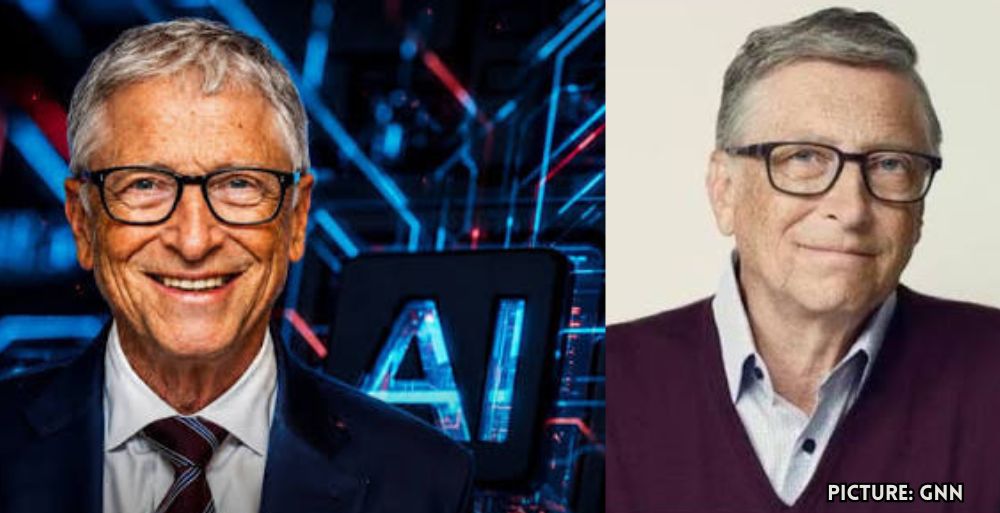
In a recent interview, Bill Gates emphasized the urgent need for federal regulation of artificial intelligence, stating that unregulated AI could lead to catastrophic consequences, including the potential loss of a billion lives.
Bill Gates, the co-founder of Microsoft and a prominent philanthropist, has issued a stark warning regarding the unchecked development of artificial intelligence (AI). In an interview aired on NBC’s Meet the Press on Sunday, Gates asserted that without appropriate regulatory measures, AI could result in catastrophic outcomes, including the potential loss of “a billion lives.” He called for a structured approach involving federal legislators and law enforcement to ensure essential safeguards are integrated into AI development.
During his discussion with NBC host Kristen Welker, Gates emphasized that self-regulation by tech companies is inadequate for managing the risks associated with AI. “You need law enforcement and the politicians to get into the discussion about what safeguards and monitoring look like,” he stated. He characterized the regulatory process as a necessary “overhead” for the industry, which he believed would not significantly hinder innovation. This perspective aligns with a growing consensus among various stakeholders who advocate for regulatory frameworks as AI technology advances rapidly.
The Potent Dangers of AI
Gates elaborated on the powerful capabilities of AI, particularly when misused by individuals with malicious intent. “There’s never been a weapon as powerful as the combination of people with ill intent using the latest AI tools,” he remarked, highlighting the potential for AI to exacerbate existing global threats. His comments resonate within a broader discourse on the implications of advanced AI systems and their capacity to be weaponized. Gates’ warnings echo sentiments expressed in a nearly 6,000-word essay he published in late August, in which he detailed the possible dire consequences of AI, including scenarios involving bioweapons and nuclear warfare.
In addition to Gates, other prominent figures in the tech industry, including Sam Altman of OpenAI and Elon Musk, have voiced similar concerns about the rapid pace of AI development. They have advocated for a slowdown in AI advancements until appropriate safety regulations are established. On September 23, Senator Bernie Sanders introduced legislation proposing a temporary suspension of advanced AI development while comprehensive safety protocols are developed and implemented. This legislative initiative underscores the growing recognition of the potential dangers posed by AI and the urgency of establishing regulatory frameworks.
Microsoft’s Role in AI Development and Ethical Concerns
Despite Gates’ cautionary stance regarding AI, Microsoft, the company he co-founded, has faced scrutiny for its role in developing AI technologies that have raised ethical questions. Activists and some employees have launched campaigns urging Microsoft to sever ties with the Israeli military, which has reportedly used AI tools in military operations that have resulted in civilian casualties in Gaza and Iran. A recent essay by Mohamed Hussein and Granate Kim of the No Azure for Apartheid group brought attention to these issues, arguing that the consequences of AI are also evident in the United States. They pointed out that the Department of Homeland Security has employed Microsoft’s Azure AI services to monitor, detain, and deport immigrants, raising significant ethical concerns about the application of AI in law enforcement.
Gates’ Recent Public Engagements and Context
The comments made by Gates during the interview mark one of his first major public engagements following his involvement in a controversy related to Jeffrey Epstein, the disgraced financier. An external review commissioned by the Bill and Melinda Gates Foundation, released in July, revealed that Gates had met with Epstein multiple times between 2011 and 2014. Although Gates has expressed regret over these meetings, he has not been implicated in any of Epstein’s criminal activities. He continues to serve as chair of the Gates Foundation, which boasts an endowment of approximately $89 billion, focusing on global health, education, and poverty alleviation.
In a lighter moment during the interview, Welker asked Gates whether he personally avoids using AI in certain situations. Gates humorously responded that he does not rely on AI for personal relationships, emphasizing his preference for human connections. “I’m not using it for my personal relationships. I’m not like: ‘Hey, do you like me? Hey, am I a nice guy?’” This comment highlights a broader cultural conversation about the role of AI in everyday life and the importance of maintaining human relationships in an increasingly digital world.
The Implications of AI Regulation
As discussions surrounding AI regulation gain momentum, Gates’ comments contribute significantly to the ongoing dialogue about the ethical implications of emerging technologies and the responsibilities of those who develop them. The call for regulatory oversight reflects a growing recognition of the potential risks associated with AI, urging a collective response from industry leaders, lawmakers, and society at large. The implications of failing to establish effective regulations could be profound, not only for technological innovation but also for global security and human welfare.
In conclusion, Gates’ warning about the potential dangers of unregulated AI technologies serves as a crucial reminder of the importance of proactive governance in the face of rapidly evolving technological landscapes. As AI continues to develop, the conversation surrounding its regulation will undoubtedly shape the future of both the tech industry and society as a whole.