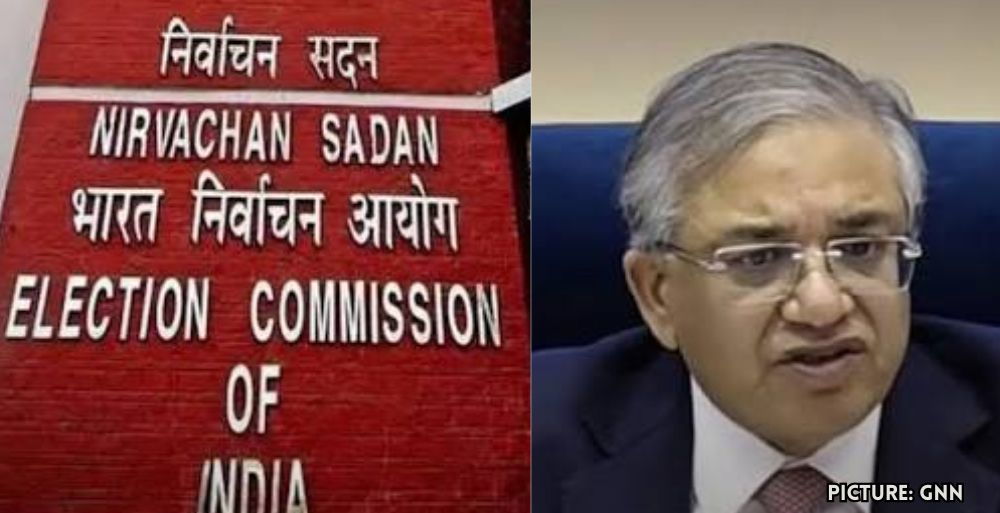
The Election Commission of India is embroiled in a significant internal dispute regarding the management of voter rolls, with two commissioners formally objecting to decisions made without their knowledge, raising concerns about the integrity of the electoral process.
The Election Commission of India (ECI) is facing intense scrutiny following revelations of internal dissent among its three-member panel regarding the Special Intensive Revision (SIR) of voter rolls. This process, which began in June 2025, has resulted in the removal of over 130 million names from the draft voter rolls across 30 states and union territories. The implications of such deletions have sparked a national debate over the Commission’s authority in determining voter eligibility.
Investigations by The Indian Express have uncovered that two of the three Election Commissioners, Sukhbir Singh Sandhu and Vivek Joshi, have raised multiple objections about the processes governing voter registration and deletions. These concerns have been formally documented at least 14 times over the past ten months, with four objections lodged on a single day. Their dissent highlights a significant rupture within the ECI, calling into question the transparency and legality of its actions.
Concerns Over Authorizations and Procedures
According to Sandhu and Joshi, key decisions regarding new voter registrations and the deletion of names have been made without their input, contradicting their understanding of the Commission’s operational protocols. In a written objection, Sandhu stated that the actions taken by the ECI were “unauthorized and illegal,” emphasizing that these decisions must be transparent and inclusive of all commissioners.
On September 9, in response to their grievances, the Chief Election Commissioner (CEC) Gyanesh Kumar convened a meeting with Sandhu and Joshi, marking the first full meeting of the trio in four months. The discord among the commissioners has raised alarms about the integrity of the electoral roll management process, which is crucial for ensuring that elections are conducted fairly.
Implications of Recent Changes
One significant change that has garnered criticism is the alteration of Form-6, the application form for new voters, which now asks whether the applicant or their relatives are listed in the previous electoral roll. This change was implemented despite warnings from Joshi that such modifications required amendments to existing rules. Sandhu reiterated that this new requirement was “unauthorized and illegal” and should be revoked.
The implications of these changes have been particularly pronounced in regions like West Bengal, where the SIR process has faced considerable opposition. The Supreme Court intervened in early 2026, taking control of the final stages of the SIR process from the ECI due to concerns over how names were removed from the rolls. The court established tribunals to hear appeals from voters affected by the deletions, which have led to thousands of individuals seeking restoration of their voting rights.
Concerns Over Centralization
Sandhu and Joshi have also expressed alarm over what they describe as the “gradual centralization” of the electoral roll database, which they argue undermines the traditional decentralized approach that has historically safeguarded against electoral fraud. They contend that restrictions on local Electoral Registration Officers (EROs) have made it difficult for these officials to access and manage voter data appropriately. Joshi highlighted that this centralization could lead to vulnerabilities within the electoral system, as it limits the ability of local officials to respond to discrepancies promptly.
This situation was further compounded in Goa, where technical issues related to the electoral software resulted in the disenfranchisement of 97 eligible voters. Despite a Supreme Court ruling that mandated these voters be allowed to present documentation to demonstrate their eligibility, the necessary software adjustments were not implemented in time, leading to their exclusion from the final voter roll. This incident underscores the critical need for the ECI to ensure that all eligible voters are accurately represented in the electoral process.
The Legislative Framework and Internal Dispute
The ECI operates within a legislative framework established by the Chief Election Commissioner and Other Election Commissioners (Appointment, Conditions of Service and Term of Office) Act, 2023, which mandates that Commission decisions should be made unanimously whenever possible. The current internal conflict raises questions about adherence to this legal requirement, as the dissenting commissioners have noted that many communications and decisions have been disseminated without their approval.
The discord among the commissioners reflects broader tensions within the ECI, particularly as all three commissioners were appointed by the National Democratic Alliance (NDA) government under the 2023 Act. The appointment process has faced criticism from opposition leaders, who have expressed concerns about the potential erosion of the Commission’s independence.
As the ECI navigates this internal strife, the overarching question remains: How will it ensure the integrity and transparency of the electoral process in light of these challenges? The outcome of this dispute not only affects the immediate electoral landscape but also sets a precedent for the future of electoral governance in India.