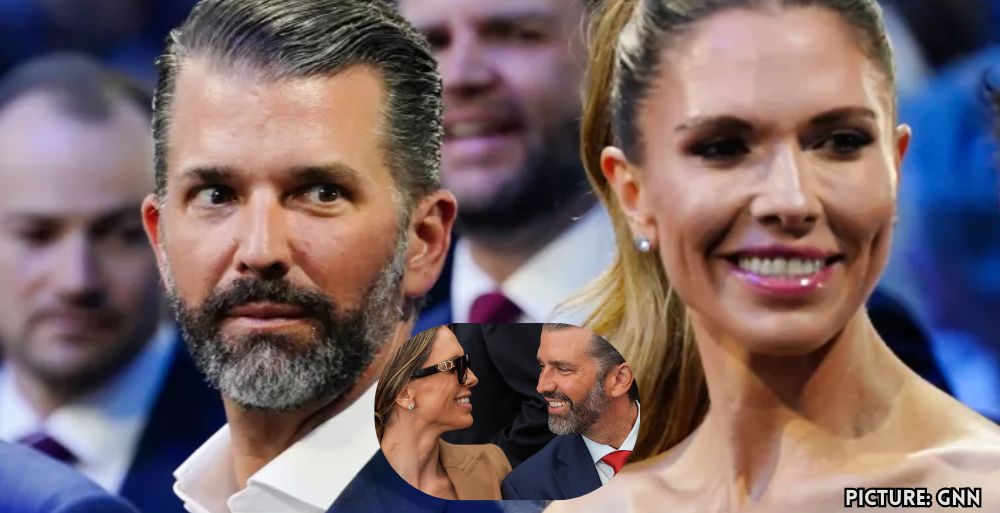
Donald Trump Jr.’s wedding in the Bahamas on May 24, 2026, was reportedly financed by a Russian oligarch with ties to President Vladimir Putin, prompting renewed scrutiny over foreign financial influences on American political figures.
On May 24, 2026, Donald Trump Jr. exchanged vows in a lavish ceremony held in the Bahamas, a celebration attended by friends and family, including high-profile guests from the worlds of politics and entertainment. The event featured elaborate performances, including dancers adorned in colorful costumes, creating an atmosphere of opulence. However, emerging reports suggest that the celebration was financially supported by a Russian oligarch closely linked to Russian President Vladimir Putin, raising significant questions about the implications of foreign financial influences in American political families.
Financial Backing and Its Implications
The individual identified as the primary financier of the wedding is reportedly a member of a group of Russian elites whose wealth has been accumulated through government contracts and industries that are closely intertwined with the Kremlin. This relationship not only highlights the personal ties between the Trump family and foreign figures but also underscores broader concerns regarding the potential for foreign influence within American political dynamics.
In recent years, the Trump family has faced intense scrutiny over various business dealings, particularly those involving foreign investments that may present conflicts of interest. This latest revelation about the funding of Trump Jr.’s wedding adds another layer of complexity to an already scrutinized family narrative, as it raises the stakes regarding the intersection of personal celebrations and international financial entanglements.
Context of Foreign Influence in American Politics
The intertwining of personal life and foreign financing is a recurring theme in American politics, especially in light of the heightened awareness surrounding foreign interference and influence in U.S. affairs. Following the 2016 presidential election, allegations of Russian meddling catalyzed a national conversation about the implications of foreign financial support for American political figures. This has led to increased calls for transparency and accountability in political funding, as well as legislative efforts aimed at curbing foreign contributions to political campaigns.
The financial backing of Donald Trump Jr.’s wedding by a foreign oligarch has reignited these discussions, as critics argue that such support could potentially compromise the loyalty and interests of American political figures. This concern is particularly salient given the ongoing debates about national security, foreign policy, and the integrity of American democratic institutions.
Reactions and Critiques
The revelation of the wedding’s funding has prompted a range of reactions from political analysts, critics, and commentators. Some argue that the involvement of a Russian oligarch in a high-profile American celebration raises alarm bells regarding the potential for undue influence and favoritism in political matters. Skeptics of the Trump family’s business dealings have long voiced concerns about the implications of foreign ties, arguing that such relationships could lead to conflicts of interest in governance.
Despite the emerging details about the financial backing of the wedding, representatives for Donald Trump Jr. have not publicly addressed the matter, leaving many questions about the nature of the relationship between the Trump family and the oligarch unanswered. This lack of transparency has the potential to fuel further speculation about the implications of such connections, particularly in an era where public trust in political figures is increasingly tenuous.
Historical Context and Ongoing Scrutiny
The conversation surrounding foreign influence in American politics has evolved significantly over the past several years, particularly in the aftermath of the 2016 election. Investigations into Russian interference have underscored the vulnerability of American political systems to foreign financial and political pressures, prompting lawmakers to consider reforms aimed at enhancing the transparency of campaign financing and lobbying.
As the narrative surrounding Donald Trump Jr.’s wedding unfolds, it serves as a reminder of the ongoing challenges related to foreign influence in American political life. The implications of this financial connection could reverberate beyond the personal sphere, affecting public perception of political integrity and accountability. In an era marked by increasing polarization and skepticism towards political institutions, events such as these can contribute to broader concerns about the intersection of wealth, power, and political influence.
Conclusion
While Donald Trump Jr.’s wedding represents a personal milestone, it also highlights the complex and often contentious relationship between personal celebrations and foreign financial influence in American politics. As further information emerges, the implications of such connections will likely continue to be a focal point of public interest and scrutiny, demanding careful examination from both the media and the public. The intersection of personal and political spheres remains a vital area for ongoing discourse about ethical governance and the safeguarding of democratic principles in the United States.