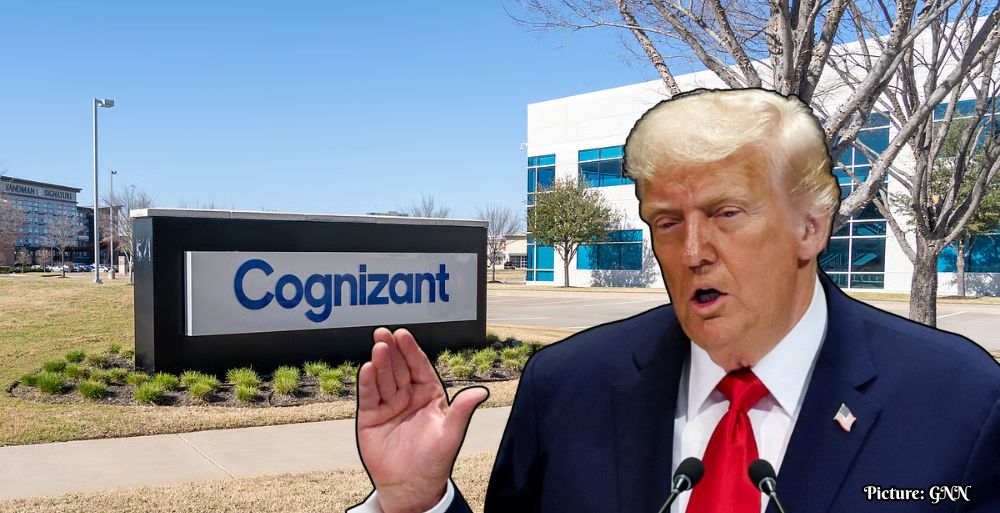
The US Department of Labor has suspended permanent labor certification filings for Cognizant and Cloudera as part of an intensified investigation into alleged fraud in employment-based immigration programs, reflecting the Trump administration’s strict enforcement measures.
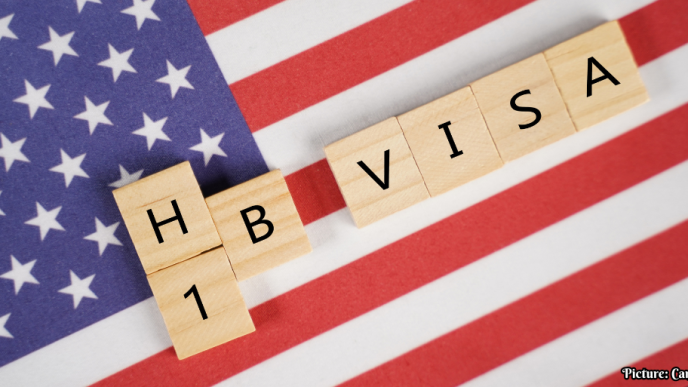
NEW DELHI — The US Department of Labor (DOL) announced on Tuesday that it has suspended permanent labor certification (PERM) filings for Cognizant Technology Solutions and Cloudera amid a wider investigation into alleged fraud in employment-based immigration programs. This action is part of ongoing efforts by the Trump administration to enhance scrutiny of the H-1B visa program and related immigration processes.
Inspector General Anthony D’Esposito communicated the suspension through a post on social media platform X, stating, “Threats to American workers will NOT be tolerated.” His remarks underscored the administration’s commitment to addressing potential abuses within the immigration system. D’Esposito emphasized the collaborative nature of this initiative, noting the involvement of the White House Fraud Task Force and other pertinent authorities. He remarked, “Fighting fraud is a TEAM SPORT,” further indicating that the DOL is actively pursuing all relevant facts in this investigation.
Context of the Investigation
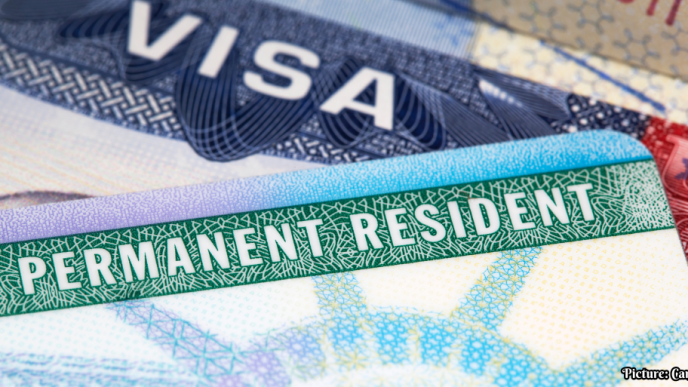
The suspension of Cognizant’s and Cloudera’s PERM filings is part of a broader investigation initiated by the Trump administration in July 2023, aimed at uncovering fraudulent practices linked to employment visa programs, including the H-1B and PERM processes. The PERM process is crucial for US employers seeking to sponsor foreign workers for permanent residency, requiring them to demonstrate that there are no qualified American workers available for the position and that hiring a foreign worker will not adversely impact wages or working conditions for U.S. employees.
Employment-based immigration has come under increased scrutiny in recent years, particularly targeting companies that rely heavily on foreign labor. The DOL’s actions reflect a significant escalation in the investigation of major IT service providers, especially firms like Cognizant that have historically depended on foreign talent to meet operational needs in the United States.
Cognizant’s Role in the IT Sector
Cognizant was established in Chennai, India, in 1994 and has evolved into a key player in the global IT services sector, currently headquartered in Teaneck, New Jersey. The company’s operational model has long been centered around leveraging foreign talent through various immigration channels. According to recent data from the US Citizenship and Immigration Services, Cognizant received approvals for 3,510 H-1B visa applications through June 30, 2023, a significant decrease from 9,413 approvals in 2020. This decline reflects not only heightened scrutiny but also the changing landscape of immigration policy under the current administration.
The suspension of PERM filings for Cognizant and Cloudera positions both companies at the forefront of a contentious investigation that may have serious implications for their future operations in the U.S. labor market.
Industry Implications and Reactions
The ramifications of the Trump administration’s crackdown on employment-based immigration are extensive, particularly for companies like Cognizant and Cloudera that rely on foreign workers to meet staffing needs. The suspension of PERM filings poses significant challenges for these organizations, potentially hindering their ability to fulfill contractual obligations to clients and maintain adequate workforce levels.
Large Indian IT firms, which have historically relied on U.S. immigration programs to staff various projects, may find themselves navigating a more complex regulatory environment as a result of these actions. Industry experts have voiced concerns that the stringent measures could lead to talent shortages, stifle innovation, and impede economic growth in the technology sector, which is heavily reliant on a skilled workforce.
As the investigation unfolds, the implications for the broader IT industry are likely to be profound. Companies that depend on foreign talent to remain competitive in a global marketplace may need to reevaluate their hiring practices and immigration strategies in response to the evolving regulatory landscape.
Political and Economic Considerations
The suspension of PERM filings aligns with the Trump administration’s broader agenda to promote American jobs and protect domestic labor markets. The administration has framed its actions as necessary to combat fraud and ensure that American workers are prioritized in the employment landscape. However, critics argue that such a hardline approach may have unintended consequences, including exacerbating labor shortages in critical sectors such as technology, healthcare, and engineering.
As stakeholders across the industry watch closely, the outcomes of this investigation and subsequent regulatory actions will likely have lasting effects on U.S. employment practices, immigration policy, and the operational strategies of major corporations in the technology sector. The intersection of labor, immigration, and economic policy continues to be a contentious issue, reflecting broader societal debates about the role of foreign workers in the U.S. economy.
In conclusion, the Department of Labor’s decision to suspend the PERM filings for Cognizant and Cloudera marks a significant moment in the ongoing discourse surrounding employment-based immigration. The developments over the coming months will be scrutinized by industry stakeholders, policymakers, and advocates alike, as the potential ramifications extend beyond individual companies to the entire workforce and economic landscape of the United States.