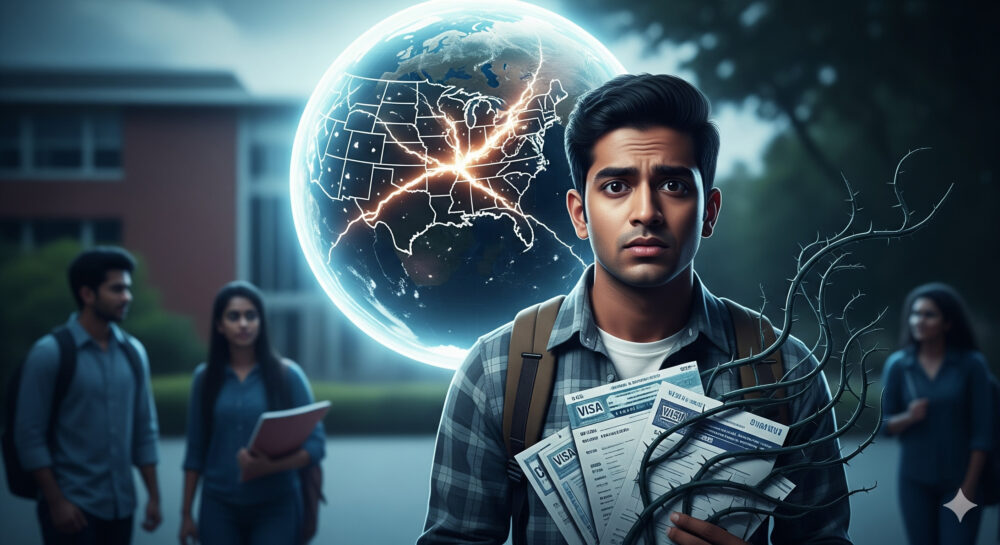
Vivek Wadhwa, an Indian-American entrepreneur, posits that if a portion of skilled Indian workers currently caught in the US green card backlog were to return to India, it could yield a significant economic boost, potentially adding 1% to India’s GDP over the next three years.
Indian-American entrepreneur Vivek Wadhwa has made headlines with his assertion that India’s economy could see a substantial uplift if skilled professionals currently facing delays in obtaining green cards in the United States choose to return home. This prediction is rooted in the broader context of ongoing discussions regarding H-1B visas and tightening immigration policies in the US.
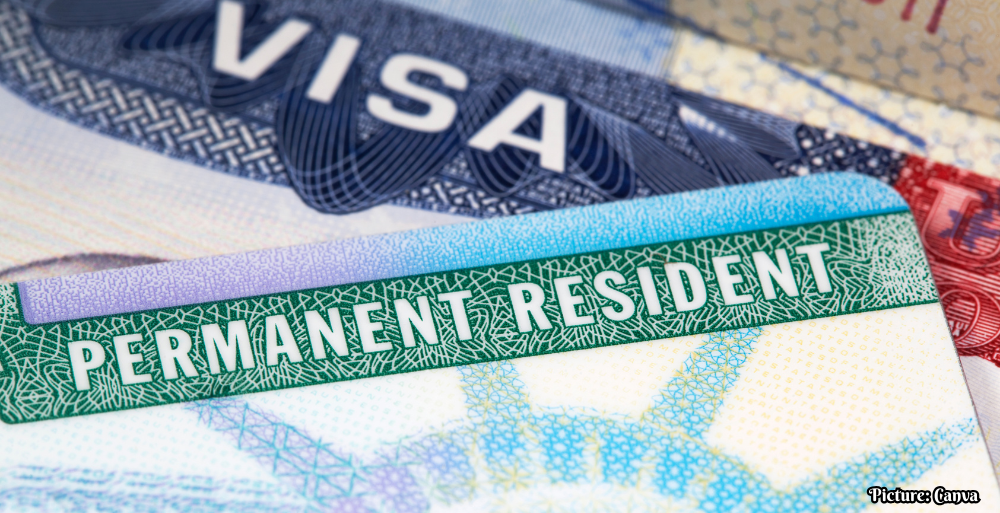
In a recent post on social media platform X, Wadhwa articulated that even if just 10% of the over one million Indians waiting for permanent residency in the US were to return to India, it could contribute around 1% to the country’s GDP over the next two to three years. He emphasized that these individuals would bring back not only their professional expertise but also their savings and extensive business networks, all of which could significantly enhance India’s economic prospects.
Current Immigration Landscape
The backdrop to Wadhwa’s prediction involves critical changes in the US immigration framework, particularly concerning the H-1B visa program. Recently, the US administration has proposed eliminating the 60-day grace period currently granted to H-1B visa holders following job loss. Under existing regulations, these individuals benefit from a two-month window to find new employment or make arrangements to leave the country after being laid off. However, should the proposed changes be enacted, the last day of employment would coincide with the end of legal residency in the US.
This proposal has raised alarm among H-1B visa holders and their families, who are now grappling with increased uncertainty about their future in the United States. Wadhwa highlighted that many skilled immigrant workers are apprehensive about these potential policy changes, which may compel them to consider returning to India as a more viable option.
Potential Economic Impact of Reverse Migration
Wadhwa’s assertion rests on the premise that the return of skilled professionals could create substantial economic benefits for India. He noted that if 10% of the individuals in the green card backlog—approximately 100,000 people—were to return, their accumulated capital, expertise, and connections would likely spur growth in various sectors of the Indian economy. He proposed an even more optimistic scenario, suggesting that if 20% or 30% were to come back, the economic impact could be exponentially larger.
“Imagine if 20% or 30% returned,” Wadhwa wrote, emphasizing the transformative potential of such a migration reversal. He argued that India stands to gain not only from an increase in labor supply but also from the influx of knowledge and skills that these individuals have garnered while working in the US.
This scenario presents an intriguing counter-narrative to the prevailing notion of brain drain, where skilled individuals leave their home country for better opportunities abroad. Wadhwa suggests that the current immigration climate in the US might catalyze a reverse brain drain, allowing India to capitalize on the skills and experience of its diaspora.
Debate Over H-1B Visas
The timing of Wadhwa’s comments coincides with intensified scrutiny over the H-1B visa program. Over the years, he has been a vocal critic of the current system, advocating for a comprehensive overhaul in favor of a more flexible immigration framework. He argues that the existing structure has become mired in issues such as labor arbitrage and protracted green card processing times, which undermine the program’s original intent to attract skilled labor.
In August, Wadhwa called for a shift away from a system that ties skilled immigrants to specific employers, instead proposing a model that would grant talented individuals greater freedom to pursue their career ambitions and start businesses. This, he argues, would not only benefit the immigrants themselves but also contribute to the broader US economy.
Challenges to Returning to India
Despite Wadhwa’s optimistic predictions regarding reverse migration, there are significant hurdles that could deter skilled Indian workers from returning to India. Many social media users have expressed skepticism about the feasibility of such a scenario, arguing that individuals currently trapped in the US green card queue may be more inclined to explore opportunities in European countries, Canada, or Australia rather than returning to India. Concerns regarding high taxes, infrastructural challenges, and overall quality of life in India have been cited as potential deterrents.
“It’s a mistaken belief. Who would come here with taxes so high, poor water and air quality, and C-grade civic infrastructure?” one commenter noted, reflecting the complexities surrounding the decision-making processes of skilled immigrants in the US. This sentiment underscores a broader concern that while the allure of returning home may exist, the practical realities of living and working in India could pose significant challenges.
Broader Implications for US-India Relations
As the debate over H-1B visas and immigration policy continues, the potential for a reverse brain drain presents a critical issue not only for the US but also for India. Wadhwa’s insights highlight the intricate relationship between immigration policy and economic development, suggesting that changes in one country can have far-reaching implications for another.
The discussion surrounding the H-1B visa program illustrates the tension between protecting domestic job markets and fostering a global economy that benefits from the exchange of skilled labor. As the US grapples with its immigration policies, India stands to gain from the potential return of its skilled professionals, provided that the conditions in their home country are conducive to their aspirations.
In conclusion, while Wadhwa’s predictions present an optimistic outlook for India’s economy, the reality of such a migration reversal hinges on various factors, including the evolving immigration policies in the US and the socio-economic conditions awaiting these professionals in India.