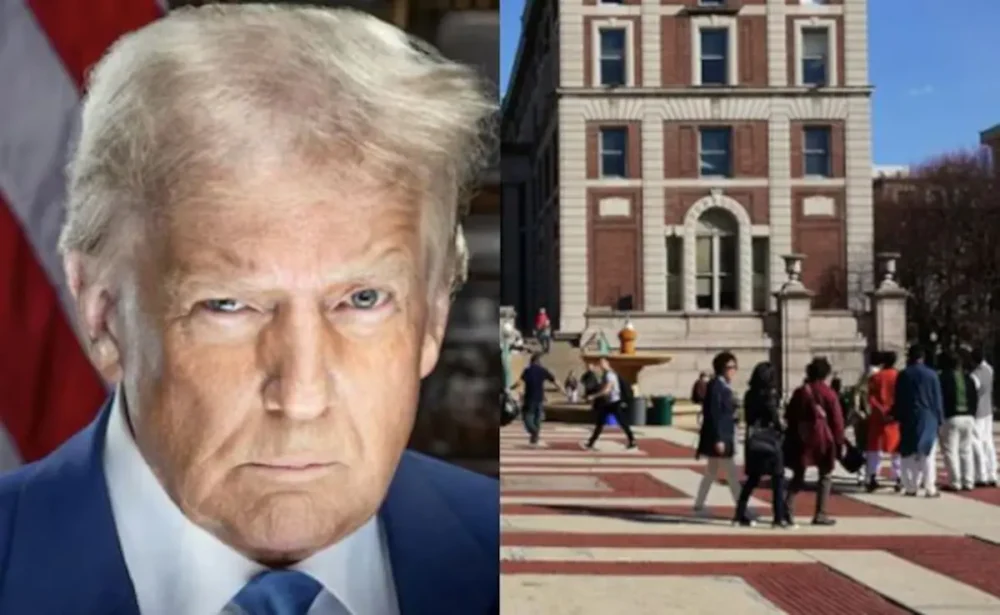
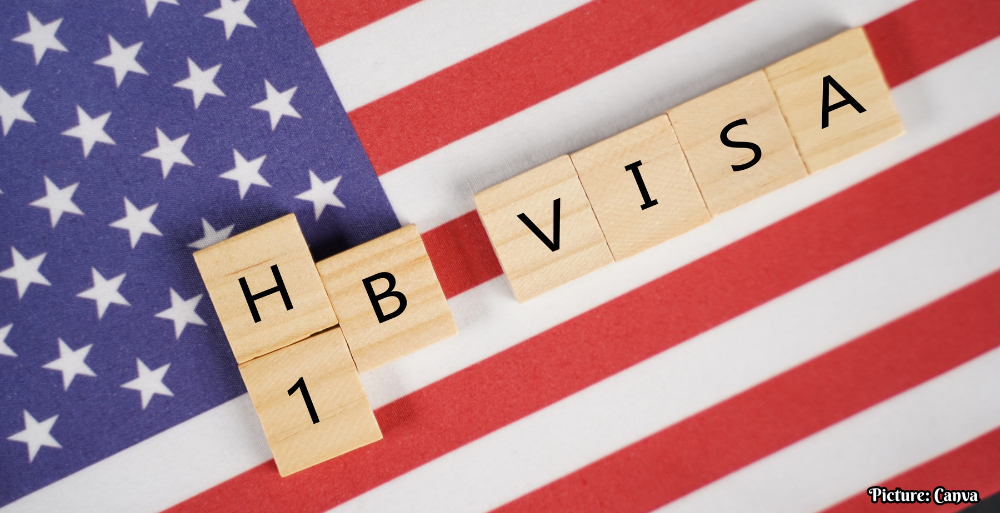
The Trump administration has announced a one-year extension of the H-1B visa program, aiming to attract highly skilled foreign workers to fill critical roles in the U.S. labor market, particularly in technology and engineering sectors.
In a significant move that could reshape the landscape of the U.S. labor market, the Trump administration has announced an extension of the H-1B visa program, which allows U.S. employers to temporarily hire foreign workers in specialty occupations, for an additional year. This decision, made public earlier this month, aims to bolster the U.S. economy by attracting international talent in key sectors such as technology, engineering, and healthcare, amid ongoing labor shortages.
The H-1B visa program has been a cornerstone of U.S. immigration policy for skilled workers since its establishment in 1990. Each fiscal year, the program is capped at 85,000 visas, with 20,000 specifically allocated for individuals holding a master’s degree or higher from a U.S. institution. However, the demand for these visas has consistently outstripped supply. For instance, in fiscal year 2019, the U.S. Citizenship and Immigration Services (USCIS) received nearly 200,000 applications, illustrating the competitive landscape for skilled labor in the country.
Historical Context and Economic Implications
The H-1B visa program has historically played a crucial role in enabling U.S. companies to fill vacancies in specialized fields. According to data from the Economic Policy Institute, approximately 60% of H-1B workers are employed in computer-related occupations, underscoring the program’s importance to the technology sector. Proponents argue that the continued influx of skilled workers is essential for maintaining the United States’ competitive edge in innovation and technological advancement, particularly as global competitors like China and India enhance their own tech capabilities.
Supporters of the extension assert that foreign talent is vital for U.S. companies to innovate and grow, especially in high-demand sectors. “We must continue to attract the best and brightest minds from around the globe to keep our economy robust and competitive,” a spokesperson for a leading technology firm stated, emphasizing the critical need for skilled workers in the industry.
However, the program has faced considerable scrutiny over the years. Critics contend that the H-1B visa program undermines American workers by allowing companies to hire foreign employees at lower wages. Labor unions and various advocacy groups argue that this practice can lead to job displacement and wage suppression for American workers, particularly in industries where H-1B workers are concentrated. A representative from the AFL-CIO voiced this concern, stating, “While we recognize the importance of skilled immigration, it should not come at the expense of American workers who are already struggling to find stable employment.”
Political Reactions to the Extension
The extension of the H-1B visa program has elicited mixed reactions among lawmakers and industry stakeholders. Proponents, particularly from the technology sector, have welcomed the decision as a necessary measure to ensure that the U.S. remains a leader in technology and innovation. They argue that allowing more skilled foreign workers into the country will help address the skills gap that exists in many high-tech industries.
Conversely, opposition voices, particularly from labor unions and certain political factions, have raised alarms about the potential negative impacts on American workers. Critics argue that the extension could exacerbate existing challenges faced by U.S. workers, especially in a labor market already affected by the economic fallout from the COVID-19 pandemic. This sentiment underscores the ongoing debate surrounding the balance of skilled immigration and domestic job protection.
Future Considerations and Ongoing Controversies
As the Trump administration implements this extension, the long-term implications for the U.S. labor market and immigration policy remain uncertain. While the extension may address immediate labor shortages in critical sectors, it raises broader questions about the need for comprehensive reform of immigration policies that align the demands of industries with the protection of American jobs. Observers suggest that without such reforms, the U.S. risks fostering an environment where American workers are continually disadvantaged.
The H-1B visa program has also encountered legal challenges and scrutiny over the years, with various court rulings shaping its implementation and the conditions under which visas are granted. For example, previous administrations have attempted to make changes to the program, either to tighten eligibility requirements or to increase oversight of employers utilizing H-1B workers. Future administrations may look to reform the H-1B program further, reflecting the evolving economic landscape and the needs of the labor market.
Moreover, the rise of remote work due to the pandemic may further complicate the future of the H-1B program. As more companies adapt to a digital workforce, the necessity for physical presence in the U.S. for skilled workers may shift, leading to calls for re-evaluation of the current visa system.
Conclusion
In conclusion, the Trump administration’s decision to extend the H-1B visa program for another year highlights the ongoing tension between the necessity for skilled foreign labor and the protection of American workers. As this program progresses, stakeholders—including businesses, labor groups, and policymakers—will be closely monitoring its effects on the economy and the workforce. The outcomes of this extension may have lasting implications for the future of skilled immigration in the United States, as the nation navigates the complexities of a globalized economy and an evolving labor market.