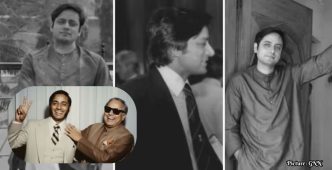
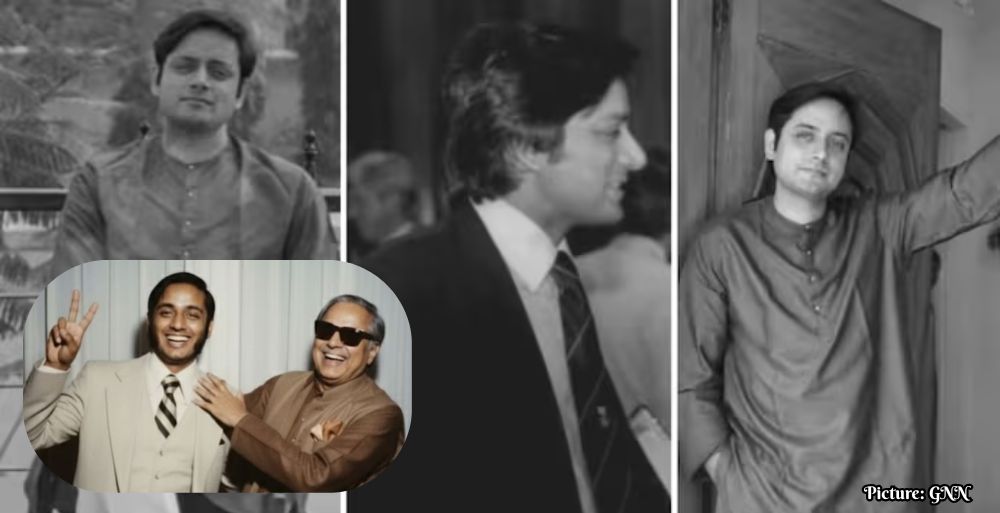
A recent wave of nostalgia has swept through social media as several Indian politicians, including Congress MP Shashi Tharoor, participate in a viral trend that utilizes AI to recreate images reflecting 1980s aesthetics.
In a notable display of retro nostalgia, Congress Member of Parliament Shashi Tharoor has joined the trending 1980s AI phenomenon by sharing an Instagram reel that features AI-generated images depicting how he might have looked during that iconic decade. This post not only garnered positive feedback from his followers but also highlights a broader trend among politicians leveraging social media to connect with constituents through nostalgic themes.
The trend, which has taken social media platforms by storm, involves using artificial intelligence to generate photographs in the style of the 1980s, allowing users to envision themselves in that era. Tharoor’s post, captioned, “The ’80s seem to be back, courtesy of AI. I thought I’d join the trend the old-fashioned way,” adds a personal touch to this collective engagement with the past.
Context of the 1980s AI Trend
This resurgence of interest in the 1980s is not merely limited to Tharoor. Numerous public figures have embraced this trend, tapping into a collective sense of nostalgia that resonates widely across generations. The AI-generated images are characterized by their unique retro aesthetics, often incorporating sepia tones and vintage effects that remind viewers of old photographs.
The 1980s, a decade known for its distinctive cultural markers—from music and fashion to political shifts—has become a point of reference for many today. The current trend reflects a longing for the past, particularly among millennials and Generation Z who may not have lived through that era but are fascinated by its cultural artifacts. As politicians like Tharoor engage with this nostalgia, they also cleverly reposition themselves within a more relatable framework for younger voters.
Tharoor is no stranger to engaging with viral trends. In September 2025, he participated in the ‘Hug My Younger Self’ challenge, sharing an AI-generated image that humorously placed him alongside his 22-year-old self. Earlier in March 2025, he had also joined the Ghibli trend, showcasing an AI-generated version of himself styled in the distinctive art of Studio Ghibli films. These interactions reflect Tharoor’s adeptness at using modern technology to create relatable content that resonates with his audience.
Other Political Figures Engaging with Nostalgia
Shashi Tharoor is among various political figures who have contributed to the 1980s trend. Union Commerce and Industry Minister Piyush Goyal shared his own AI-generated image, donning a tailored grey suit, white shirt, and aviator sunglasses. His post was accompanied by the caption, “Vibing to the 80s trend,” further emphasizing the light-heartedness surrounding this nostalgic wave.
Additionally, Union Minister for Parliamentary Affairs Kiren Rijiju also joined the trend, sharing a retro-inspired image in which he poses confidently with sunglasses and a blazer beside a car. His tongue-in-cheek caption, “Why is everyone going back to the 80s vibes? I’m also forced to 80s nostalgia,” reflects a playful acknowledgment of the trend’s popularity among political circles.
Assam Chief Minister Himanta Biswa Sarma also lent his voice to this nostalgic narrative, sharing an AI-generated throwback image with a caption suggesting a collective return to the 1980s. He wrote, “Getting to any trend which has nostalgia attached to it. Back to the 80s eh!” This further illustrates how politicians are harnessing nostalgia to engage with their audiences in a relatable manner.
The Cultural Implications of AI in Politics
The embrace of AI-generated imagery by these political figures suggests a significant shift in how politicians approach their public personas. By tapping into nostalgia, especially through a decade that is often romanticized for its cultural contributions, these leaders are connecting with voters on an emotional level. This trend raises questions about the role of technology in shaping political narratives and public engagement.
Moreover, the integration of AI into social media strategies reflects a broader trend of digital transformation within political communication. The ability to generate personalized, engaging content allows politicians to maintain relevancy in a rapidly changing media landscape. For instance, Tharoor’s repeated forays into AI trends exemplify how public figures can utilize contemporary tools to craft their images and engage with the electorate creatively.
Potential Risks and Ethical Considerations
While the 1980s AI trend offers a light-hearted way for politicians to connect with constituents, it also raises important ethical questions. The use of AI to manipulate images and create personas can blur the lines between reality and representation, leading to potential misunderstandings among the public. Politicians must navigate these waters carefully, balancing engagement with transparency to maintain trust with their audience.
Furthermore, as AI technology evolves, the implications for political communication will likely expand. The ability to create hyper-realistic images and narratives could lead to more significant challenges, including misinformation and the potential for AI-generated deepfakes that could disrupt democratic processes.
Looking Ahead: The Future of AI in Political Engagement
As the 1980s AI trend continues to evolve, it remains to be seen how long this nostalgic wave will last and if it will lead to more substantive discussions about the past, cultural heritage, and the role of technology in modern politics. For now, the playful engagement with retro aesthetics provides a glimpse into a lighter side of political interaction in India, showcasing how social media can foster connections across generations.
In conclusion, the participation of Shashi Tharoor and other political figures in the 1980s AI trend signifies a growing recognition of the power of nostalgia in political discourse. As politicians increasingly engage with their audiences through innovative technologies, the implications for political strategy, voter engagement, and the overall landscape of political communication will continue to unfold.