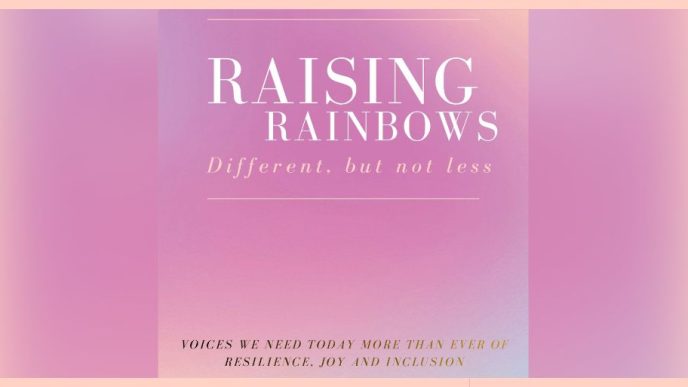
What does it truly mean to raise a child beyond labels, diagnoses, and society’s expectations?
`For Smita, the answer wasn’t found in medical reports or developmental milestones. It unfolded in everyday moments, small victories, difficult days, unexpected laughter, and an unbreakable bond with her son.
In Episode 3 of Raising Rainbows, Smita shares an honest, deeply personal account of raising an autistic child. With remarkable candour, she speaks about the fears, the misconceptions, the resilience, and the quiet triumphs that transformed not only her son, but her own understanding of love, parenting, and possibility.
This is more than one family’s story. It is an invitation to look beyond a diagnosis, to celebrate progress over perfection, and to recognise the unique strengths and potential within every neurodivergent child.
By the time you reach the final question, you may find that it isn’t just your understanding of autism that has changed, but your understanding of what it truly means to see, accept, and love another human being.
Ancy: Tell us about your child beyond the diagnosis. What makes him laugh, light up, or feel happiest?
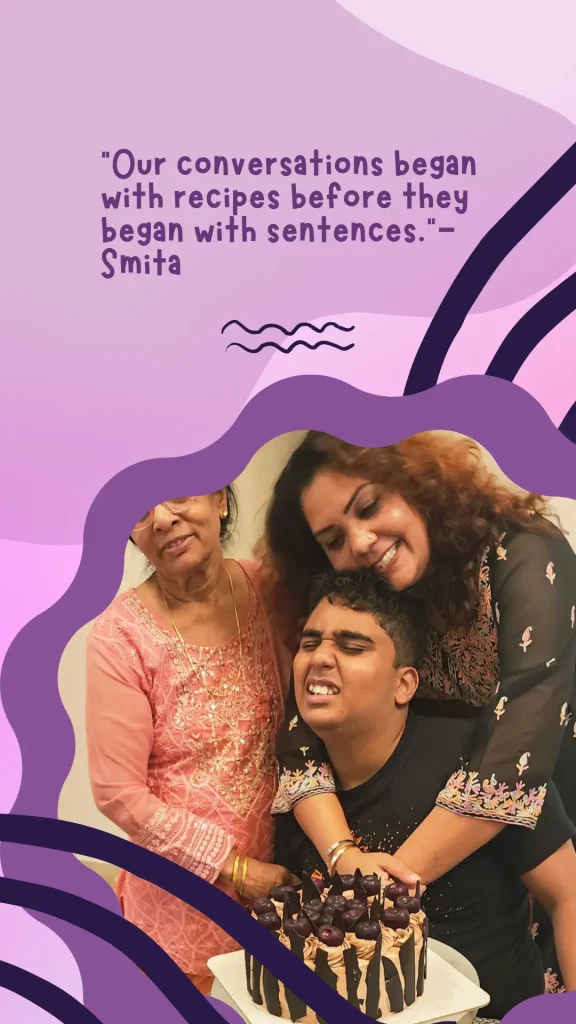
Smita: My son, who is now 16, lights up at the mere mention of food. That’s how our bond has strengthened over the years. I remember being told by some professionals early in our journey that autistic children may express emotions and attachments differently from neuro-typical children, and that connecting with them could be challenging. Yet I always believed I was the person with whom my son felt safest. Why wouldn’t he be attached to me?
That belief led me to connect with him through food. I would show him how I cooked while he sat on the kitchen counter watching me. Within a couple of months, he began saying words as complex as capsicum, chocolate and pomegranate. Soon, he was narrating entire recipes: “Put the pan… add oil… add jeera… add onions…” and so on. As a professional chef, it brought me immense joy to see how much he loved both food and the process of cooking. I often joke that one day, when he grows up, I will send him to train under Chef Gordon Ramsay, the chef famous for making people cry. My son would probably end up doing that to him instead. The quickest way to get my son talking is simply to ask him what he wants to eat.
Ancy: What is something people misunderstand most about children on the autism spectrum?
Smita: People often assume that autistic children are ill-mannered, unteachable and have no future. Some people assume these children will always remain dependent on their parents or caregivers, that they are a burden, or that they should not be around other children.
Someone close to me once told me that a neighbour’s mother had advised her daughter to stay away from me and even from my son’s “shadow” because her daughter had been born through IVF. Earlier, comments like these would have shattered me. Today, I have developed a thick skin. More importantly, I make sure that people with such attitudes have no place in my son’s life, or mine.
Ancy: What moment with your child changed your understanding of love, patience or humanity?
Smita: I had an extremely difficult pregnancy. Doctors had told me that I was unlikely to conceive because I have a bicornuate uterus. Yet, God had other plans.
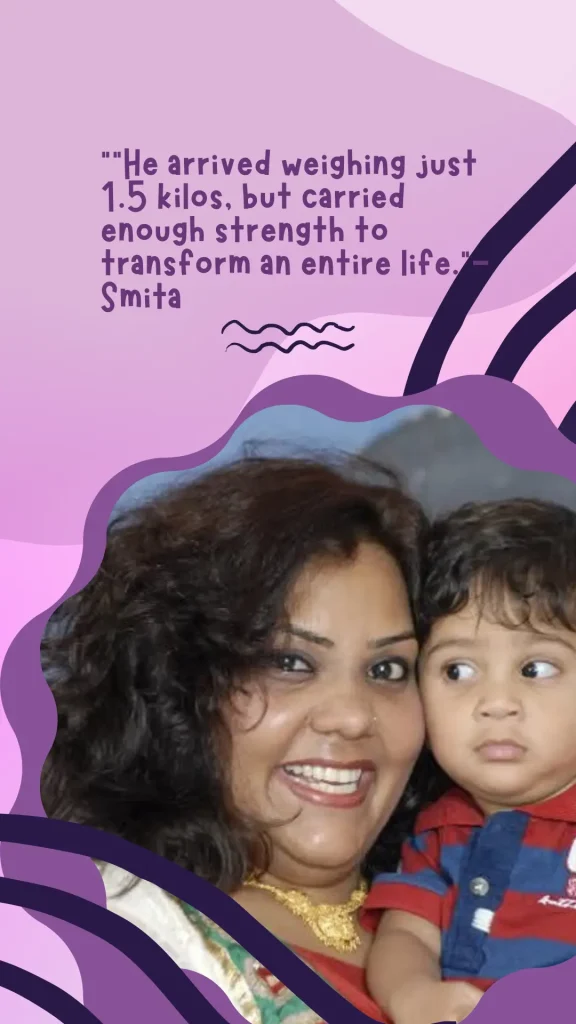
It felt like a miracle. I managed gestational diabetes throughout the pregnancy and, at 32 weeks, delivered a fragile baby weighing just 1.5 kilograms. He had almost no body fat and spent his first two weeks in the NICU. During rooming-in, he nearly lost his pulse and turned pale. Every day, I climbed up and down the hospital stairs four or five times to reach the NICU.
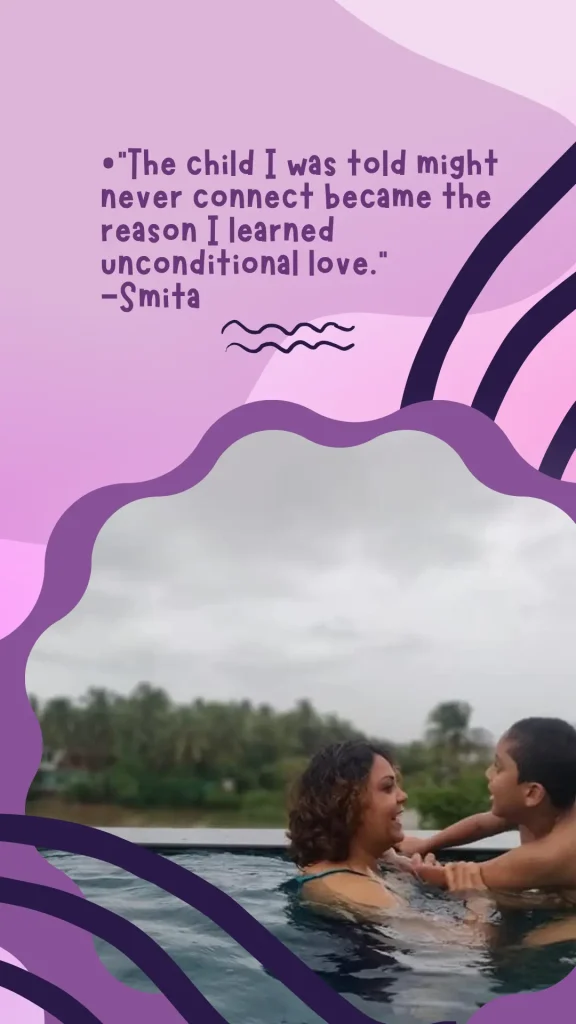
I had always been a fighter, but after he was born, patience—something that had never been my strength—became an inseparable part of who I am. Every single day, my son made me more human, more compassionate and more capable of unconditional love. When I returned to work after he was eight months old, my boss remarked on how I had transformed from a fiery manager into someone with a far more nurturing approach. My son taught me how to truly understand people and connect with them at a much deeper level.
Ancy: What are your child’s biggest strengths that the world often overlooks?
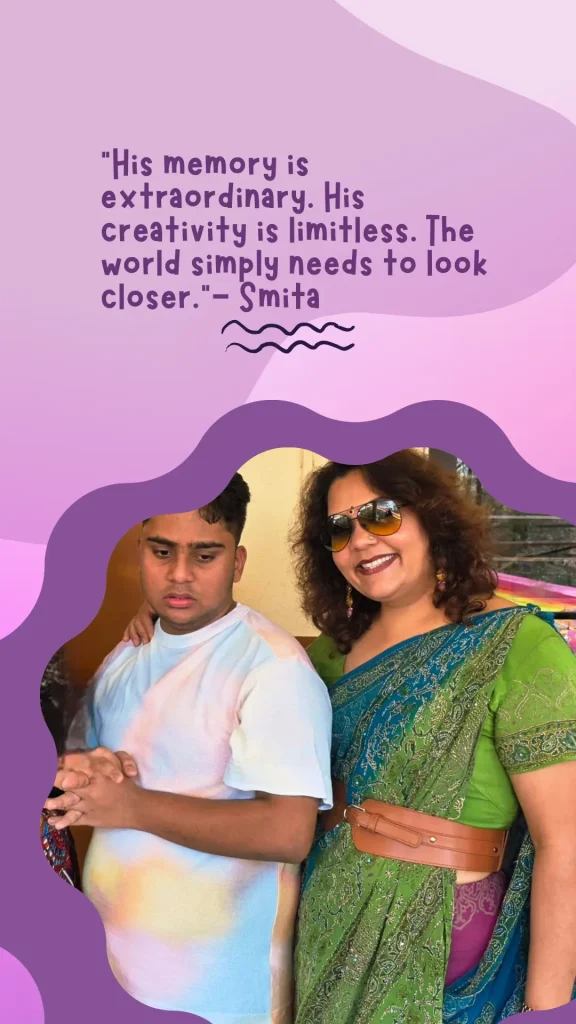
Smita: Moving to Bengaluru changed our lives. The school he attended for just two years recognised abilities that had gone unnoticed for years and enrolled him in its vocational programme. Today, he is one of their fastest learners.
The way his face lights up whenever I mention Pragati says everything. I often think about how much his previous school in Pune missed by not discovering and nurturing these strengths.
Ancy: What does a “good day” look like in your home?
Smita: A good day is when my son manages his routine independently. He wakes up, takes a shower, says his prayers, serves himself breakfast, washes his own plate, cleans the table, goes to his room, listens to his favourite songs on full volume, asks me to order food from Swiggy or Zomato, and heads out for a walk.
If he manages all of that while giving me only a few reasons to shout, I consider it a perfect day.
Ancy: What emotions did you experience when you first received the diagnosis?
Smita: I had been reading about autism ever since I first noticed my son’s unusual behaviours. But as a parent, you are always in denial. You tell yourself, This can’t be happening to my child, or He was born premature, so perhaps he’s simply taking a little longer to reach his milestones.
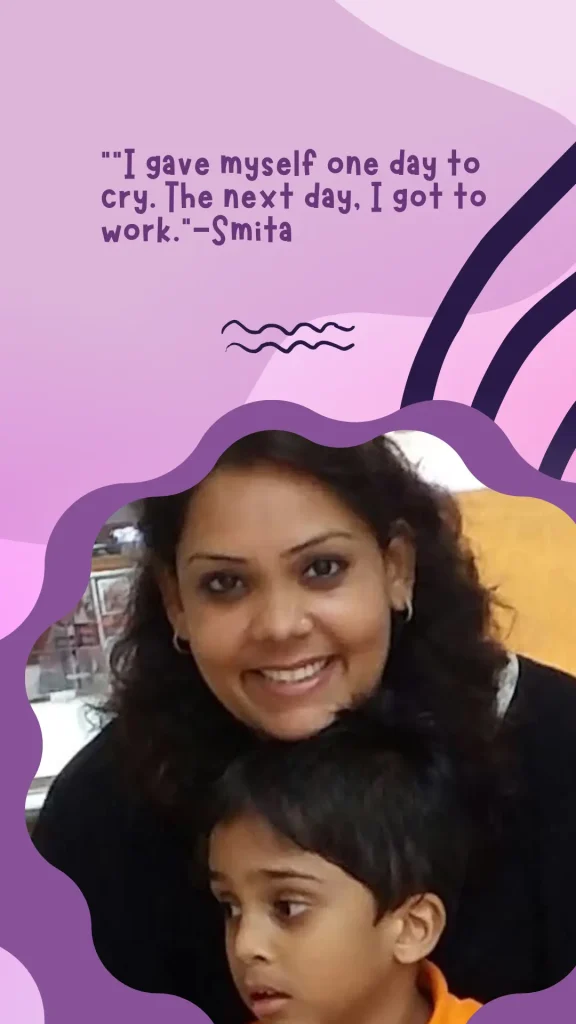
The day we received the diagnosis, I was devastated. But I also made a promise to myself. I told myself that I would allow myself one day to cry, scream, grieve and mourn. From the very next day, my focus would shift to understanding what needed to be done and how I could help my son.
Within fifteen days, I moved with him from Chennai to Pune to begin a journey into a world I had never imagined I would one day have to navigate.
Ancy: What helped you cope during the hardest seasons?
Smita: To be honest, I have often felt like a single parent. My husband struggled to accept the diagnosis and remained in denial for a long time, which meant much of the responsibility fell on me.
As the daughter of an Army officer, I grew up learning resilience and discipline. I decided very early on that if my son needed someone to fight for him, it would be me. Not simply because I was his mother, but because I had always been a fighter, and this was the most important fight of my life.
That determination kept me going through the hardest seasons.
Ancy: What kind of support did you wish had existed for parents earlier?
Smita: More than anything else, I wish I had received emotional support from my husband, my in-laws and even my own parents.
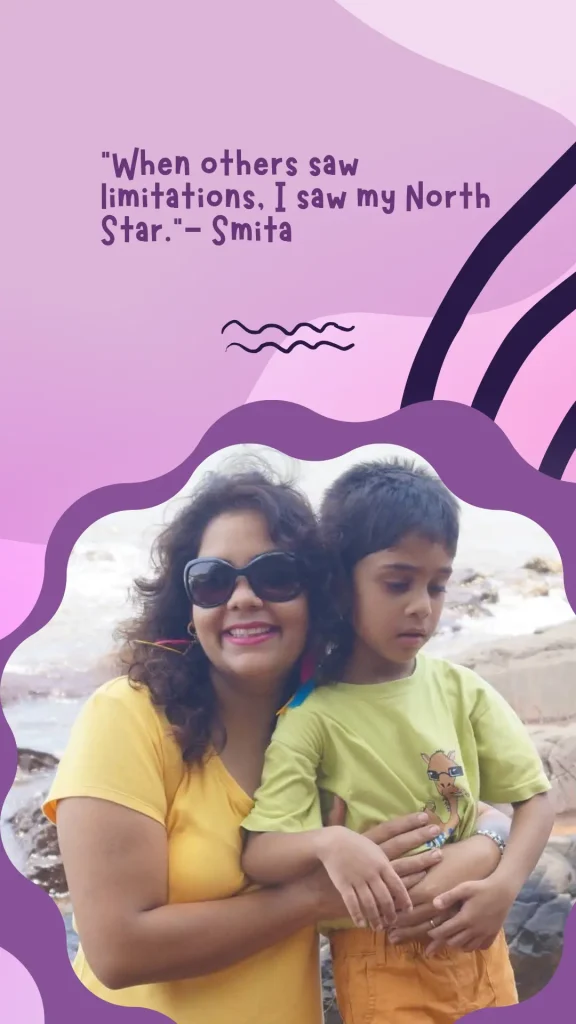
There was a time when my father suggested that I place my son in a residential institution for children with special needs because he believed there was little hope for improvement. Those words were deeply painful to hear. But somewhere deep inside, I always believed that my son was extraordinary. He was not just “special” in the label society gives him, he was truly special. He remains my North Star.
We can fight the toughest battles outside our homes. But when your own home does not provide emotional safety, comfort and understanding, every challenge feels heavier. Technology and therapies continue to evolve, and over time there may be new ways to support your child. But nothing can replace the strength that comes from a family standing beside you with love and acceptance.
Ancy: How has parenting your child changed you as a person?
Smita: I often feel as though I have become an entirely different person.
I was a tomboy growing up, never afraid to stand up for myself. If someone harassed a girl, I wouldn’t hesitate to confront them. Fear was never part of my personality.
Motherhood changed me. I became calmer, far more emotional and much more compassionate. At the same time, I also became stronger. I developed a thick skin against criticism and insensitive comments because the fight was no longer about me, it was about protecting my child and advocating for every child with an intellectual disability.
Today, whatever work I choose to do, I ask myself one question: Will this make life better for my son and for other autistic children?
What began as my personal journey has now become a cause that gives purpose to everything I do.
Ancy: What sacrifices do families like yours quietly make that people rarely see?
Smita: Every parent makes sacrifices for their child. But the sacrifices made by parents of children with intellectual and developmental disabilities are often difficult for others to fully comprehend.
Your child becomes the centre of your world. Social outings become rare, and maintaining friendships and extended family relationships often takes a back seat. For many families, especially those raising an autistic child, one parent—often the mother, though not always—may step back from a successful career because the child requires constant care, therapies and support.
There is also a significant physical demand. Keeping up with your child’s energy levels, supporting their daily routines and helping them regulate can be exhausting. Even the family’s eating habits and daily schedules often change to meet the child’s needs.
Caregiving is emotionally demanding. There are moments of immense joy, but there are also days of fatigue, anxiety and uncertainty.
Alongside all of this comes a considerable financial burden. Therapies, medical consultations, specialised education and interventions are expensive, and government support remains limited. In most cases, families shoulder these costs on their own.
As a mother, I have often felt that there are no real breaks. In my own experience, I have rarely been able to step away because my husband found it difficult to manage our son’s needs independently. Parenting a child with autism is a lifelong commitment. While it comes with extraordinary challenges, it is also filled with moments that redefine love, resilience and hope in ways I could never have imagined.
Ancy: What are the biggest day-to-day challenges your family faces, emotionally, financially, socially or educationally?
Smita: The challenges are constant and multifaceted.
There is the physical exhaustion of meeting my son’s daily needs, the emotional strain that comes with caregiving, and the rising cost of education, vocational programmes and therapies, which increase year after year.
Attending social gatherings is rarely spontaneous. Every outing requires planning and preparation, and sometimes we choose not to go at all because it feels overwhelming.
One of the biggest sacrifices many families make is that one parent, most often the mother, is unable to continue working or earning because the child requires continuous care and support.
Ancy: How do you balance therapies, school, work, marriage, siblings and your own mental health?
Smita: Parenting a child with autism doesn’t come with a handbook. More often than not, the responsibility of raising the child falls largely on the mother.
I have navigated every stage of my son’s journey almost entirely on my own. I took him for his diagnosis and all his medical procedures, met with developmental paediatricians, travelled long distances for therapies, followed every therapy schedule at home, dropped him to school, picked him up, stayed with him during his 17-day Ayurvedic hospitalisations twice a year, and administered his Ayurvedic medication every single day for eight years without missing a dose.
When my son was diagnosed with autism, I left a successful, well-paying career without a second thought because he needed me more than my job did.
I did try to rebuild my career through independent ventures, including setting up a patisserie and taking on online assignments. However, without a strong support system, it became extremely difficult to sustain those efforts. The lack of physical, emotional and practical support also took a toll on my marriage.
Yet, I have always considered myself a fighter. I have cried, grieved and mourned, but I have also found the strength to stand up again. Along the way, I began offering emotional support to other mothers walking a similar path, and in helping them, I found healing for myself.
Despite many setbacks and failed attempts to restart my career, I continue to face each new day with hope. I am constantly thinking of new ways to rebuild my professional life and become financially independent once again.
Ancy: What practical routines, tools or habits genuinely help your child thrive?
Smita: Children with autism often thrive on routine. Create a predictable schedule and, whenever there are changes, prepare your child in advance by explaining what is going to happen.
Never underestimate your child’s understanding. Even if your child is non-verbal, it does not mean they do not understand. Many people assume that a non-verbal child is unaware of what is happening around them, but these children often comprehend far more than we realise. Keep talking to your child. They are listening, learning and absorbing.
Repetition is essential. Repeat instructions, routines and skills as many times as necessary. Don’t give up. Consistency is one of the greatest gifts you can give your child.
Celebrate every small victory. What may seem like a simple habit to others can be a huge achievement for a child with autism. Applaud every milestone, even if no one else understands its significance. Your child certainly will.
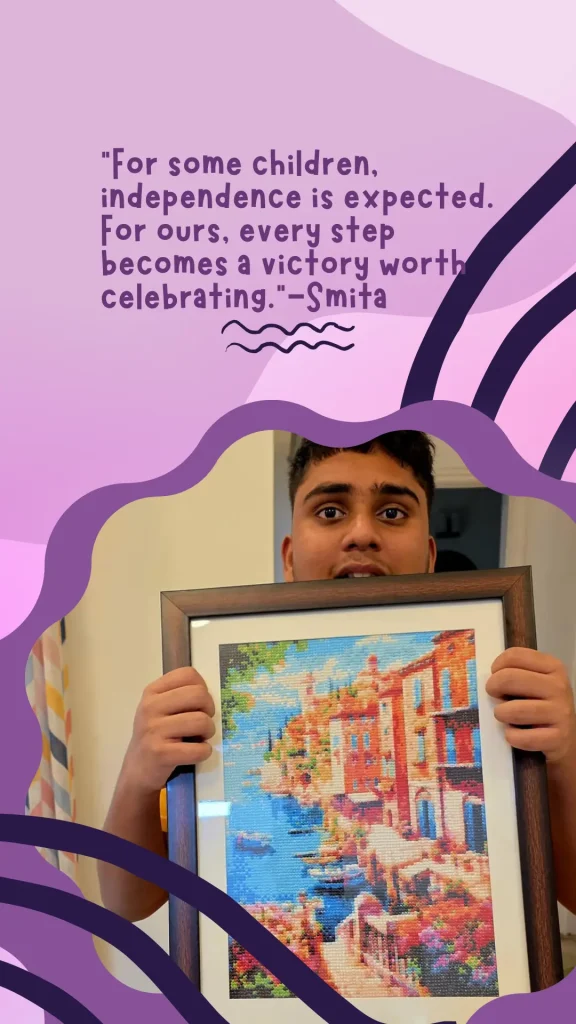
Work towards independence in every aspect of daily life. Whether it is sleeping independently, brushing teeth, bathing, getting dressed, crossing the road safely, boarding the school bus or eating without assistance, believe that your child is capable of learning. Teach patiently, practise every day and trust the process.
Ancy: What has inclusion looked like in schools, playgrounds, birthday parties or public spaces?
Smita: To be honest, inclusion is still a work in progress. Many people remain unaware of intellectual and developmental disabilities.
There have been times when I have sensed that people viewed my son as someone who did not belong in public spaces, as though he should remain confined to his home rather than participate in society. Such attitudes are deeply hurtful and reflect how much awareness is still needed.
Special schools have certainly played an important role, but there is still a long way to go. In Pune, my son attended a special school that gave him admission, but it never truly recognised or nurtured his talents. It focused primarily on academics and routine rather than helping him discover his strengths.
After moving to Bengaluru and joining BGCT, everything changed. They encouraged his creativity, introduced him to vocational learning and gave him the confidence to explore his abilities. They gave him wings to fly. Today, he genuinely looks forward to going to his vocational centre every day.
Although playgrounds and play areas are widely available, neuro-typical children are rarely taught how to interact with neuro-divergent children. That lack of awareness often makes social gatherings and public spaces challenging for families like ours.
Ancy: What changes in public infrastructure or services would make daily life easier for your child?
Smita: Public spaces need to become truly inclusive. Parks should have accessible and inclusive playgrounds where children of all abilities can play together. Just as airports and malls provide feeding rooms for infants, there should also be quiet or calming spaces for children and adults who may become overwhelmed by sensory stimulation.
Schools, both public and private, should have specialised classrooms where needed, trained staff and accessible learning materials that support not only academic learning but also vocational education and life skills.
Public transport should be made more accessible, with clear pictorial signage and audio-visual cues to help individuals with intellectual and developmental disabilities navigate independently. Airport and airline staff should receive specialised training to better support neuro-divergent passengers and their families.
One of the biggest gaps today is health insurance. Very few insurance providers offer adequate coverage for autistic individuals. Autism is a neuro-developmental condition, not a disease, and autistic people deserve equitable access to insurance and healthcare without discrimination.
We also need stronger public policies that are designed around the needs of individuals with disabilities. Financial assistance for therapies would make an enormous difference, or at the very least, these essential services should be made more affordable. Above all, sustained public awareness campaigns are needed to build understanding, acceptance and inclusion across society.
Ancy: What laws, policies, or systems do you wish more people understood or advocated for?
Smita: Unfortunately, we already have several policies designed to support children with intellectual disabilities. However, there is still very little awareness about them. On top of that, the system is often so cumbersome that accessing these benefits involves long waits due to bureaucratic delays and gaps in implementation.
I believe people should advocate not only for stronger awareness of these policies but also for their strict implementation. Policymakers and implementing authorities should be held accountable when these provisions are not implemented effectively or when unnecessary delays prevent families from accessing the support they are entitled to.
Ancy: What does “equal rights” truly mean for your child in education, healthcare, employment and society?
Smita: For me, equal rights begin with my child being seen as no less than any neuro-typical child. He deserves the same dignity, respect and opportunities as everyone else.
He should have access to quality education, good healthcare and health insurance without discrimination. Society must move beyond sympathy and instead choose understanding, empathy and inclusion.
Supporting neuro-divergent individuals is not just the responsibility of their families, it is a collective responsibility. I understand that every individual has different strengths and support needs. That is why we need meaningful skill-building opportunities and workplaces that provide inclusive, supportive environments where neuro-divergent individuals can contribute with dignity and confidence.
Ancy: If you could speak directly to policymakers, educators and society in one room, what would you say?
Smita: I would urge them to ensure that the policies that already exist are implemented effectively, rather than remaining only on paper.
Alongside that, awareness programmes should be conducted for parents across both rural and urban India so that families know what support is available and how to access it.
I would also request that affordable, or ideally free, facilities be established in remote and rural areas so that children with disabilities are not confined to their homes simply because services are unavailable.
There should be structured vocational and skill-development programmes for individuals with disabilities. At present, much of this responsibility falls on NGOs, many of which depend heavily on corporate funding. This makes their work uncertain and limits the number of families they can support.
There is also a need for well-monitored residential facilities for young adults undergoing vocational training, along with appropriate financial support. Children from economically disadvantaged families should have access to free or subsidised therapies so that financial circumstances do not determine the quality of care they receive.
Ancy: What dreams do you have for your child’s future, not society’s expectations, but your own?
Smita: More than anything else, I want my son to continue doing what brings him joy. He loves crafting and has an incredible talent for mosaic art and painting.
As a chef, I dream of opening a creative studio café where people can come not only to enjoy good food and coffee but also to learn different forms of art in a warm, welcoming environment.
My biggest dream is to create a space where individuals with intellectual and physical disabilities work alongside everyone else, not because someone feels sorry for them, but because their talent, creativity and abilities are recognised and valued.
Ancy: What message would you give another parent who has just begun this journey and feels afraid?
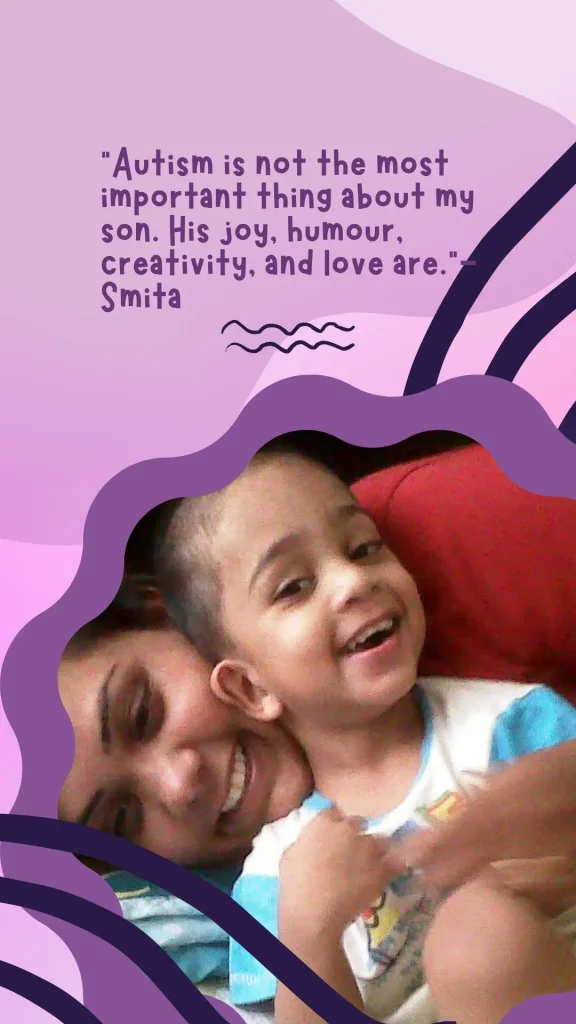
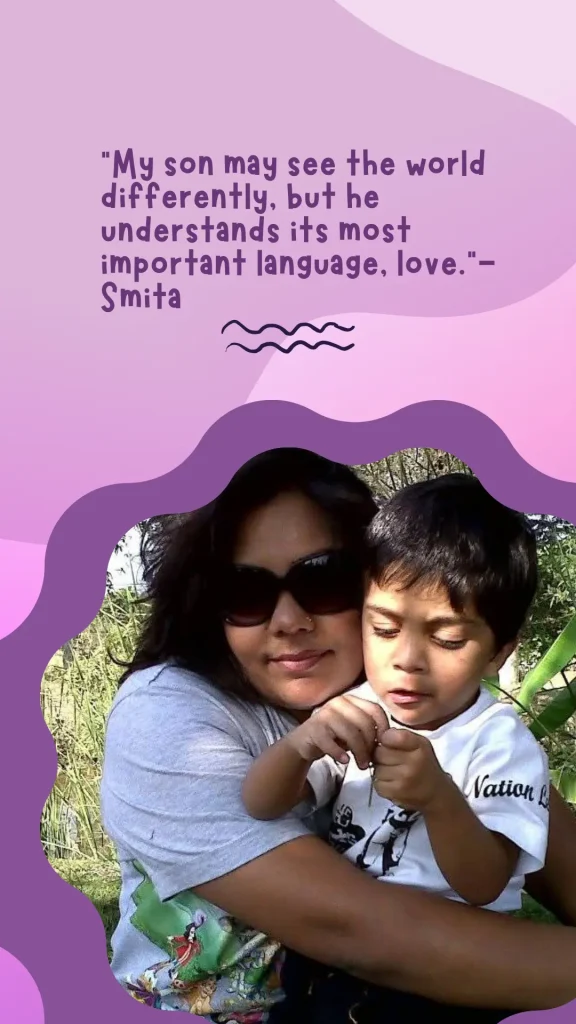
Smita: I want every parent to know that your child is not special simply because they have an intellectual disability. They are special because they are truly unique individuals who enrich our lives in ways we may never have expected, teaching us empathy, patience, and unconditional joy.
They may experience and understand the world differently from you and me, but they also see it through a lens that many of us lose as we grow older—a lens of pure love.
The journey is not easy. There will be days when you feel exhausted, heartbroken and overwhelmed. But it is also a journey filled with extraordinary moments. Every small milestone will feel like a huge achievement.
So never give up on your child. Believe in them, celebrate every step forward and trust the journey.
About the Author:
Ancy James

Ancy James is a journalist, feature writer and storyteller whose work has, over the years, explored health, wellness, parenting, midlife, resilience and the many ways ordinary people navigate extraordinary circumstances.
Through Raising Rainbows, she turns the microphone towards parents raising children who experience the world differently, creating space for their fears, hopes, struggles, victories and dreams to be heard beyond a diagnosis or label.
She writes this series because every child deserves to be seen first for who they are, and every parent deserves to know they are not alone.
For Ancy, Raising Rainbows is about honest conversations that can replace assumptions with understanding, sympathy with respect, and labels with stories.