Effective management of fatty liver disease is achievable through dietary modifications, exercise, and lifestyle changes, emphasizing a plant-based diet and weight management.
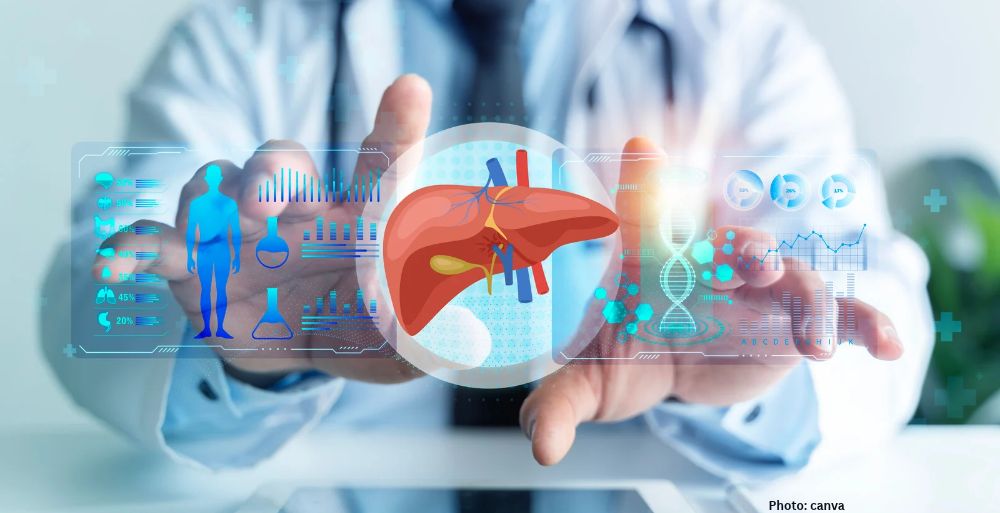
Fatty liver disease, characterized by excessive fat accumulation in the liver, has emerged as a significant public health concern, affecting millions globally. According to the American Liver Foundation, approximately 25% of adults in the United States suffer from non-alcoholic fatty liver disease (NAFLD), a condition that can lead to more severe liver damage, including cirrhosis and liver cancer. Effective management typically involves a combination of dietary adjustments, exercise, and lifestyle changes aimed at reducing body weight and improving liver health.
Understanding Fatty Liver Disease
Fatty liver disease can be categorized into two main types: alcoholic fatty liver disease (caused by excessive alcohol consumption) and non-alcoholic fatty liver disease (NAFLD), which is linked to obesity, diabetes, and metabolic syndrome. The underlying issue in many cases of NAFLD is insulin resistance, where the body produces insulin but does not utilize it effectively, leading to elevated blood glucose levels. The liver then converts this excess glucose into fat, contributing to fatty liver.
Dietary Recommendations for Liver Health
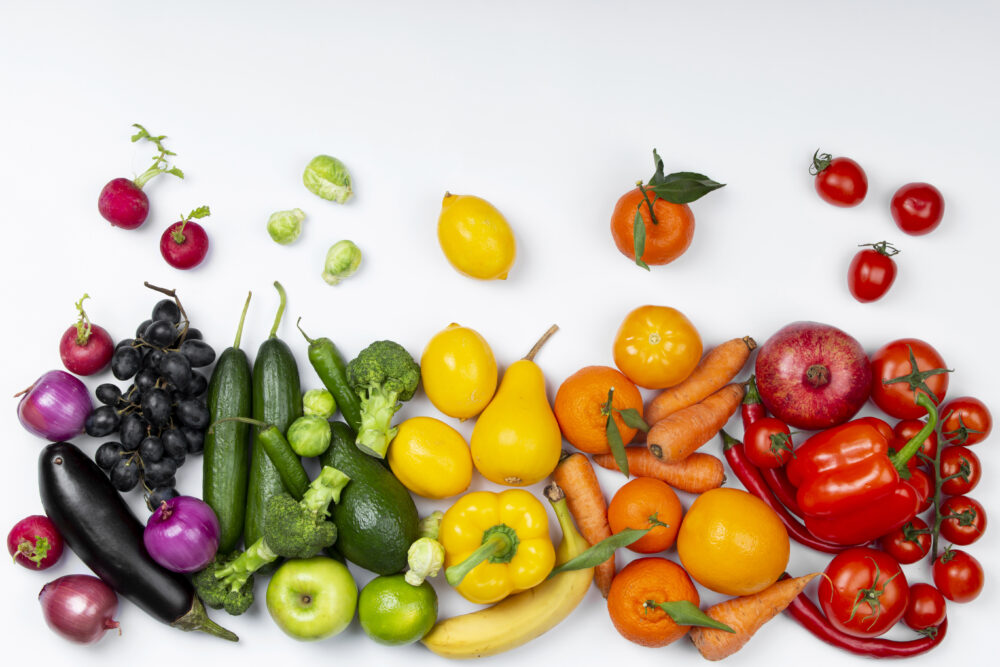
The primary focus in treating fatty liver disease is achieving a healthy weight through diet. Experts often recommend adopting a Mediterranean diet, which, although not specifically created for fatty liver disease, incorporates foods known to promote liver health. This eating style emphasizes:
- Fish and seafood
- Fruits
- Whole grains
- Nuts
- Olive oil
- Vegetables
- Avocados
- Legumes
These food choices contribute to overall well-being and specifically help manage insulin resistance. Research indicates that diets rich in plant-based foods enhance insulin sensitivity, helping to regulate blood sugar levels more effectively.
Fats: The Good and the Bad
In managing fatty liver disease, the type of dietary fats consumed is crucial. Omega-3 fatty acids, found in fatty fish (such as salmon and sardines), flaxseeds, and walnuts, are beneficial as they can improve insulin sensitivity. Additionally, monounsaturated fats, abundant in olive oil, avocados, and nuts, are encouraged.
Conversely, individuals with fatty liver should avoid saturated fats, which can exacerbate fat accumulation in the liver. Foods to limit include:
- Poultry, except for lean white meat
- Full-fat dairy products
- Red meat
- Baked goods and fried foods made with palm or coconut oils
- Sugary items like candy and regular soda
Incorporating Antioxidants
Oxidative stress caused by the accumulation of fat in the liver can damage liver cells. Antioxidants can help mitigate this damage. Foods rich in antioxidants that are beneficial for liver health include:
- Coffee
- Green tea
- Raw garlic
- Berries
- Leafy greens
- Vitamin E sources, such as sunflower seeds and almonds
These foods not only aid in liver health but also contribute to overall metabolic function.
Exploring Dietary Supplements
Research is ongoing into the effectiveness of various supplements for liver health. Some supplements include:
- Goji berries: Traditionally used in Chinese medicine, some studies suggest that they may help with weight management.
- Resveratrol: Found in red grape skins, this compound may help control inflammation, although results vary based on dosage.
- Selenium: Present in foods like Brazil nuts and tuna, selenium is essential for liver function, but most individuals get sufficient amounts from their diet.
- Milk thistle: Known for its active component silymarin, research on its effectiveness remains inconclusive.
- Berberine: A plant used in traditional medicine, initial studies indicate it may help manage cholesterol and blood sugar, but more research is needed.
Individuals should consult with their healthcare provider before adding any supplements to their regimen, as interactions with medications or adverse effects may occur.
Physical Activity and Weight Management
Weight loss is a critical component of managing fatty liver disease. Studies suggest that losing as little as 5% of body weight can significantly reduce liver fat. More substantial weight loss, between 7% and 10%, may lower inflammation and help reverse liver damage. It is advisable to pursue gradual weight loss—approximately 1 to 2 pounds per week—to avoid complications associated with rapid weight loss. For those struggling with weight loss, healthcare professionals may recommend surgical options as part of a comprehensive treatment plan.
Incorporating regular aerobic exercise is vital for reducing liver fat. Engaging in moderate to high-intensity aerobic activities for at least 30 to 60 minutes on most days can improve liver function. Strength training exercises, such as weight lifting, are also beneficial and should be included in a comprehensive fitness routine.
Managing Underlying Health Conditions
Individuals diagnosed with fatty liver disease must also manage any underlying health conditions, particularly diabetes. Adherence to prescribed medications and regular monitoring of blood glucose levels are essential for maintaining overall health. A balanced, plant-based diet, coupled with regular exercise, can help regulate cholesterol and triglyceride levels, further supporting liver health.
As fatty liver disease continues to pose a substantial health risk, understanding the interplay between diet, exercise, and lifestyle choices is crucial for effective management. Individuals seeking to reverse or mitigate the effects of this condition should work closely with healthcare providers to develop personalized strategies that promote liver health and enhance overall quality of life.