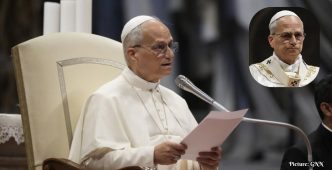
Since its release in May 2026, Pope Leo XIV’s encyclical on artificial intelligence, Magnifica Humanitas, is gaining traction among influential figures like Bill Gates and Congressman Ro Khanna, who advocate for its ethical principles, while critiques persist regarding its regulatory implications.
Pope Leo XIV’s encyclical, titled Magnifica Humanitas, has emerged as a significant document addressing the ethical dimensions of artificial intelligence (AI) since its publication in May 2026. The encyclical articulates a vision for AI that emphasizes the importance of human dignity and ethical considerations in the face of rapidly advancing technology. Notably, high-profile figures in the tech sector, such as Microsoft co-founder Bill Gates, have expressed support for the document, highlighting its potential to shape discussions around AI and its societal impacts.
In a detailed essay published on August 26, Gates underscored the role of religious leaders in tackling the ethical questions posed by AI advancements. He stated, “I was fascinated by Pope Leo XIV’s encyclical on AI. It lays a strong foundation for the work that needs to be done.” Gates emphasized that religious figures, who reflect on the essence of humanity, can offer valuable perspectives as society grapples with the implications of machines that can surpass human cognitive abilities.
Historical Context and Its Significance
The release of Magnifica Humanitas occurs at a critical juncture, echoing themes from Pope Leo XIII’s 1891 encyclical Rerum Novarum, which analyzed the societal implications of the Industrial Revolution. While the earlier encyclical examined the struggles of workers in an industrialized world, Magnifica Humanitas arrives amid the burgeoning digital revolution, characterized by the pervasive influence of AI across various sectors. The document’s relevance is underscored by the rapid growth of Silicon Valley and its concentration of power within the tech industry, making the encyclical’s ethical considerations particularly timely.
The modern digital landscape allows for instantaneous dissemination of ideas, providing a platform for the teachings of the encyclical to permeate discussions about technology and policy. This context is vital, as it positions the document not only as a religious text but as a potential framework for ethical governance in the tech sector.
Political Engagement and Legislative Influence
California Congressman Ro Khanna has emerged as a key advocate for the encyclical’s principles, reflecting its resonance within political discourse. Representing a district that includes the headquarters of major tech companies, Khanna co-led a congressional delegation to the Vatican to meet with Pope Leo XIV last month. Following this engagement, he reached out to CEOs of significant tech firms—including Amazon, Apple, and Microsoft—with letters urging them to consider how their technologies align with the ethical guidelines proposed in the encyclical.
In his correspondence, Khanna articulated the central themes of the encyclical, emphasizing “human dignity and equality” as foundational principles. He asserted that AI should enhance human capabilities rather than replace them, a stance that aims to integrate ethical considerations into the development of technology. His proactive approach indicates a legislative interest in fostering a dialogue that bridges technological advancement with moral responsibility.
Responses from the Tech Community
While many have rallied behind the encyclical, it has also faced skepticism and criticism from parts of the tech community. Billionaire investor Peter Thiel, known for his roles in companies like PayPal and Palantir, dismissed the encyclical’s calls for AI regulation, likening the pope’s stance to that of a “Chinese communist agent.” This comment reflects a broader concern among some tech leaders about the implications of increased regulation on innovation and economic growth.
David Sacks, former advisor to President Trump and current co-chair of the President’s Council of Advisors on Science and Technology, acknowledged the encyclical’s focus on human dignity but voiced apprehension regarding government oversight of AI development. He cautioned that while aiming for safety, such regulations could lead to overreach, potentially enabling censorship and surveillance, reminiscent of dystopian narratives like George Orwell’s 1984.
Despite these criticisms, the endorsements from Gates and Khanna suggest that the encyclical is resonating within influential circles, potentially catalyzing a shift toward more ethically grounded discussions about AI. This engagement indicates a growing recognition of the need for a moral compass in navigating the complexities introduced by AI technology.
Global Implications and Future Considerations
The extensive nature of Magnifica Humanitas, comprising over 42,000 words, signifies that its insights will require time for thorough contemplation by global leaders and policymakers. German Chancellor Friedrich Merz, a Catholic, has expressed intentions to read the encyclical during his summer vacation, highlighting its anticipated influence on international discussions regarding AI governance.
As the dialogue surrounding artificial intelligence continues to evolve, the ethical perspectives articulated in Magnifica Humanitas may play a crucial role in shaping the policies and practices that govern AI’s integration into society. The sustained involvement of figures like Gates and Khanna signifies that the encyclical’s themes are likely to remain pertinent in ongoing conversations about the future of technology and its impact on humanity. The intersection of faith, ethics, and technology presents a significant avenue for shaping a responsible approach to the challenges posed by AI.