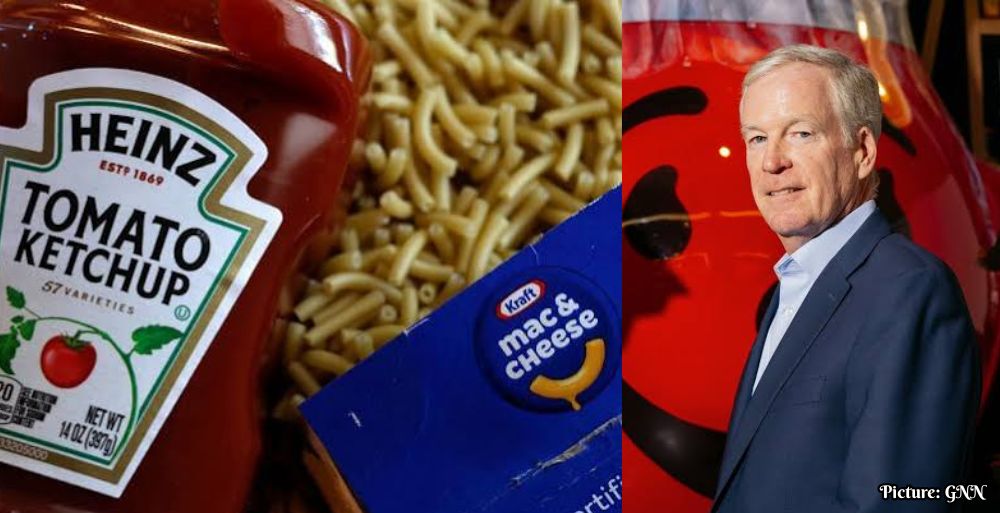
Executives from Kraft Heinz, McDonald’s, and Whirlpool have raised alarms about the financial stability of American consumers, citing inflation and rising interest rates as primary concerns affecting spending.
In a critical assessment of the current economic landscape, chief executives from prominent corporations including Kraft Heinz, McDonald’s, and Whirlpool have expressed serious concerns regarding the financial health of American consumers. On August 16, 2026, these leaders highlighted the pressing issue of declining consumer purchasing power, which they argue is essential for sustaining economic growth in the United States.
The executives pointed out that American consumers, who have historically been a cornerstone of economic vitality, are facing unprecedented financial pressures. Kraft Heinz CEO Miguel Patricio conveyed a stark reality, stating that many consumers are “running out of money.” This statement underscores the ongoing impact of sustained inflation, which has markedly affected household budgets across various income levels. Similarly, McDonald’s CEO Chris Kempczinski noted a palpable shift in consumer behavior, observing that families are increasingly tightening their financial belts as they navigate rising costs.
Current Economic Landscape
The economic pressures on consumers have intensified in recent years, characterized by elevated inflation rates and tightening monetary policy. According to data from the Bureau of Labor Statistics, consumer prices have seen annual increases between approximately 3% and 4%, contributing to a rising cost of living that has outpaced wage growth for many households. In response to these inflationary pressures, the Federal Reserve has implemented a series of interest rate hikes aimed at curbing inflation, further complicating the financial landscape by increasing borrowing costs and limiting access to credit.
This financial strain is particularly consequential in the aftermath of the COVID-19 pandemic, during which consumer spending was a driving force behind economic recovery. The initial post-pandemic surge in demand led to increased sales for many businesses, but as disposable incomes have dwindled—especially among middle- and lower-income families—companies are now beginning to encounter the adverse effects of reduced consumer spending.
Changing Spending Patterns
Amid these economic challenges, executives have noted a significant shift in consumer spending habits. Marc Bitzer, CEO of Whirlpool, highlighted that families are prioritizing essential purchases over discretionary spending. This shift is indicative of a broader trend where consumers are increasingly focused on necessity items, a change that could reverberate across various sectors beyond just household appliances.
The urgency of these concerns is reflected in recent retail sales data, which indicated a 0.5% decline in July 2026 compared to the previous month—the first such drop in several months. This decline suggests a growing apprehension among consumers as they grapple with rising expenses for everyday necessities, ranging from groceries to utility bills.
Implications for Businesses and the Broader Economy
The ramifications of a downturn in consumer spending are extensive, particularly for businesses that rely heavily on discretionary expenditures. Companies in sectors such as dining and retail may experience diminishing sales, prompting a reevaluation of their operational strategies to adapt to the changing economic climate. For instance, McDonald’s has recently introduced value-focused menu options to cater to budget-conscious consumers, a clear response to the evolving financial priorities of their customer base.
Furthermore, the warnings issued by these corporate leaders illuminate the intricate link between consumer behavior and the overall economic health of the nation. Economists caution that a sustained decline in consumer spending could usher in a broader economic slowdown, adversely affecting job growth and corporate profitability. The National Retail Federation has projected that growth in retail sales may decelerate to between 2% and 3% in the coming year if current trends persist, indicating a potential contraction in economic activity.
Future Considerations
As these economic challenges continue to unfold, corporate executives are advocating for a proactive approach to safeguard their businesses and consumer welfare. Emphasizing the need for value-driven offerings and adaptability to evolving consumer preferences will be crucial for companies striving to maintain profitability in a tightening economy. Additionally, policymakers may need to contemplate further measures to support consumers, such as targeted financial assistance or tax relief initiatives aimed at stimulating spending and invigorating economic activity.
In conclusion, the outlook for American consumers appears increasingly precarious as inflation and rising costs continue to squeeze household budgets. The apprehensions articulated by executives from major corporations reflect a broader narrative that underscores the critical role of consumer spending—a vital driver of the U.S. economy—that is now facing significant threats. This situation necessitates close monitoring and a collaborative response from both the business sector and policymakers to mitigate potential economic fallout.