Iran’s recent list of demands for the reopening of the Strait of Hormuz introduces significant challenges to international maritime negotiations, raising concerns over regional stability and global oil supply.
TEHRAN, Iran — In a strategic maneuver that may complicate ongoing negotiations regarding the reopening of the Strait of Hormuz, Iranian authorities unveiled a comprehensive set of demands on Wednesday. This announcement follows a series of confrontations in the region that have triggered heightened concerns about security and economic stability in one of the world’s most critical shipping corridors.
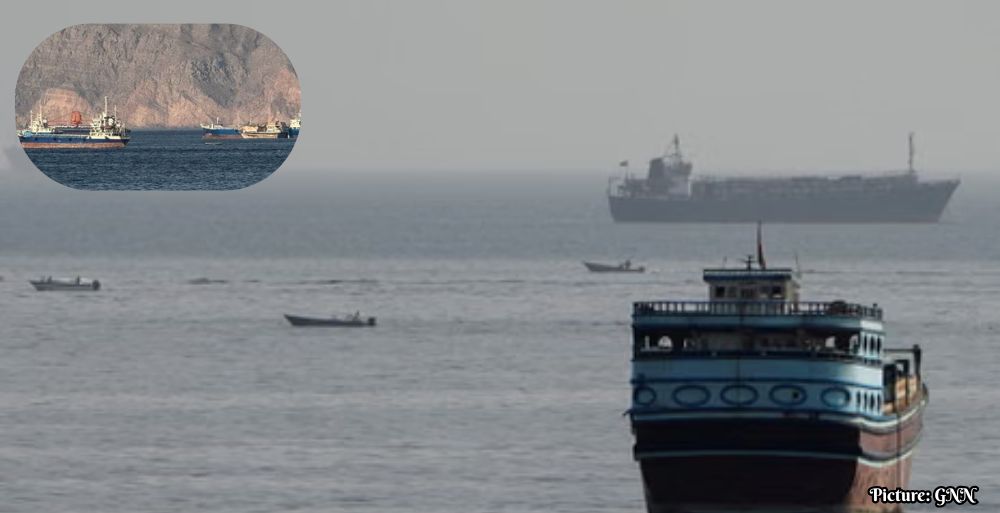
The Strait of Hormuz is a vital passage for global oil trade, with approximately 20% of the world’s oil supply flowing through it. This narrow waterway connects the Persian Gulf with the Gulf of Oman and serves as the primary export route for oil-rich nations, including Saudi Arabia, Iraq, and the United Arab Emirates. Disruptions in this corridor could lead to significant fluctuations in global oil prices, affecting economies worldwide, particularly amid the current geopolitical tensions.
Context of the Demands
The Iranian government has articulated its conditions for reopening the strait in direct response to ongoing military exercises by the United States and its allies in the region. Iranian officials assert that these military activities pose a threat to their national security, prompting a call for their immediate cessation. The list of demands includes:
- A commitment from U.S. and allied forces to halt military exercises in the Gulf region.
- The establishment of a joint maritime security framework involving regional stakeholders.
- Assurances regarding the protection of Iranian shipping interests.
President Ebrahim Raisi emphasized the importance of “mutual respect and recognition of sovereignty” among nations operating in the strait, framing this call for dialogue as essential for stabilizing the critical shipping lane. Over the past year, the strait has seen a notable rise in tensions, marked by incidents involving Iranian naval forces and foreign vessels.
Recent Incidents and International Response
The situation in the Strait of Hormuz has escalated in recent months, with high-profile incidents including the seizure of foreign oil tankers by Iranian forces and subsequent retaliatory actions by U.S. naval units. These confrontations have raised alarms among international shipping companies, leading to increased scrutiny from maritime insurance firms regarding the risks associated with operating in the area.
In light of these developments, U.S. officials have advocated for a coalition of nations to enhance security in the Gulf and ensure the free passage of vessels. The U.S. Navy has increased its presence, conducting patrols and military exercises aimed at deterring aggressive actions in the region. However, Iranian officials have criticized this strategy, asserting that it exacerbates tensions rather than alleviating them.
Economic Implications
The Strait of Hormuz is not only a focal point for military strategy but also an essential economic artery for global oil supply. According to the International Energy Agency, any disruptions in this region could lead to significant spikes in oil prices and could have knock-on effects for consumers and the global economy. For example, in 2020, the price of crude oil surged by nearly 10% following a temporary closure of the strait due to military skirmishes.
Market analysts are closely monitoring the situation, emphasizing the urgent need for diplomatic solutions to mitigate the potential fallout from further escalations. The ongoing negotiations regarding Iran’s nuclear program are intricately linked to these maritime tensions, as any potential sanctions relief could significantly influence Iran’s approach to its maritime activities. However, the current demands from Iran may obstruct progress in these negotiations.
Historical Context and Future Implications
The Strait of Hormuz has long been a flashpoint in U.S.-Iran relations, with past incidents dating back decades. The geopolitical significance of this passage has made it a focal point for both military strategy and economic policy. Previous confrontations, including the Iran-Iraq War and various naval skirmishes, have underscored the strait’s volatility and the high stakes involved for global energy markets.
The implications of Iran’s demands extend beyond immediate maritime security. As the international community grapples with these developments, the potential for renewed dialogue or further escalation looms large. The response from the global community, particularly major powers involved in the nuclear negotiations, will play a critical role in shaping the future of this vital maritime corridor. A failure to address Iran’s concerns could lead to a prolonged period of instability in the region, resulting in broader economic repercussions.
Conclusion
The issuance of Iran’s demands marks a significant turning point in the discourse surrounding the Strait of Hormuz, presenting hurdles for both regional stability and international negotiations. As stakeholders navigate this complex landscape of geopolitical interests, security concerns, and economic imperatives, the international community’s willingness to engage in constructive dialogue will be essential for determining the future of this critical maritime route. The evolving situation requires close monitoring, as both diplomatic efforts and military posturing will shape the strategic dynamics in the region in the months to come.