A comprehensive guide to U.S. Route 89, a scenic highway stretching over 1,300 miles from Arizona to Canada, featuring national parks, cultural sites, and recreational opportunities.
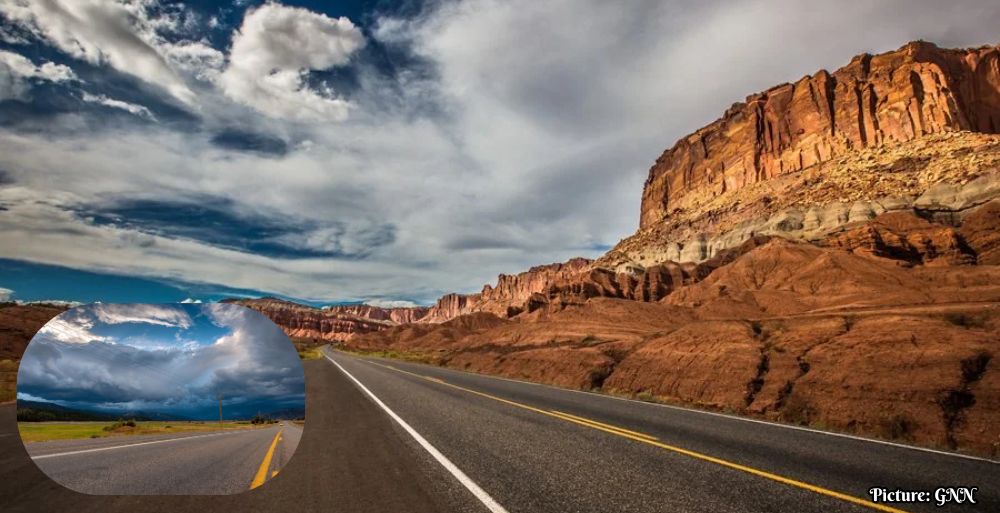
U.S. Route 89, often referred to as “America’s Most Scenic Road Trip” or the “National Park Highway,” spans more than 1,300 miles from Flagstaff, Arizona, to the Canadian border. This iconic route connects travelers to seven national parks, numerous national monuments, and state parks, making it a premier destination for road-trippers and nature enthusiasts alike.
Travelers embarking on this journey should allocate at least one to two weeks to fully experience the route. It is advisable to check park reservations and seasonal closures ahead of time, as well as download offline maps for areas with limited cell service. The journey along U.S. Route 89 offers a diverse array of attractions, including hot springs, historic towns, and Indigenous cultural sites, alongside the stunning natural beauty of the parks.
Historical Context and Significance
The highway was first opened to motorists in 1927, but its corridor has a much deeper history that dates back thousands of years. According to Vicky Derksen, the owner of USRoute89.com, “U.S. Route 89 tells an extraordinary story of geological history and human history.” The landscapes along the route have been inhabited by various cultures for approximately 10,000 years, contributing to the rich tapestry of human experience visible today.
Travelers will encounter numerous significant locations, including the Grand Canyon, Zion, and Yellowstone National Parks, all located within a manageable detour from the highway. Each park offers unique natural features and recreational activities, ensuring that visitors can find something that suits their interests.
Key Attractions Along U.S. Route 89
While the seven national parks are the primary draw, the route also features numerous other attractions that should not be overlooked. “People gravitate to the seven national parks along the route, but the national monuments and state parks should not be overlooked,” Derksen explained. Some notable highlights include:
- National Parks: The route passes near Saguaro, Grand Canyon, Zion, Bryce Canyon, Grand Teton, Yellowstone, and Glacier National Parks.
- Hot Springs: Scenic hot springs, such as Yellowstone Hot Springs in Gardiner, Montana, and Mystic Hot Springs in Monroe, Utah, provide relaxing respite for travelers.
- Film Locations: Iconic Western film locations can be found throughout the route, particularly in Kanab, Utah, known as “Little Hollywood,” where over 200 films were shot.
- Cultural Sites: Museums like the Moqui Cave in Kanab and the Museum of the Plains Indian in Browning, Montana, showcase Native American artifacts and cultural history.
Planning Your Trip
Driving the full length of U.S. Route 89 requires careful planning, especially considering the distance and the variety of attractions. Travelers should plan for at least seven to 14 days to traverse the entire route. However, it is also possible to focus on specific sections, particularly the park-rich stretch between Flagstaff, Arizona, and Livingston, Montana.
Before embarking, it is essential to check national park websites for up-to-date information on closures due to natural events, which can occur during fire season, flooding, or adverse weather conditions. Additionally, some parks, such as Glacier and Zion, require advanced reservations for certain activities, including access to popular trails. Booking accommodations in advance is also recommended, as lodging options near national parks fill up quickly during peak season.
Optimal Travel Seasons
Travelers are advised to plan their trips during periods when most national parks are accessible, typically between late summer and early fall, from late July through September. However, specific sections of U.S. Route 89 and national parks may have different peak seasons. Derksen notes, “U.S. Route 89 definitely has seasonality to it,” highlighting that regions north of Salt Lake City are best visited from late spring to fall, while areas south of Salt Lake are ideal from late fall through early spring.
Accommodation and Dining Options
Several towns along U.S. Route 89 offer a range of accommodations and dining experiences, making them ideal stops for travelers:
- Flagstaff, Arizona: Known as the gateway to the Grand Canyon, Flagstaff offers various dining and lodging options, including Shift Kitchen & Bar and the High Country Motor Lodge.
- Kanab, Utah: Close to Zion and Bryce Canyon, Kanab features unique hotels like Best Friends Roadhouse and an array of dining options focusing on local cuisine.
- Jackson, Wyoming: Located near Grand Teton and Yellowstone National Parks, Jackson is home to luxury accommodations and restaurants like Cafe Genevieve, known for its hearty breakfast options.
- Livingston, Montana: Situated along the Yellowstone River, Livingston provides outdoor activities alongside quality lodging, such as the historic Murray Hotel.
In summary, U.S. Route 89 serves as both a scenic highway and a gateway to a rich tapestry of natural beauty and cultural history. With careful planning and consideration of seasonal conditions, travelers can fully experience the diverse attractions that this remarkable route has to offer.