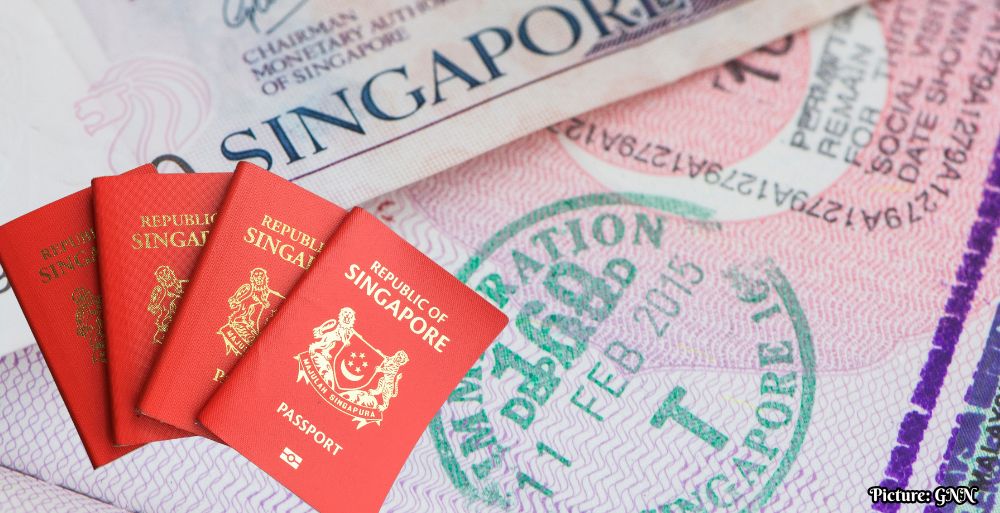
As of August 1, 2026, Singapore’s passport is ranked the most powerful globally, allowing visa-free access to 192 destinations. The United Arab Emirates has also seen significant improvements in its passport strength, reflecting broader shifts in global mobility dynamics.
On August 1, 2026, Singapore has officially claimed the title of having the world’s most powerful passport, providing its citizens with visa-free access to 192 destinations. This marks a substantial increase from 173 destinations reported in 2016, showcasing a decade of significant evolution in global mobility. The data, sourced from the Henley Passport Power Index, assesses passport strength based on the number of countries accessible without a prior visa.
2026 Global Passport Rankings
The passport rankings for 2026 reflect a notable shift in international travel dynamics, with Asian countries now at the forefront. Following Singapore, Japan, South Korea, and the United Arab Emirates (UAE) are tied for second place, each granting access to 188 destinations. Below is the complete ranking for 2026:
- Singapore – 192 destinations
- Japan – 188 destinations
- South Korea – 188 destinations
- United Arab Emirates – 188 destinations
- Norway – 186 destinations
- Switzerland – 185 destinations
- EU Countries* – 184 destinations
- United Kingdom – 184 destinations
- Malaysia – 183 destinations
- Australia – 183 destinations
- Canada – 183 destinations
- New Zealand – 183 destinations
- Liechtenstein – 181 destinations
- Iceland – 180 destinations
- United States – 180 destinations
- Monaco – 177 destinations
- Chile – 174 destinations
- Hong Kong – 174 destinations
- Andorra – 170 destinations
- Argentina – 169 destinations
This data highlights a significant transformation in the global hierarchy regarding travel freedom. In 2016, European countries dominated the rankings, with the EU average passport strength at 174 destinations. The United Kingdom and the United States were at 175 and 174 destinations, respectively. Currently, the rankings indicate a growing influence of Asian nations on international mobility.
The UAE’s Remarkable Ascent
The United Arab Emirates has made notable strides in enhancing its passport strength. Over the past two decades, the UAE’s passport has expanded its visa-free access from approximately 35 destinations to 188, representing a remarkable increase of 153 destinations. This transformation reflects a robust network of diplomatic agreements and international partnerships, as well as sustained economic growth. The UAE’s ascent in the passport rankings underscores its rising global stature and influence, highlighting a broader trend of increasing mobility among Gulf nations.
European Passport Strength
Despite the advancements made by Asian countries, European passports continue to hold strong positions on the global stage. Norway and Switzerland rank fifth and sixth, respectively, providing access to 186 and 185 destinations. The average strength of EU member states stands at 184 destinations, while the United Kingdom has matched this figure. North American passports, while gaining access to more destinations since 2016, have seen a decline in their rankings. Canada now allows access to 183 destinations, while the United States maintains access to 180 destinations.
Historical Context and Future Implications
The trends observed in these rankings reflect not only changes in passport strength but also broader geopolitical dynamics. The rise of Asian countries in terms of passport power correlates with their increasing economic influence and diplomatic efforts. Enhanced passport strength can facilitate improved trade relations, tourism, and international cooperation. As nations reassess their visa policies and international partnerships, the implications extend beyond travel convenience; they impact national security, economic growth, and diplomatic relations.
Moreover, the Henley Passport Power Index data illustrates a significant evolution in global mobility from 2016 to 2026, showcasing the rise of Asian countries and the UAE while emphasizing the ongoing strength of European passports. This transformation is indicative of shifting global power dynamics, as countries with robust economic and diplomatic infrastructures are rewarded with greater international travel privileges.
Conclusion
The findings from the latest passport rankings underscore the importance of international relations in shaping the landscape of global mobility and the competitive nature of passport strength. Countries that cultivate strong diplomatic ties and prioritize economic development are more likely to see their citizens enjoy enhanced travel freedom. This underscores the intricate relationship between passport strength and a nation’s global standing in an increasingly interconnected world.
In summary, as the global mobility landscape continues to change, the evolving hierarchy of passport strength will undoubtedly affect international relations and travel dynamics in the years to come. The case of Singapore and the UAE serves as a reminder of the potential for nations to enhance their global standing through strategic diplomatic efforts and economic growth.