
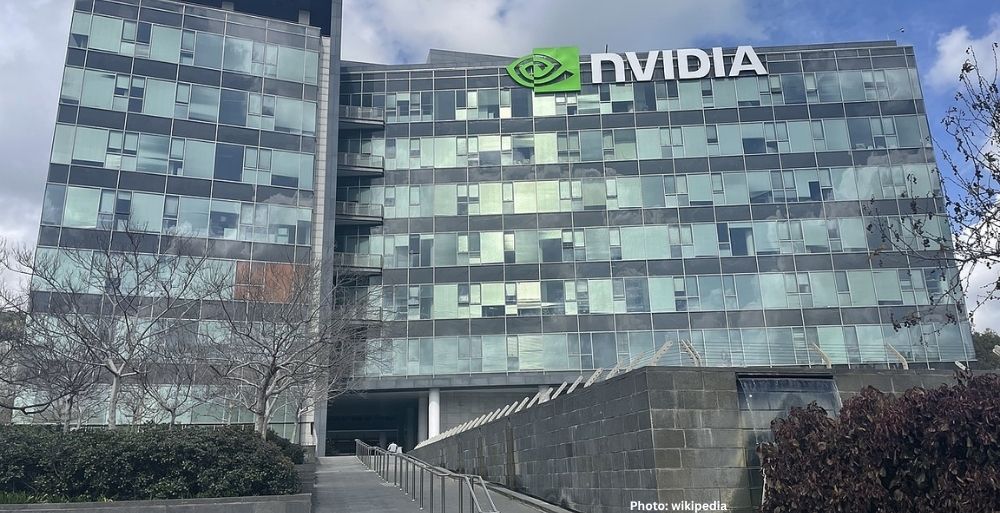
Nvidia is reportedly negotiating a financing package worth approximately $250 billion to support OpenAI’s development of a significant artificial intelligence data center in southern Ohio, which could be one of the largest infrastructure investments in the AI sector.
Nvidia, a leader in the graphics processing unit (GPU) market, is currently in negotiations to provide a staggering $250 billion in financing guarantees for OpenAI. This funding is intended to support the construction of a large-scale artificial intelligence (AI) data center in the United States, a development that could represent one of the most significant infrastructure investments in the burgeoning AI industry.
Proposed Financing Details
According to a report published by The Wall Street Journal, the proposed financing would facilitate OpenAI’s leasing of a 10-gigawatt data center campus being developed by SoftBank’s energy subsidiary in southern Ohio. The overall financial commitment for the project is expected to exceed $500 billion, which includes the costs associated with Nvidia’s advanced chips necessary for operating the facility. The financing package would specifically cover the lease and debt financing of the data center but would not encompass the expenses related to the AI chips themselves.
Nvidia is also exploring avenues to finance OpenAI’s chip purchases, which could total as much as $350 billion, further solidifying the partnership between the two companies. If these negotiations result in a finalized agreement, OpenAI would gain the capability to build and manage a larger portion of its own AI infrastructure. This development would significantly reduce its dependence on existing cloud service providers such as Microsoft, Amazon, and Oracle, enhancing its operational autonomy.
Strategic Implications for Nvidia and OpenAI
The implications of this financing arrangement are profound for both Nvidia and OpenAI. For Nvidia, securing long-term demand for its AI chips is paramount, as these chips are critical for training and deploying advanced AI models. This partnership not only ensures a steady stream of revenue but also positions Nvidia as a key player in the rapidly evolving AI landscape.
For OpenAI, the ability to manage its own infrastructure could lead to advancements in AI research and application, fostering an environment of innovation that could revolutionize various sectors. This transition towards self-sufficiency in infrastructure aligns with broader trends observed in the tech industry, where companies aim to reduce reliance on external cloud services amidst growing competition.
Investment Context and Future Prospects
The financing package is also anticipated to enhance investment frameworks that provide reassurance to lenders regarding the project’s fiscal viability. The initial phase of the Ohio data center is scheduled for completion by 2028, with an expected power capacity of approximately 800 megawatts. This phase marks a significant step forward in meeting the increasing energy demands of AI operations.
In addition, the report notes that the power supply for the project is regulated by the U.S. government and is funded separately by Japan. This funding is part of a recent trade agreement where Japan committed to investing $33 billion in a natural gas plant, highlighting the international dimensions involved in the project’s financing and operational infrastructure.
Collaborative Trends in the Technology Sector
This news emerges in the context of Nvidia’s recent engagements with South Korean conglomerates and other global technology firms, where they explored collaboration opportunities valued at around $950 billion. One of the initiatives discussed includes an agreement with SK Group to supply approximately $750 billion worth of high-performance semiconductors to various global technology companies, including Nvidia.
These discussions were part of a high-level meeting held in San Francisco, attended by prominent industry figures, including Samsung Electronics Executive Chairman Lee Jae-yong, SK Group Chairman Chey Tae-won, OpenAI CEO Sam Altman, and Nvidia founder and CEO Jensen Huang. The meeting reflects the growing cooperation among AI developers and semiconductor manufacturers, aimed at expanding next-generation computing infrastructure that can support the increasing demands of AI technology.
Broader Implications for the AI Industry
The potential investment by Nvidia into OpenAI’s infrastructure could signal a pivotal moment in the AI sector, illustrating a trend of substantial financial commitments aimed at enhancing AI technologies. As the demand for AI capabilities continues to surge across various sectors, investments of this scale could reshape the competitive landscape among technology firms and accelerate the development of cutting-edge AI applications.
The increasing interdependence between AI developers and semiconductor manufacturers underscores the critical role that infrastructure plays in the advancement of AI technologies. This collaboration may not only foster innovation but also lead to advancements that could significantly impact industries ranging from healthcare to finance, as AI becomes more integrated into everyday operations.
In conclusion, as Nvidia and OpenAI progress in their negotiations, the outcomes of this potential partnership will be closely watched by industry stakeholders. The implications extend beyond just financial investment; they touch upon the future of AI infrastructure, operational autonomy for AI companies, and the evolving dynamics of the tech industry as it adapts to the challenges and opportunities presented by advanced artificial intelligence.