The upcoming changes to U.S. immigration policies in 2026 are poised to significantly affect Indian students and professionals, altering visa durations, green card eligibility, and employment costs. These developments necessitate careful consideration for anyone planning to study or work in the United States.
The United States has long been a prime destination for Indian students and professionals seeking higher education and career opportunities. However, several significant changes to immigration policies, set to take effect in 2026, could have profound implications for these individuals. It is essential for prospective travelers and long-term residents to fully understand these updates as they plan their futures.
Fixed Time Limit Introduced for Student Visa Holders
In a notable shift, the U.S. Department of Homeland Security (DHS) is replacing the traditional “Duration of Status” (D/S) system with a fixed admission period for certain visa holders, including F-1 students, J-1 exchange visitors, and I visa holders representing foreign media. This new rule, effective September 15, 2026, will permit these individuals to remain in the United States only for the duration of their academic or exchange programs, capped at four years.
Additionally, the grace period that F-1 students previously enjoyed following the completion of their studies is being reduced from 60 days to 30 days. Students needing additional time to finalize their studies or transition into eligible programs will now be required to seek approval from U.S. Citizenship and Immigration Services (USCIS) and must file the appropriate extension application. This tightening of visa regulations is anticipated to create challenges for students navigating their post-graduation options, as they will need to act more swiftly to secure their status.
Green Card Applicants May Face Greater Scrutiny
The Trump administration is reintroducing a policy that could increase scrutiny for green card applicants, particularly those who have utilized public assistance programs. This policy mandates that immigration officials assess whether applicants are likely to become a “public charge.” Unlike previous guidelines that automatically disqualified applicants based on specific benefits, the new approach allows for individualized assessments based on a range of factors, including financial stability and personal circumstances.
This shift raises significant concerns among immigrant communities, as it introduces a subjective element into the green card application process. While proponents of the policy argue that it aims to protect American taxpayers and workers, critics contend that it may disproportionately affect those who rely on essential support systems, potentially discouraging individuals from seeking necessary assistance.
Increased Premium Processing Fees for H-1B and Other Applications
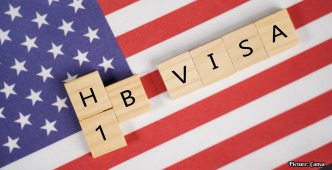
Another pivotal development is the increase in premium processing fees for various immigration applications. Starting March 1, 2026, USCIS will implement higher fees to reflect inflation adjustments occurring between June 2023 and June 2025. For employment-based petitions, including H-1B visa applications, the premium processing fee will rise from $2,805 to $2,965.
This increase in fees is likely to impact both foreign professionals seeking employment in the U.S. and their employers, particularly those who rely on expedited processing timelines. The added financial burden may complicate the hiring of foreign talent, as employers will need to consider these costs in their overall budget for sponsorship and recruitment.
Proposed H-1B Wage Increase Could Raise Hiring Costs
The U.S. administration has also proposed a significant increase in the minimum wages required for H-1B workers, suggesting a rise of approximately 30% across multiple wage categories. This proposal is framed as a measure to enhance protections for U.S. workers and to update wage thresholds that have largely remained static for the last two decades.
If enacted, this wage increase could lead to higher hiring costs for employers sponsoring foreign workers, potentially dissuading some companies from pursuing H-1B sponsorships. Such a shift could have a ripple effect on job availability for prospective immigrants, particularly in sectors heavily reliant on skilled foreign labor.
Why These Changes Matter for Indian Nationals
India is among the largest sources of international students and skilled professionals migrating to the United States. The impending changes to immigration policies set for 2026 could have far-reaching implications for educational plans, post-graduation opportunities, and visa-related expenses for Indian nationals. For those considering attendance at American universities or pursuing work visas and green card applications, it is crucial to remain informed about the evolving immigration landscape.
As these policy changes unfold, individuals are encouraged to seek expert guidance and prepare for the potential challenges and adjustments ahead. Understanding the full scope of these modifications will be essential for making informed decisions regarding education and employment in the United States, especially for those who view America as a land of opportunity.
Moreover, the changes could lead to shifts in the demographics of international students and professionals in the U.S., as potential applicants reassess their options in light of new regulations. The impact of these alterations may also resonate with policymakers and educational institutions, prompting discussions on how to adapt to a changing immigration climate.
The importance of these developments cannot be overstated, as they not only affect individual trajectories but also reflect broader trends in U.S. immigration policy. Stakeholders must remain vigilant and advocate for policies that balance the need for national security with the desire to attract global talent, ensuring that the U.S. continues to be a welcoming environment for international students and skilled professionals.