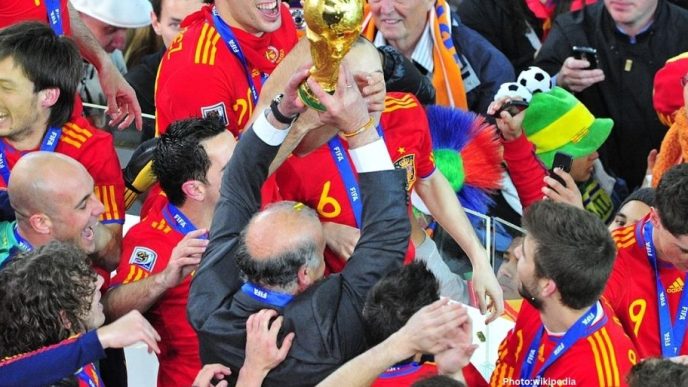
The FIFA World Cup 2026 will be historic, as champions will receive the first-ever championship rings, alongside traditional trophies and medals, marking a significant cultural integration in sports.
New Delhi, July 17, 2026 – In a landmark announcement, the Fédération Internationale de Football Association (FIFA) revealed that the champions of the FIFA World Cup 2026 will be awarded bespoke championship rings, a first in the tournament’s history. This move merges an iconic element of American sports culture with the global football tradition, signifying a new era for the World Cup.
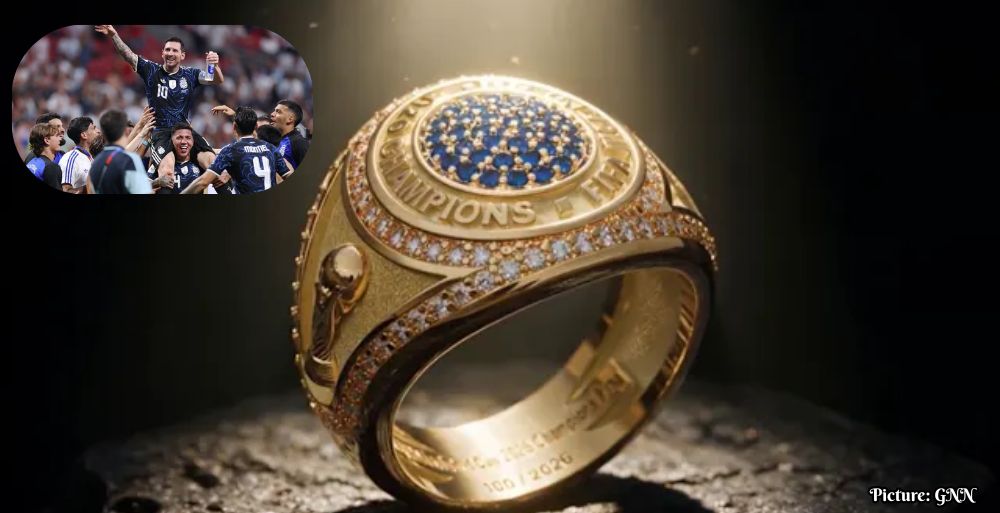
The championship rings will feature the FIFA World Cup trophy on one side, while the other side will be customized to reflect the unique identity of the winning team. Each ring will be uniquely numbered and tailored to fit its recipient, accompanied by a certificate of authenticity. This initiative represents not just a celebration of victory but also a significant cultural fusion, as championship rings are a well-established tradition in American sports, particularly within the National Football League (NFL) and Major League Baseball (MLB).
Details of the Championship Rings
Immediately following the final match, the captain and head coach of the victorious team will receive temporary rings to commemorate their achievement. These temporary rings will serve as a tangible recognition of their success on the day of the final. A total of 30 championship rings will subsequently be customized for the winning players and coaching staff, ensuring a perfect fit for each individual, thus solidifying their legacy in football history.
In total, the championship rings will comprise a strictly limited edition of 2,026 pieces—a number that pays homage to the year of the tournament. Of these, 30 rings will be awarded to the champions, while the remaining 1,996 rings will be made available to fans worldwide as an Official Licensed Product. This initiative not only allows devoted supporters the chance to own a piece of World Cup history but also enhances their connection to the event.
Final Matchups and Team Performance
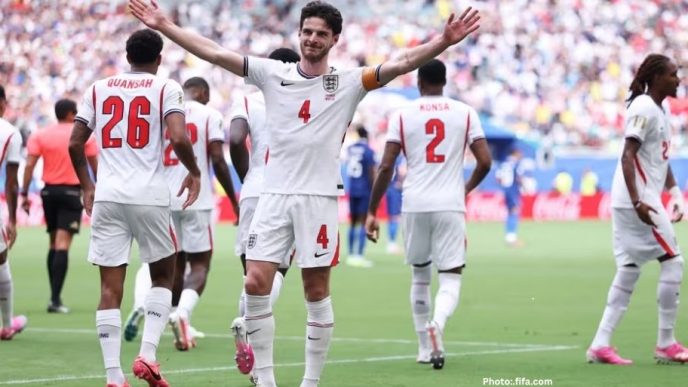
The final match of the FIFA World Cup 2026 is set to be a thrilling encounter between the European champions, Spain, and the defending world champions, Argentina. Spain reached the final after a stunning victory over the favored French team in the semi-finals, displaying exceptional tactical skill and resilience. Meanwhile, Argentina has navigated a challenging yet exhilarating path to the final, aiming for their second consecutive World Cup win and seventh overall.
Argentina’s success has been heavily influenced by the extraordinary contributions of their captain, Lionel Messi. As of the semi-final round, Messi leads the tournament with eight goals, extending his overall World Cup tally to 21 goals. His prowess on the field has been pivotal in guiding the team through both the group stages and knockout rounds, ensuring their place in the final against Spain.
The Significance of Championship Rings
The introduction of championship rings at the FIFA World Cup carries profound implications for the sport and its evolution. In many athletic contests, rings symbolize achievement, honor, and a tangible reminder of victory. By adopting this tradition, FIFA not only acknowledges the changing landscape of global sports culture but also appeals to a broader audience that values both tradition and innovation.
This initiative is likely to bolster fan engagement, as supporters will now have the opportunity to purchase a piece of this historic event. The limited availability of the rings—only 1,996 for fans—ensures their exclusivity, potentially increasing their value and the emotional connection fans have with the tournament. Such measures can serve to enhance the overall fan experience, creating more profound ties between supporters and the teams they cherish.
A Cultural Shift in Global Sports
The decision to incorporate championship rings into the FIFA World Cup is indicative of a broader cultural shift within global sports. Traditionally, football has relied on trophies and medals to signify achievement. However, the introduction of rings not only modernizes this aspect of the sport but also aligns football with other major global sports leagues that have long embraced this practice.
In the United States, championship rings are a longstanding tradition, celebrated for their craftsmanship and symbolism. By incorporating this into the World Cup, FIFA is moving towards a more integrated sporting culture that recognizes the global nature of sports fandom. This decision is also seen as a strategic move to attract a younger audience that values unique memorabilia and the emotional connection it fosters.
As the world eagerly awaits the final showdown, the introduction of championship rings adds an extra layer of excitement and significance to the FIFA World Cup 2026. The event promises to not only showcase the best of football talent but also commemorate the journey and achievements of the teams involved, marking a new chapter in the tournament’s storied history. With the final set to take place at Jersey Stadium, the anticipation continues to build as football fans around the globe prepare to witness this historic moment.