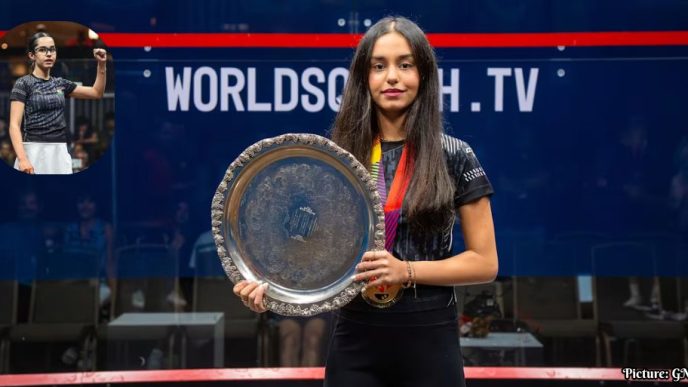

Since its debut in 1934, India has amassed a total of 564 medals at the Commonwealth Games, showcasing a remarkable evolution in the nation’s sporting achievements and competitive spirit.
India’s participation in the Commonwealth Games, which began in 1934, has been a testament to the country’s evolving narrative of sporting prowess and resilience. Over the years, India has accumulated a total of 564 medals, comprising 203 gold, 189 silver, and 172 bronze. This impressive medal tally highlights India’s growing competitive spirit and dedication to sports on an international platform.
Early Participation and Initial Challenges
The early years of India’s involvement in the Commonwealth Games were fraught with challenges. After gaining independence in 1947, India’s focus primarily centered on athletics; however, the nation struggled to secure medals. The breakthrough came during the 1958 Commonwealth Games, held in Cardiff, Wales. It was here that legendary sprinter Milkha Singh became a national icon by clinching India’s first gold medal in the men’s 440-yard event. Singh’s victory not only marked a significant milestone in Indian athletics but also served as an inspiring moment for future athletes.
In the same edition of the Games, Indian heavyweight wrestler Lila Ram added to the medal tally by winning gold in the men’s 100kg freestyle category. This dual success was crucial in showcasing India’s emerging talent in athletics and wrestling, setting a foundation for future accomplishments in these sports.
Women’s Participation: A Milestone Achievement
The 1958 Commonwealth Games were also pivotal for women’s involvement in sports. Track and field athletes Stephanie D’Souza and Elizabeth Davenport made history as the first Indian women to compete in the Commonwealth Games. Their participation marked a significant stride toward gender equality in Indian sports, helping pave the way for future female athletes to represent the nation on global platforms.
The Ascendancy of Wrestling and Weightlifting
As the decades progressed, Indian wrestling became a formidable force in the Commonwealth Games during the 1970s and 1980s. Indian wrestlers consistently brought home medals, showcasing their strength and skill. This era also saw the emergence of weightlifting as another source of national pride. Notably, Raghavan Chandrasekaran, a two-time Olympian, distinguished himself in the late 1980s and early 1990s. At the 1990 Commonwealth Games, he won three gold medals in the flyweight division, including in snatch, clean and jerk, and overall. He followed this up with three silver medals in bantamweight at the 1994 edition in Victoria, Canada.
Shooting: Dominance in the Discipline
While wrestling and weightlifting played significant roles in India’s medal tally, shooting has emerged as the most successful discipline for the country at the Commonwealth Games. Indian shooters have secured an impressive 135 podium finishes, which underscores the depth of talent in this sport. Among the most notable athletes is pistol shooter Jaspal Rana, recognized as the most successful Indian athlete in Commonwealth history, with a total of 15 medals—comprising nine gold, four silver, and two bronze. His dominance in the shooting circuit during the 1990s and early 2000s further solidified India’s reputation in this discipline.
Recent Trends and the Future of Indian Sports
In recent Commonwealth Games, India has continued to build on its legacy, showcasing not only seasoned athletes but also emerging young talent across various sports. The nation’s focus on sports development and athlete training has started to yield positive results, with a noticeable increase in medal counts across disciplines. For instance, India’s performance in the 2022 Commonwealth Games held in Birmingham saw the country achieving its best-ever medal tally, reflecting the effectiveness of ongoing investments in sports infrastructure.
As India prepares for future Commonwealth Games, the emphasis on nurturing young athletes and enhancing training facilities will be pivotal in maintaining and bolstering its competitive edge on the global stage. The Indian government’s initiatives, such as the Khelo India program, aim to promote grassroots sports and identify talent at an early age, which bodes well for the future of Indian athletics.
Conclusion: A Legacy of Sporting Excellence
India’s journey at the Commonwealth Games illustrates a rich history of sporting achievements, marked by significant milestones and the rise of various disciplines. From the early struggles to recent successes, the narrative of Indian sports continues to evolve, inspiring future generations to pursue excellence and strive for glory on international platforms. As the nation looks ahead, the commitment to investing in sports and fostering talent will be crucial in ensuring that India’s legacy in the Commonwealth Games endures for years to come.