“It is not easy to be a pioneer — but oh, it is fascinating.” — Elizabeth Blackwell
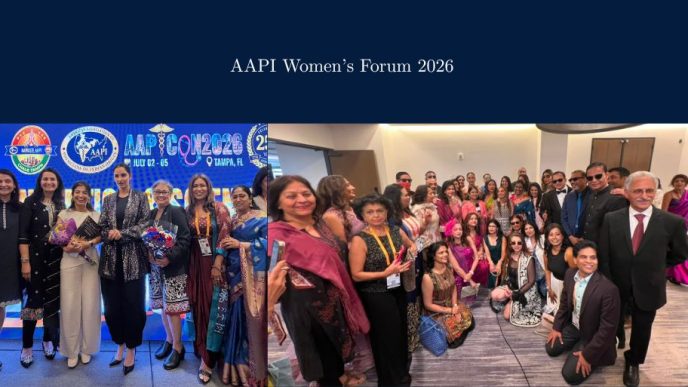
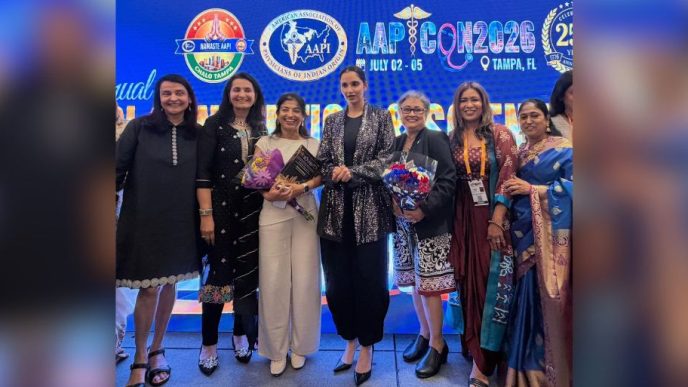
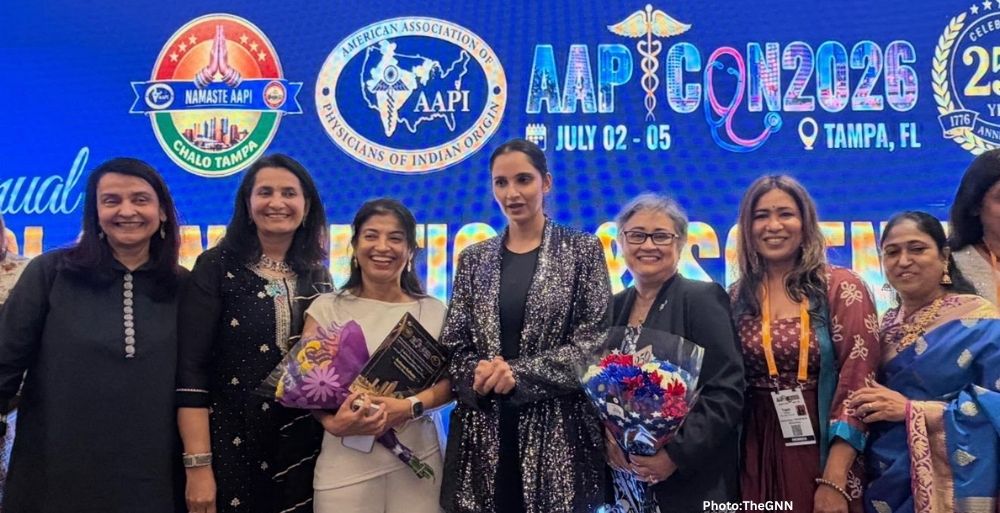
The AAPI Women’s Forum 2026, held during the AAPI Annual Convention in Tampa from July 2–5, 2026, brought together an extraordinary constellation of women leaders whose achievements span healthcare, public service, academia, global sports, integrative medicine, and international development. The forum’s theme, “Celebrating the Diverse and Limitless Identities of Women,” was reflected in every story, statistic, and lived experience shared on stage.
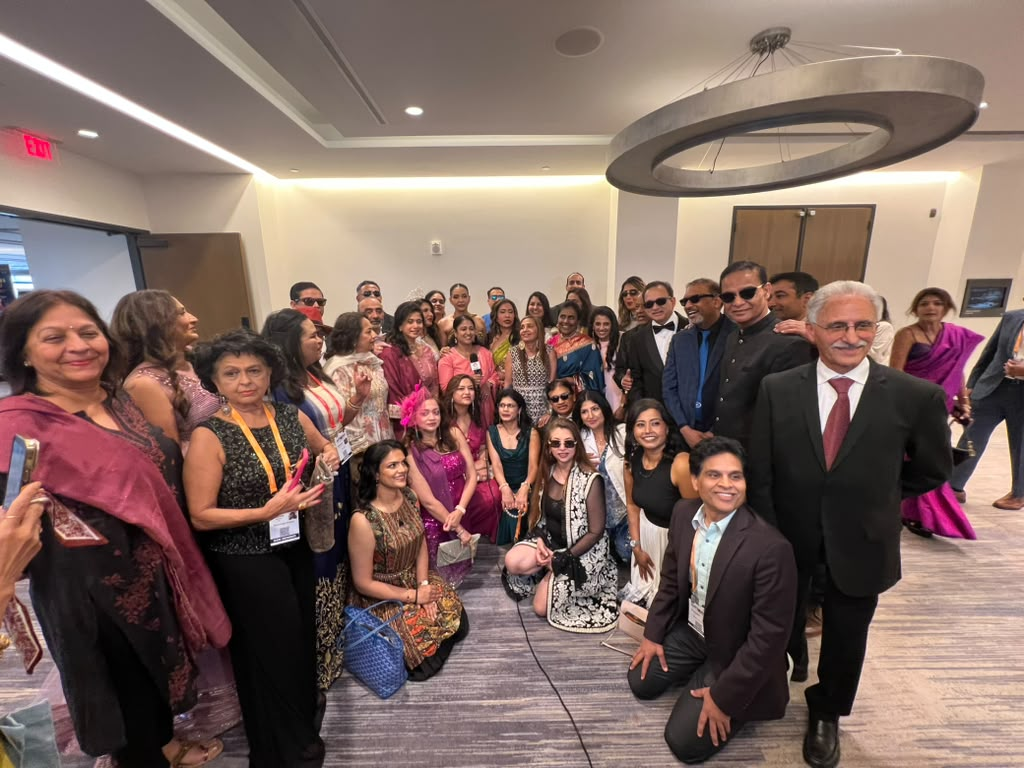
This year’s forum was organized and led by:
- Dr. Kavita Jyotula, Chair, AAPI Women Physicians Committee
- Dr. Kalpalatha Guntupalli, Co-Chair
- Dr. Tapti Panda, Co-Chair
With special support from:
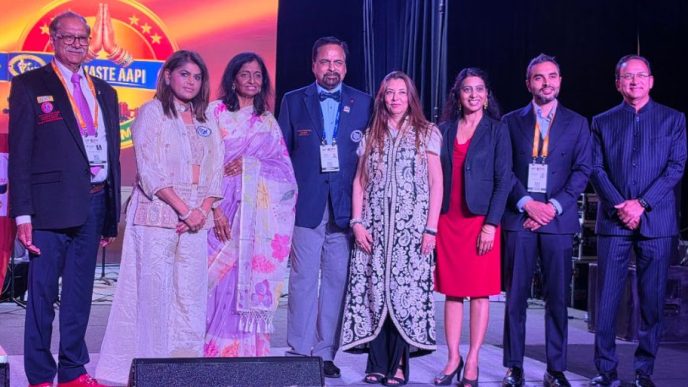
- Dr. Amit Chakrabarty, President, AAPI
- Deborah Wilkinson, Founder & President, Wilkinson Global Connections
The event featured a distinguished lineup of speakers:
- Jane Castor, Mayor of Tampa
- Sania Mirza, Indian Tennis Champion (Special Guest)
- Dr. Sowmya Viswanathan, Executive Vice President & Chief Physician Executive, BayCare Health System
- Dr. Usha Menon, Dean, USF College of Nursing
- Dr. Sunita Reddy, OB-GYN & Author
- Dr. Arti Prasad, University of Minnesota; Founding Member, American Board of Integrative Medicine
- Archana Kulkarni, AyurWellness Inc.
- Vivek Oberoi, Bollywood Actor and Community Organizer
Together, they delivered a powerful tapestry of insights, statistics, and calls to action that underscored the evolving landscape of women’s leadership.
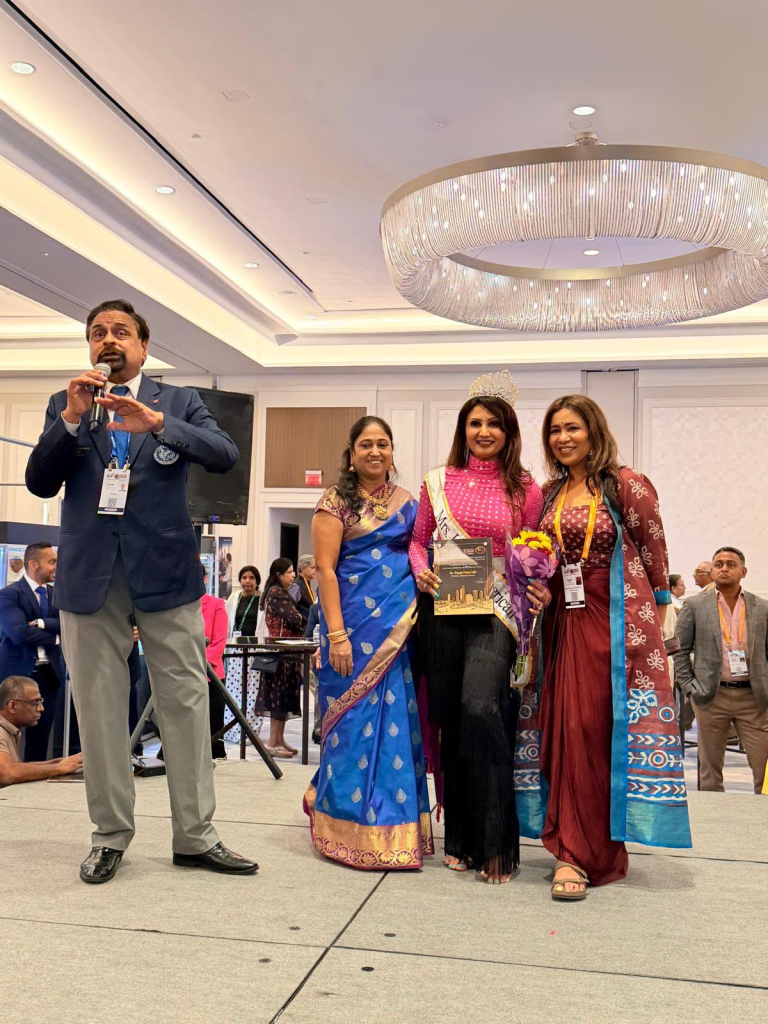
The session opened with a striking observation that captured the energy in the room:
“No hate against men, but a room full of a lot more women than men… it’s always great to see such intelligent, independent, and extremely successful women in one room.”
This acknowledgment framed the forum as a celebration of women’s leadership and a recognition of the systemic challenges they continue to navigate.
Mayor Jane Castor delivered a compelling narrative of her journey from athlete to becoming Tampa’s first female Chief of Police.
She began by recalling the impact of Title IX, passed “about 55 years ago,” which opened doors for women in sports:
“It said that women could participate in sports to the same level that men could… and by virtue of being six foot tall in the second grade… I was on every team that there was.”
Her rise to leadership came with profound responsibility:
“I didn’t want to be remembered as the first woman. I wanted to be remembered as a good chief.”
She spoke candidly about the double standards women often face:
“If a man failed… they would say such and such couldn’t do it. If I failed, they would say I told you a woman couldn’t do it.”
One of the most touching moments came from a young girl who saw her on television:
“She pointed at the TV and said, ‘Mom, is that the police chief?’… ‘Wow, I can be anything I want to be.’”
Castor urged attendees to embrace their role as role models:
“You are an example for the future… young girls can accomplish anything they want to accomplish.”
Special guest Sania Mirza, one of India’s most celebrated athletes, electrified the audience with her global perspective on women’s struggles and triumphs.
She began by celebrating the gathering:
“It’s so nice to see a room full of women… independent, intelligent, successful women—the future, the present.”
Mirza spoke about the universal challenges women face:
“We as women have enough people telling us what we can’t do… we should be the people telling ourselves that we can.”
Her childhood story illustrated the power of belief:
“When I picked up a tennis racket at six… my coach said I was too small… My mom had to have a fight with him.”
A month later, the same coach admitted:
“I’ve never seen a six-year-old hit a ball like that.”
Mirza credited her mother’s courage:
“If it was not for a homemaker… pushing her daughter, Sania Mirza would not have existed.”
Her message to young girls was simple and powerful:
“Back yourself… believe in yourself… no matter how many people tell you that you can’t.”
Dr. Sowmya Viswanathan, Executive Vice President and Chief Physician Executive of BayCare Health System, shared her journey from clinician to system-wide leader.
She described the emotional difficulty of stepping back from patient care:
“It was a heart-wrenching moment… but I felt the desire—if I can run a health system, I can manage thousands and millions of people.”
Today, her leadership spans more than 4 million patients, 34,000 employees, 14,000 physicians, and a $7 billion health system.
She highlighted BayCare’s remarkable growth in graduate medical education:
“In five years, we went from having zero residents to now more than 600 resident spots approved.”
She also emphasized the importance of building a strong organizational culture:
“There is nothing better than having the best team working with you… they are like our own family.”
Dr. Arti Prasad, a national leader in integrative medicine and healthcare equity, delivered a powerful, research-driven presentation on systemic inequities affecting women in leadership.
She began with an affirmation:
“Women are awesome… but systemic barriers, microaggressions, and the broken rung still hinder advancement.”
She explained the concept of the “broken rung”:
“For every 100 men promoted, there are about 80 women promoted… much less for Black women and Latina women.”
She also discussed the “glass ceiling,” describing it as an invisible barrier preventing women from reaching top leadership positions, and the “double glass ceiling,” which creates additional obstacles for women of color.
Dr. Prasad described the “sticky floor,” where women often receive fewer resources and fewer opportunities for promotion.
She also highlighted the “only” phenomenon:
“Women who are the onlys for their gender are 3.4 times more likely to experience microaggressions… for race, 1.7 times more likely.”
Her call to action resonated throughout the audience:
“If one woman cannot support another woman, I think there is a problem… we need to be sponsoring women to leadership positions.”
Dr. Usha Menon, Dean of the USF College of Nursing, shared valuable insights on mentorship and women’s leadership, emphasizing the importance of nurturing future generations of healthcare professionals.
Dr. Sunita Reddy, an OB-GYN and author, highlighted the importance of women’s health, wellness, and narrative medicine in empowering both physicians and patients.
Archana Kulkarni of AyurWellness Inc., an expert in integrative medicine, reminded attendees:
“Whatever you believe in yourself… serve with integrity, and you can achieve whatever you want.”
The forum concluded with a powerful reflection:
“Every single one of you embodies what it means to lead without limits.”
Across professions, generations, and continents, the speakers shared one clear message: women are not just breaking barriers—they are redefining leadership itself.
The AAPI Women’s Forum 2026 stands as a testament to the strength, brilliance, and unstoppable spirit of women who lead, heal, inspire, and transform.
Dr. Amit Chakrabarty emphasized the transformative role of women in the modern world as they continue to overcome social norms, cultural barriers, family responsibilities, and the challenges of rapid technological advancement. He applauded their accomplishments, recognizing their determination to break barriers and continue moving forward.
Dr. Meher Medavaram, the newly installed President of AAPI, remarked:
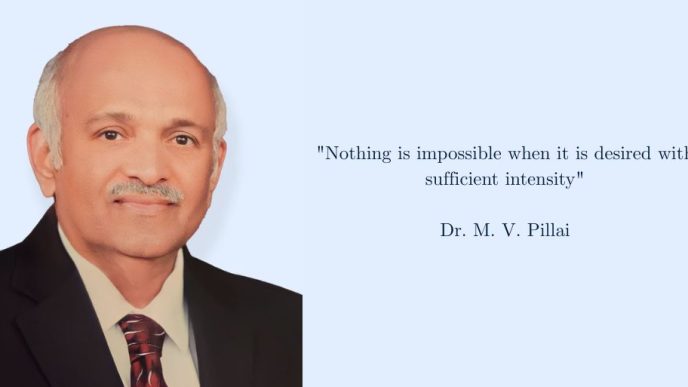
“One can do it, if only you put your heart and soul into it. Nothing is impossible. Impress yourself and be proud of your own self.”
Noting that she is only the sixth woman president in AAPI’s 44-year history, Dr. Medavaram encouraged women to rise to every challenge.
“In spite of the many challenges, we have been able to achieve great things,” she said.
The Women’s Forum represented far more than a series of presentations. It served as a celebration of leadership, resilience, and the transformative influence of women across healthcare, public service, education, sports, scientific innovation, and global development. By bringing together distinguished voices from diverse fields, the forum reinforced a central message: societies thrive when women lead.
The American Association of Physicians of Indian Origin (AAPI) represents the interests of more than 120,000 physicians of Indian origin and is the largest ethnic organization of physicians in the United States. For more information, visit https://www.aapiusa.org.