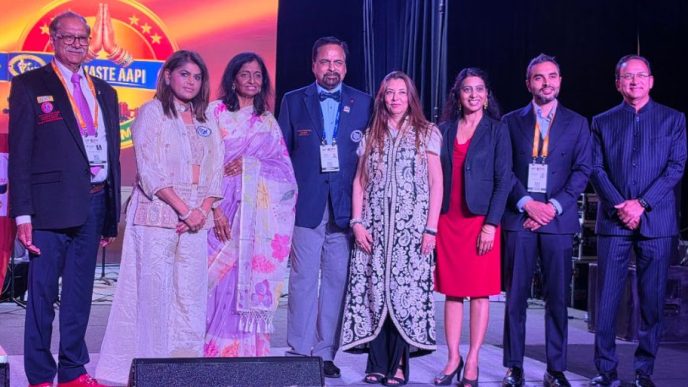
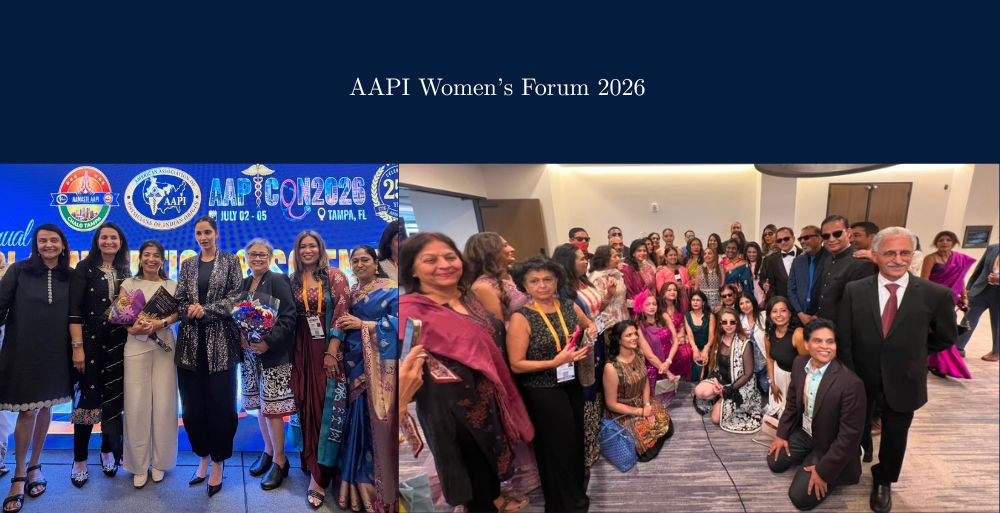
Celebrating diverse journeys and shared purpose, the AAPI Women’s Forum 2026 affirmed that women continue to lead without limits while transforming institutions, communities, and future generations.
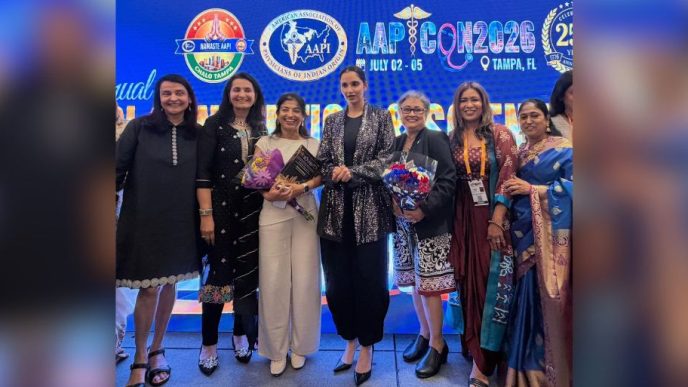
The AAPI Women’s Forum 2026, held during the American Association of Physicians of Indian Origin (AAPI) Annual Convention in Tampa from July 2–5, brought together an accomplished group of leaders whose careers span medicine, public service, sports, academia, integrative health, and community advocacy. Centered on the theme “Celebrating the Diverse and Limitless Identities of Women,” the forum highlighted the evolving role of women as changemakers while addressing the barriers that continue to shape their professional journeys.
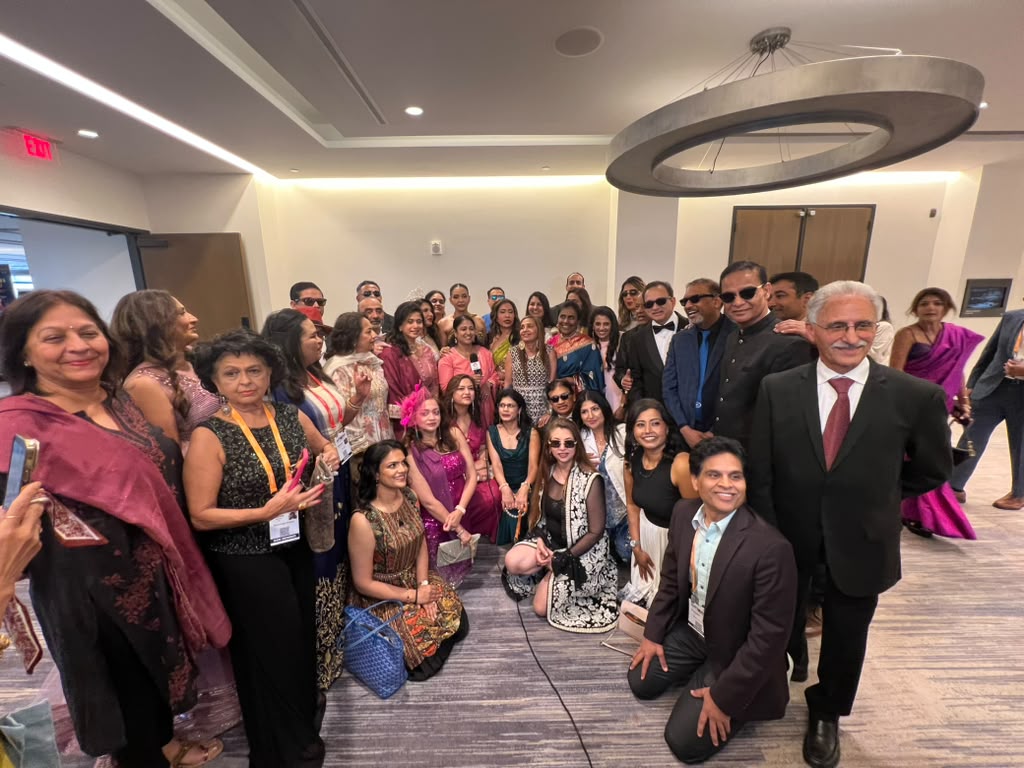
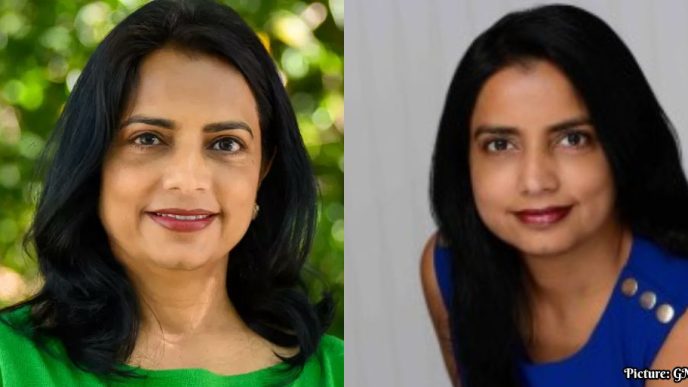
Organized by Dr. Kavita Jyotula, Chair of the AAPI Women Physicians Committee, along with co-chairs Dr. Kalpalatha Guntupalli and Dr. Tapti Panda, and supported by AAPI President Dr. Amit Chakrabarty and Deborah Wilkinson, Founder and President of Wilkinson Global Connections, the event created a platform where personal stories, professional achievements, and research converged into a shared vision of leadership rooted in resilience and purpose.
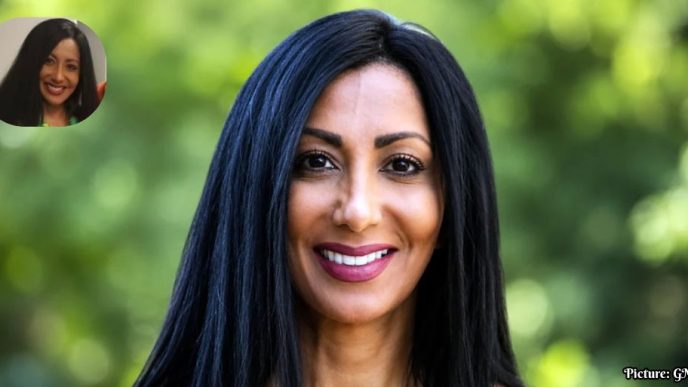
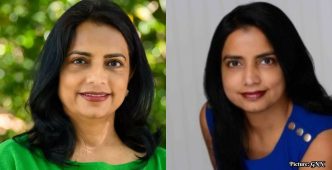
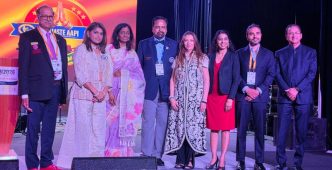
The distinguished panel featured Tampa Mayor Jane Castor, Indian tennis icon Sania Mirza, Dr. Sowmya Viswanathan, Executive Vice President and Chief Physician Executive of BayCare Health System, Dr. Usha Menon, Dean of the University of South Florida College of Nursing, Dr. Sunita Reddy, Dr. Arti Prasad, Archana Kulkarni, and actor and philanthropist Vivek Oberoi.
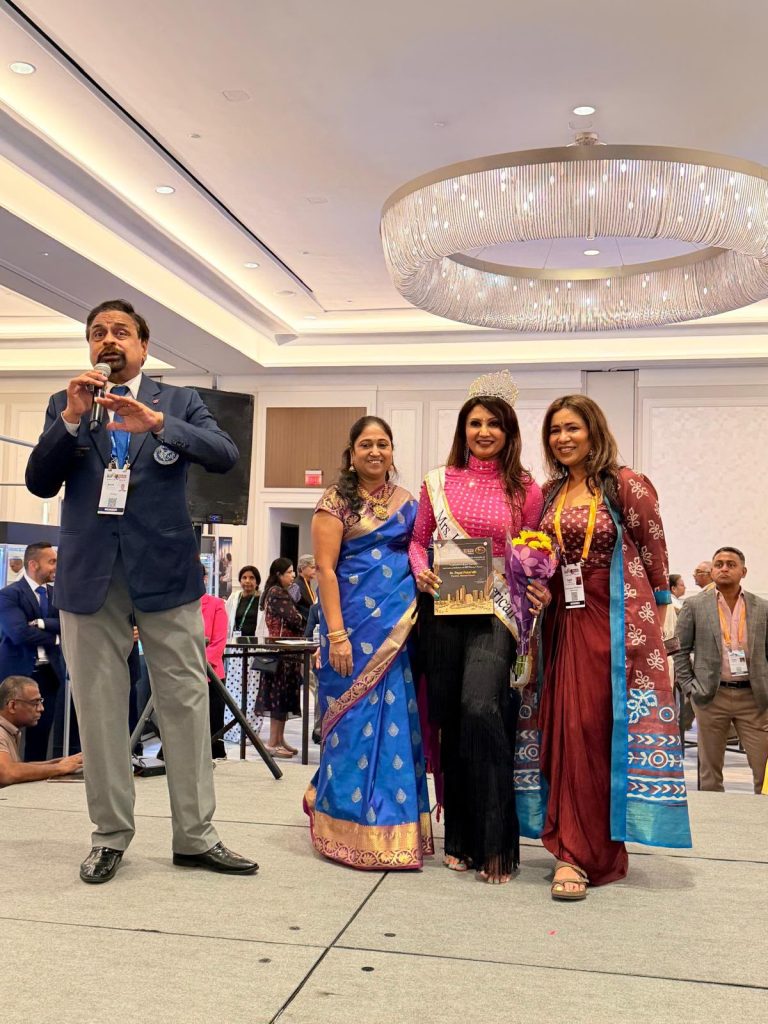
The session opened with an observation that set the tone for the afternoon, celebrating the remarkable gathering of accomplished women and acknowledging the significance of creating spaces where women can learn from one another and inspire future generations.
Leadership Beyond Labels
Tampa Mayor Jane Castor, the city’s first female Chief of Police before becoming mayor, reflected on the importance of leadership that transcends gender.
Recalling the opportunities created by Title IX, she described how access to sports shaped her confidence and eventually her career in law enforcement and public service. Yet, she acknowledged that becoming the first woman in a leadership role also meant carrying the weight of expectations.
“I didn’t want to be remembered as the first woman. I wanted to be remembered as a good chief.”
Castor spoke candidly about the double standards women often face in leadership, noting that while an individual man’s failure is viewed as personal, a woman’s failure is too often generalized to her gender. She emphasized that visible female leadership has the power to inspire younger generations, recalling an encounter with a young girl who, after seeing her on television, realized that she too could aspire to any profession.
Believing Beyond Barriers
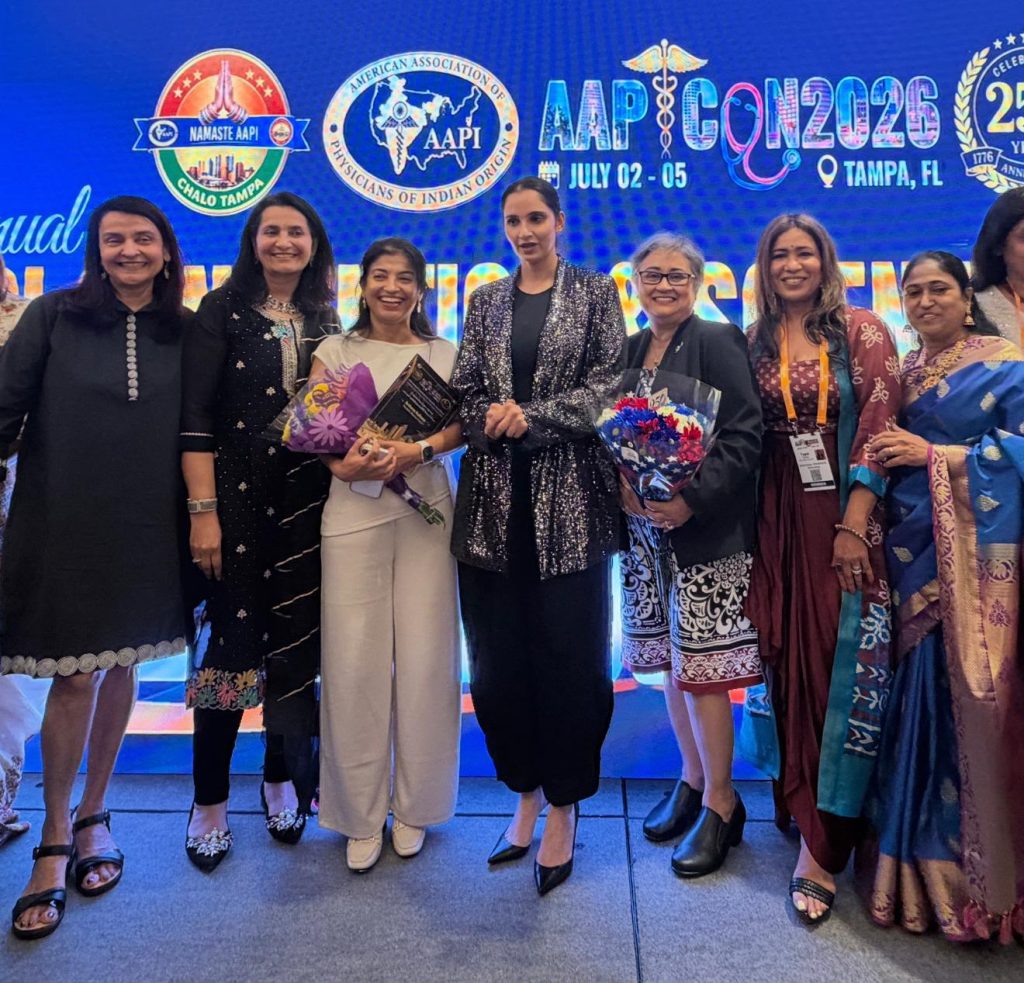
Former world No. 1 doubles champion Sania Mirza delivered one of the forum’s most inspiring addresses, encouraging women to reject limitations imposed by others and instead cultivate confidence in themselves.
Drawing from her own childhood, Mirza recounted how her tennis coach initially doubted her because of her age and size. Her mother, however, refused to accept those assumptions, advocating fiercely for her daughter to be given an opportunity.
“We as women have enough people telling us what we can’t do… we should be the people telling ourselves that we can.”
Mirza credited her success not only to talent and discipline but also to the unwavering support of her family, particularly her mother, whose belief in her abilities laid the foundation for an international career. She urged women to become their own strongest advocates rather than allowing external opinions to define their potential.
Transforming Healthcare Through Leadership
For Dr. Sowmya Viswanathan, leadership meant expanding her impact beyond individual patient care to transforming healthcare systems on a much larger scale.
Now serving as Executive Vice President and Chief Physician Executive of BayCare Health System, she oversees one of Florida’s largest healthcare organizations, serving millions of patients while leading thousands of physicians and employees.
Although stepping away from daily clinical practice was emotionally challenging, she explained that broader leadership offered an opportunity to improve healthcare for entire communities.
“There is nothing better than having the best team working with you.”
She highlighted BayCare’s rapid expansion in graduate medical education, growing from no residency programs to more than 600 approved residency positions within five years, underscoring how collaborative leadership can create lasting institutional change.
Addressing the Invisible Barriers
While many speakers celebrated women’s achievements, Dr. Arti Prasad, a national leader in integrative medicine and healthcare equity, focused on the structural obstacles that continue to limit women’s advancement.
Using research and workplace data, she examined concepts such as the “broken rung,” “glass ceiling,” and “sticky floor,” explaining how women, particularly women of color, often encounter systemic barriers long before reaching executive leadership.
“Women are awesome… but systemic barriers, microaggressions, and the broken rung still hinder advancement.”
Prasad also highlighted the disproportionate impact of workplace microaggressions on women who are the only female or minority representative in professional settings. Rather than simply mentoring younger women, she encouraged established leaders to actively sponsor them by creating opportunities, recommending them for leadership roles, and ensuring they have access to decision-making spaces.
Wellness, Integrity, and Purpose
The forum also highlighted leadership through healing and holistic well-being.
Dr. Usha Menon, Dean of the University of South Florida College of Nursing, emphasized mentorship and academic leadership, while Dr. Sunita Reddy, an obstetrician-gynecologist and author, reflected on the importance of women’s health and compassionate patient care.
Representing integrative medicine, Archana Kulkarni encouraged attendees to pursue their goals with conviction and authenticity.
“Whatever you believe in yourself… serve with integrity, and you can achieve whatever you want.”
Her remarks reinforced the forum’s broader message that professional excellence and personal values are not competing ideals but complementary foundations for meaningful leadership.
A Collective Vision for the Future
AAPI President Dr. Amit Chakrabarty praised women for overcoming social expectations, cultural barriers, family responsibilities, and professional challenges to become leaders across every sector.
Meanwhile, incoming AAPI President Dr. Meher Medavaram, only the sixth woman to lead the organization in its 44-year history, reminded attendees that persistence remains one of the greatest tools for progress.
“One can do it, if only you put your heart and soul into it. Nothing is impossible.”
Reflecting on her own journey, she encouraged women to embrace leadership despite the challenges, emphasizing that meaningful change often begins with those willing to step forward first.
Leading Without Limits
As the session concluded, the forum left participants with a powerful reminder that leadership is no longer confined by profession, geography, or traditional expectations. Whether in hospitals, government, sports arenas, classrooms, or community organizations, the speakers demonstrated that women continue to reshape institutions through courage, expertise, and service.
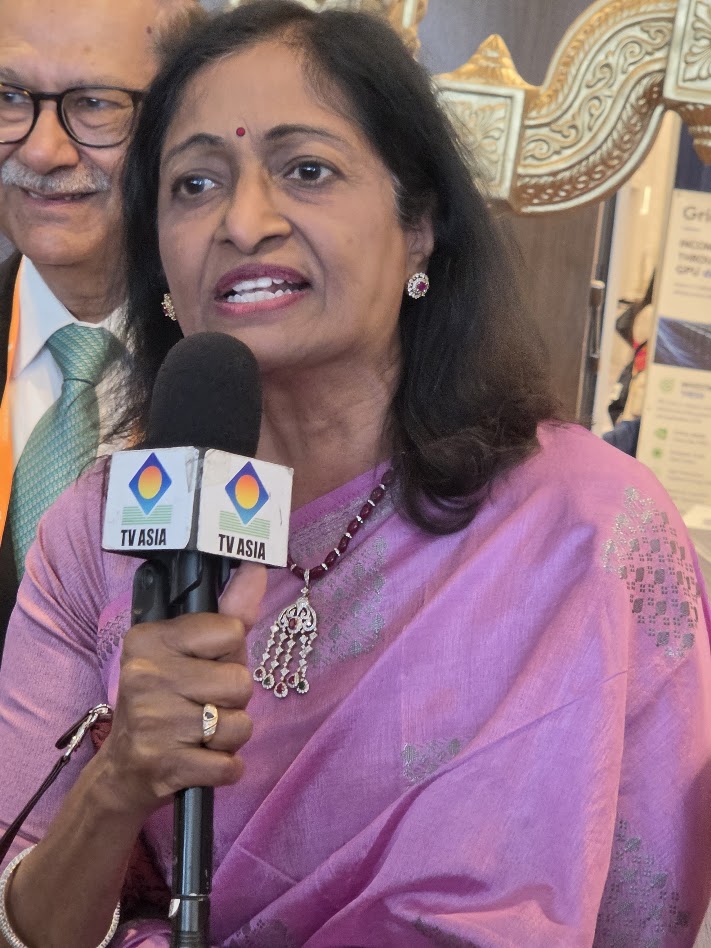
“Every single one of you embodies what it means to lead without limits.”
More than a celebration of individual accomplishments, the AAPI Women’s Forum 2026 reaffirmed that societies flourish when women are empowered to lead, mentor, innovate, and inspire. Through stories of perseverance, evidence-based discussions on equity, and calls for collective action, the forum underscored a simple but enduring truth: the future of leadership is strengthened when women’s voices are fully heard.
The American Association of Physicians of Indian Origin (AAPI) represents more than 120,000 physicians of Indian origin and remains the largest ethnic organization of physicians in the United States.
The event’s closing message captured the spirit of the gathering: “Every single one of you embodies what it means to lead without limits.”
More than a celebration of individual accomplishments, the AAPI Women’s Forum 2026 reaffirmed that societies flourish when women are empowered to lead, mentor, innovate, and inspire. Through stories of perseverance, evidence-based discussions on equity, and calls for collective action, the forum underscored a simple but enduring truth: the future of leadership is strengthened when women’s voices are fully heard.
The American Association of Physicians of Indian Origin (AAPI) represents more than 120,000 physicians of Indian origin and remains the largest ethnic organization of physicians in the United States.