A preliminary agreement between the United States and Iran was announced during the G7 summit, outlining terms that seek to end hostilities and initiate negotiations regarding Iran’s nuclear program.
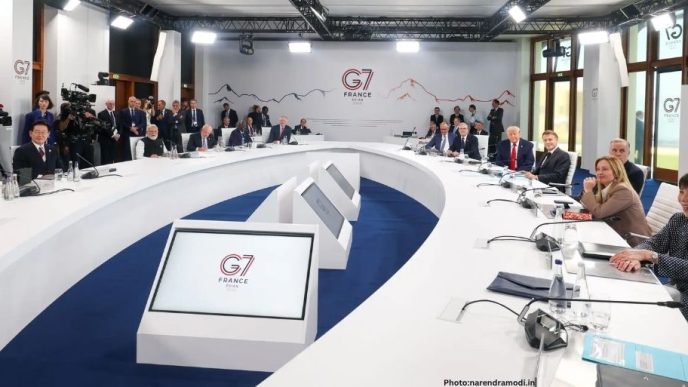
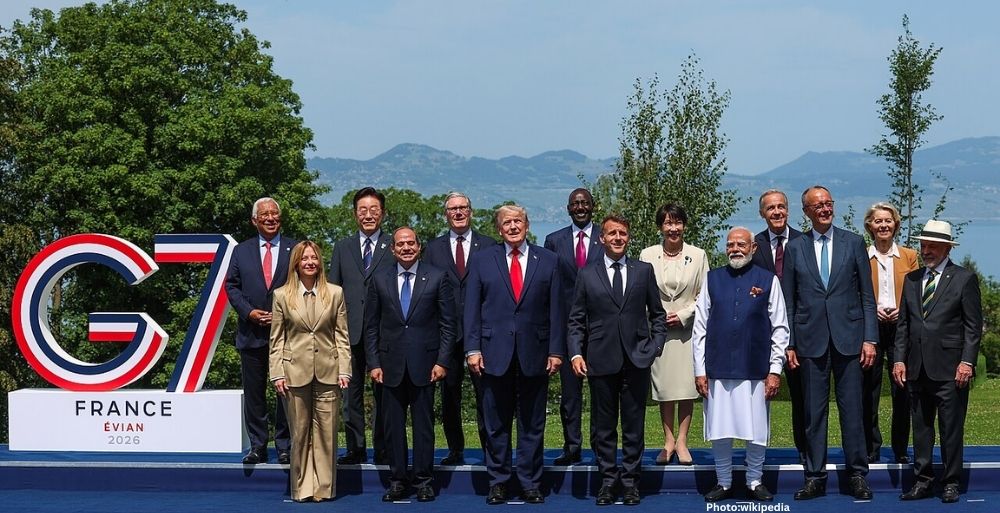
ÉVIAN-LES-BAINS, France – On the final day of the Group of Seven (G7) summit, President Donald Trump announced a preliminary agreement with Iran aimed at reopening the Strait of Hormuz, lifting sanctions on Iran’s oil exports, and initiating a 60-day negotiation period regarding Iran’s nuclear program. The announcement came as leaders gathered in this picturesque French resort town, where discussions around global economic stability and security were at the forefront.
A senior U.S. official, speaking on the condition of anonymity, revealed details of the agreement that includes a substantial $300 billion reconstruction plan for Iran, although specifics on funding sources remain unclear. The text specifies that Iran will reaffirm its commitment not to develop nuclear weapons. The agreement also calls for a cessation of military operations in Lebanon, where Israel has been engaged in conflict with Hezbollah, although Israel has stated it is not a party to this agreement.
Details of the Agreement
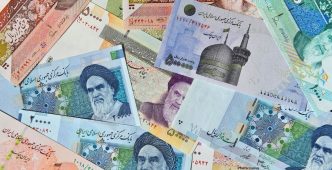
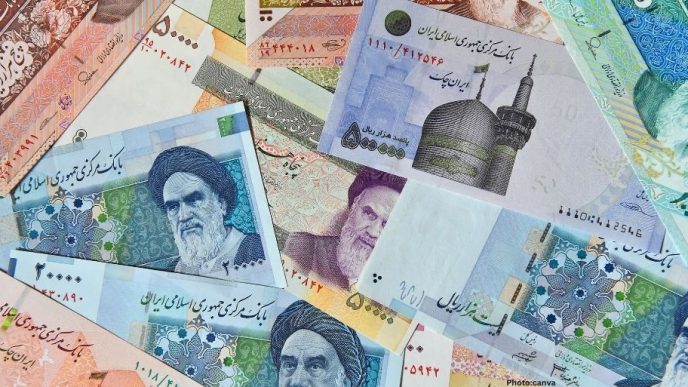
According to the disclosed terms, the United States will work to make available Iran’s frozen assets and will seek to terminate all sanctions against the country in a phased manner, contingent upon Iran’s compliance with the agreement. President Trump emphasized that the U.S. will not be directly funding Iran but will allow the country to engage in oil sales and access financial investments as long as it adheres to the agreed-upon conditions. “We’re not doing anything, we’re not putting up money,” Trump stated, indicating that investment would come from other nations or private entities.
The agreement stipulates that for 60 days, ships passing through the Strait of Hormuz will not incur any charges, although Iranian officials hinted that fees could be implemented after this initial period. The Strait, a critical shipping lane for global oil supply, has been a focal point of tension between Iran and the U.S. since the onset of hostilities.
Negotiation Timeline and Conditions
President Trump indicated that if the negotiations do not yield satisfactory results within the 60-day window, he is prepared to resume military actions against Iran. “If it doesn’t get done in 60 days, that’s all right, we’ll go back to bombing,” he remarked. However, he later clarified that he did not view the timeline as a hard deadline, suggesting flexibility in the negotiations.
The G7 leaders issued a joint statement expressing support for Trump’s leadership in securing the agreement while also emphasizing the need for a comprehensive diplomatic follow-up to address the complex issues surrounding Iran’s nuclear program. Critics within the U.S. have raised concerns about the concessions being offered to Iran, with some members of Congress, including Republican Senator Bill Cassidy, labeling the agreement as a significant foreign policy misstep.
International Reactions
In a related development, former President Barack Obama commented on the ongoing negotiations, reflecting skepticism about the potential for a deal significantly different from the 2015 nuclear agreement he brokered. He expressed hopes that hostilities would cease, stating, “I’m hopeful that bombing stops and ordinary people are no longer suffering as a consequence of the war.” Obama criticized the notion that military intimidation could lead to diplomatic resolutions, suggesting that patience and dialogue might yield better outcomes.
As the world awaits the formal signing of the memorandum of understanding, scheduled for Friday in Switzerland, uncertainties remain regarding the implications of the agreement and the extent of Iran’s cooperation. The G7 leaders have stressed the necessity for robust oversight to ensure that Iran adheres to its commitments.
Challenges Ahead
Despite the optimistic tone from Trump and other leaders at the summit, analysts warn that the complexities surrounding Iran’s nuclear ambitions and regional activities could complicate the negotiations. The preliminary agreement is intended to serve as a foundation for further discussions, but the historical mistrust between the U.S. and Iran poses significant challenges.
Furthermore, the geopolitical ramifications of lifting sanctions and allowing Iran to re-enter global markets could provoke reactions from regional allies, particularly Israel, which has voiced concerns about Iran’s influence in the Middle East. As the situation develops, the international community will be closely monitoring the outcomes of this unprecedented diplomatic endeavor.
Historical Context
The negotiations between the U.S. and Iran come on the heels of heightened tensions and military actions following the collapse of the Joint Comprehensive Plan of Action (JCPOA) in 2018, when President Trump withdrew from the multilateral agreement aimed at curbing Iran’s nuclear program. The JCPOA had provided Iran with substantial sanctions relief in exchange for limits on its nuclear activities, a deal that Trump has consistently criticized as ineffective. The new agreement, which aims to provide a more comprehensive approach to Iran’s nuclear capabilities and regional activities, seeks to prevent the escalation of military conflict in the region.
Implications for Global Stability
The potential lifting of sanctions against Iran’s oil industry is particularly significant given the country’s economic reliance on oil exports, which have been severely restricted in recent years. Analysts suggest that re-engaging Iran in the global economy could stabilize oil prices, which have been volatile due to geopolitical tensions. However, there are concerns that renewed financial resources could also allow Iran to further its regional ambitions, particularly in supporting proxy groups across the Middle East.
As the U.S. navigates this complex diplomatic landscape, the implications of the agreement will extend beyond the immediate parties involved. The degree to which Iran adheres to its commitments, coupled with the responses from other regional powers, will shape the future of U.S.-Iran relations and broader security dynamics in the Middle East for years to come.