
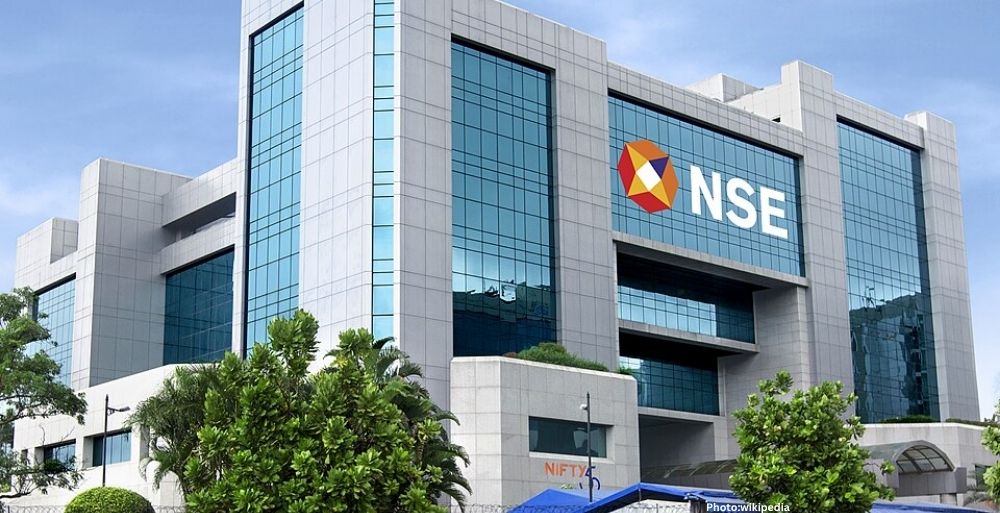
India’s National Stock Exchange has filed for an initial public offering, marking a significant milestone in the Indian capital market as IPO activity begins to recover from recent stagnation.
In a noteworthy development for India’s financial ecosystem, the National Stock Exchange (NSE), the country’s largest stock exchange, has officially submitted its application for an initial public offering (IPO). This move is anticipated to be one of the most substantial public listings in India this year, signaling a potential rebound in IPO activity following a period of reduced investor interest driven by geopolitical uncertainties.
IPO Structure and Key Stakeholders
The NSE’s IPO will be structured entirely as an offer for sale, meaning that existing shareholders will divest their stakes rather than the exchange issuing new shares. Major stakeholders involved in this offering include prominent entities such as the State Bank of India (SBI), the Canada Pension Plan Investment Board, and Singapore’s Temasek. While specific pricing and valuation details are yet to be disclosed in the draft prospectus, industry experts suggest that the regulatory clearance process from the Securities and Exchange Board of India (SEBI) could take between two to three months.
Market Position and Historical Context
With a total market capitalization estimated at approximately 474 trillion rupees (around $5 trillion), India ranks among the top ten equity markets globally. The NSE commands an impressive 93% share of the country’s cash market and is responsible for nearly 100% of equity futures trading, alongside a significant 75% share in equity options trading, according to metrics outlined in the IPO draft filing. This substantial market presence underscores the NSE’s pivotal role in shaping the Indian financial landscape.
Since its establishment, the NSE has pursued a public listing, with attempts dating back to 2016. This IPO filing represents the culmination of extensive planning and strategic efforts, particularly given the exchange’s vast user base, which boasts over 129 million unique registered investors. In contrast, the Bombay Stock Exchange (BSE), the NSE’s primary competitor, has a market capitalization of $17.2 billion and operates at a price-to-earnings ratio of 66 based on trailing twelve months.
Current Market Conditions and Investor Sentiment
The Indian IPO market has faced significant challenges in recent months, notably due to global economic pressures and geopolitical tensions, particularly the ongoing conflict in the Middle East. These factors have led to the postponement of several high-profile IPOs, dampening investor sentiment. However, recent developments suggest a potential resurgence in IPO activity, as signs indicate stabilization in the geopolitical landscape.
In this context, Mukesh Ambani’s Reliance Jio Infocomm, the largest telecommunications operator in India, is also expected to file for a public offering estimated to raise around $4 billion by mid-June, as reported by the Financial Times. This anticipated filing reinforces the notion that the IPO landscape may be on the verge of revitalization, encouraging other companies to pursue public listings.
Economic Implications of Upcoming IPOs
The combined fundraising potential of the NSE and Reliance Jio IPOs is projected to exceed 600 billion rupees (over $6.3 billion), which could represent nearly one-third of the total funds raised through the 104 mainboard IPOs conducted in the previous year. This figure highlights the significance of these forthcoming listings in driving capital market activity and restoring investor confidence.
According to Prashant Rao, the director and head of equity capital markets at Anand Rathi Investment Banking, these IPOs could play a crucial role in shaping market dynamics and fostering investor sentiment. The successful launch of the NSE’s IPO may serve as a bellwether for future listings in a recovering economic environment, potentially encouraging more companies to advance their public offerings.
The Future Outlook for India’s IPO Market
As the IPO landscape begins to show signs of recovery, the NSE’s application is a critical indicator of the overall health of India’s financial markets. Analysts and market participants will be closely monitoring the regulatory approval process and the subsequent market reception of this offering once it becomes available to the public. The outcomes of these IPOs could have ramifications not only for the involved entities but also for broader investor confidence and market trends in the coming months.
In conclusion, the filing for an IPO by the NSE marks a pivotal moment for both the exchange itself and the Indian stock market at large. As various factors converge to shape the future of IPO activity in India, the reactions of institutional and retail investors will be key in determining the trajectory of market engagement and economic growth. The anticipated resurgence in IPO activity, epitomized by the NSE’s filing, could signal a new era for capital markets in India, fostering increased investment and participation from a wider array of stakeholders.