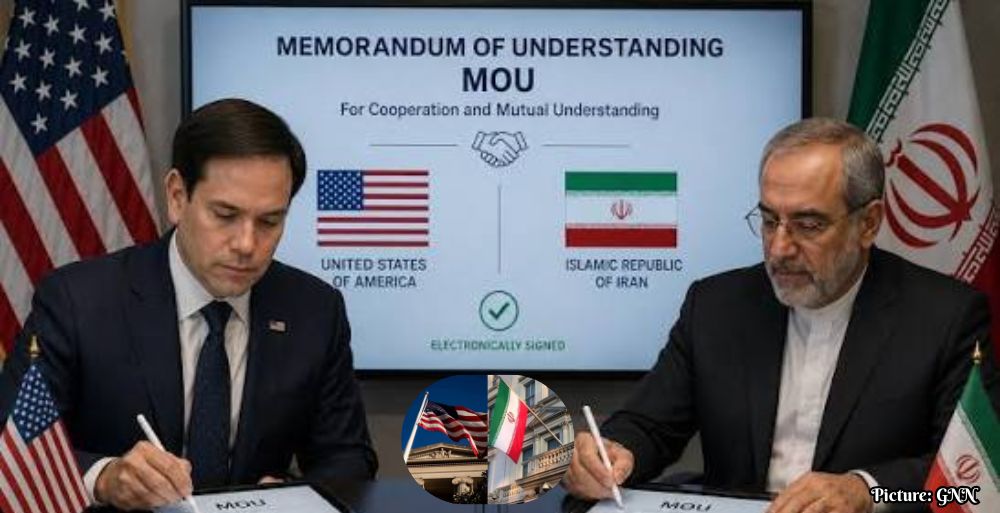
A newly revealed memorandum of understanding between the United States and Iran outlines a framework for ending military operations and addressing sanctions, signaling a potential shift in diplomatic relations.
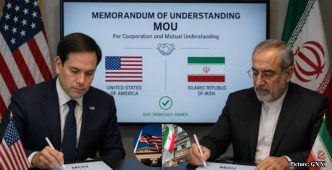
ISLAMABAD – In a significant development in U.S.-Iran relations, a senior official from the Trump administration has disclosed details of a memorandum of understanding (MOU) signed between the United States and the Islamic Republic of Iran. The announcement, made public on [insert date], indicates a potential path towards de-escalation of military tensions and the lifting of economic sanctions that have long impacted Iran’s economy.
The MOU, which has not been publicly released in full, was described in detail by the unnamed official and covers several key points aimed at fostering peace and stability in the region. Central to the agreement is the immediate and permanent cessation of military operations by both nations, including any actions against Lebanon. The document emphasizes mutual respect for sovereignty and territorial integrity, stating that both parties have committed to refraining from interference in each other’s internal affairs.
Key Provisions of the Agreement
The memorandum outlines a 60-day timeline for further negotiations to finalize a comprehensive agreement. This includes a commitment by the United States to begin the process of lifting its naval blockade against Iran within 30 days of the MOU’s signing. This blockade has been a significant point of contention and has severely limited Iran’s access to international shipping routes, particularly in the Strait of Hormuz, a vital corridor for global oil shipments.
In a notable economic component, the U.S. has pledged to collaborate with regional partners to develop a reconstruction plan for Iran valued at approximately $300 billion. This plan will focus on economic development and infrastructure rebuilding, with the implementation mechanisms set to be finalized within the 60-day negotiation period. The commitment to such a substantial financial investment underscores the U.S.’s acknowledgment of the dire economic situation in Iran, exacerbated by years of sanctions and geopolitical tensions.
Additionally, the MOU includes provisions for the termination of all sanctions against Iran, including those imposed by the United Nations. This aspect of the agreement is particularly critical, as sanctions have severely restricted Iran’s economic activities and contributed to widespread domestic challenges, including inflation and unemployment. The lifting of these sanctions could lead to significant shifts in Iran’s economic landscape, potentially enhancing trade relations with various nations.
Nuclear Provisions and Security Guarantees
On the nuclear front, the agreement stipulates that Iran will reaffirm its commitment to not pursue nuclear weapons. Both parties have agreed to establish a framework for discussing Iran’s nuclear needs, including the management of enriched materials under the supervision of the International Atomic Energy Agency (IAEA). This point is crucial in light of previous tensions surrounding Iran’s nuclear program, which has been a focal point in international negotiations for years.
Importantly, the MOU also outlines that until a final agreement is reached, both nations will maintain the status quo regarding Iran’s nuclear program and U.S. sanctions. This means no new sanctions will be imposed by the U.S., and Iran will not expand its nuclear activities during this interim period. This temporary halt aims to build trust between the two nations and create a conducive environment for further discussions.
Monitoring and Implementation
A key aspect of the MOU is the establishment of a monitoring mechanism to ensure compliance with the agreement’s terms. This will allow both parties to verify that the commitments outlined in the MOU are being met and will facilitate ongoing dialogue as they work toward a more comprehensive final deal. Such a mechanism is vital in maintaining accountability and fostering transparency in the execution of the agreement.
The announcement of this MOU comes at a time of heightened tensions in the Middle East, particularly following a series of military confrontations between the U.S. and Iran over the past few years. The potential for a diplomatic resolution has raised hopes among international observers who see a need for stability in the region. Analysts suggest that a successful negotiation process could serve as a catalyst for broader diplomatic efforts in the Middle East, where many countries have been affected by the fallout from U.S.-Iran hostilities.
Historical Context and Future Implications
The U.S.-Iran relationship has been fraught with conflict since the 1979 Iranian Revolution, which resulted in the overthrow of the Shah and the establishment of the Islamic Republic. Over the decades, a series of sanctions and military engagements have defined the bilateral relationship. The recent MOU represents a significant shift towards dialogue, although skepticism remains among analysts regarding both parties’ willingness to follow through on their commitments. Historical grievances and mutual distrust may pose challenges to the successful implementation of the MOU.
As discussions continue, the international community will be closely monitoring the developments stemming from this agreement. The implications of a successful resolution could extend beyond U.S.-Iran relations, potentially affecting broader geopolitical dynamics in the Middle East, including relations with U.S. allies and adversaries alike. Countries such as Saudi Arabia and Israel, which have historically viewed Iran as a threat, may respond cautiously to any easing of tensions between Tehran and Washington.
In conclusion, while the MOU sets a foundation for potential peace and economic cooperation, the path ahead remains uncertain as both the U.S. and Iran navigate the complexities of their historical conflicts and the expectations of their respective domestic and international constituencies. The coming weeks will be crucial in determining whether this MOU can evolve into a lasting framework for peace in a historically volatile region.