A memorandum of understanding between the U.S. and Iran aims to reopen the Strait of Hormuz and initiate nuclear negotiations, but details remain unclear, prompting skepticism among lawmakers and analysts.
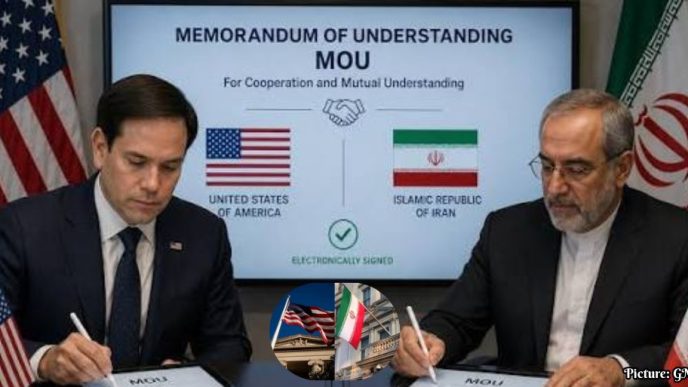
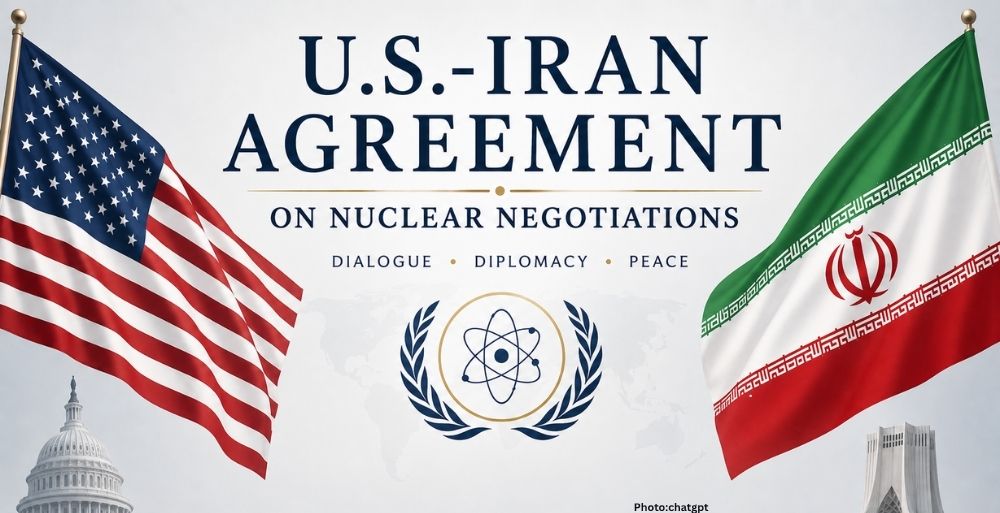
On Friday, a significant agreement between the United States and Iran is poised to be formally signed, marking a new chapter in diplomatic relations between the two nations. This memorandum of understanding (MOU) seeks to reopen the crucial Strait of Hormuz and commence a 60-day period of nuclear negotiations. However, as officials prepare for the signing, skepticism surrounds the specifics and implications of the deal.
Senior U.S. officials disclosed on Monday that the MOU, which was digitally signed over the weekend, represents merely the initial step in what they describe as “real technical discussions” to be led by Vice President Vance later this week. The officials indicated that the specifics of the agreement would be made public in the coming days, while President Trump stated that a detailed release would occur “sometime after Friday,” igniting debate and speculation over the commitments and concessions expected from both parties.
Notably, President Trump and Vice President Vance have already signed the MOU alongside Iranian Parliament Speaker Mohammad Bagher Qalibaf, who serves as the chief negotiator for Iran. The U.S. has reiterated that Iran has provided assurances that it will not pursue nuclear weapons, although details regarding the transfer of its current stockpile of enriched uranium are anticipated to be addressed in future discussions.
Two Pathways for Iran
A senior U.S. official characterized the deal as offering “two pathways” for Iran: either the country fails to cooperate, resulting in continued financial weakness and an inability to revive its nuclear program, or it complies with the terms of the agreement and gains economic benefits while assuring that it will not develop nuclear weapons. “It’s a win either way for the United States,” the official asserted.
Legislative Skepticism and Concerns
As news of the agreement circulated, skepticism emerged from several lawmakers. Senator Lindsey Graham (R-S.C.) expressed concern on social media, stating that it appears the perspectives of the U.S. and Iranian negotiating teams differ significantly regarding the agreement’s content. Victoria Coates, vice president of national security at the Heritage Foundation and a former member of Trump’s National Security Council, emphasized the importance of ensuring that sanctions relief is contingent upon Iran’s compliance with nuclear non-proliferation commitments. “That has to come first, and the burden has to be on them,” she cautioned.
Other Senate Republicans, including Senate Majority Leader John Thune (R-S.D.), have opted to withhold judgment until more details about the agreement are disclosed. Thune noted that compliance and enforcement mechanisms, as well as the financial incentives offered to Iran, would be critical components of the deal.
Economic Implications for Both Sides
Reports indicate that Iran has conditioned its participation in the next phase of negotiations on the unfreezing of assets; however, U.S. officials maintain that no funds have been released to Iran at this point. The U.S. stance is that financial relief will only occur in direct correlation with Iran’s commitments to not pursue nuclear weapons.
One U.S. official remarked, “The more that the Iranians are willing to work with us on their nuclear program, on verifying that they’re not building a nuclear weapon, on not funding radicalism and terrorism in the region, the more that they’re going to be welcomed into the world economy through a combination of sanctions relief and other economic measures.”
Additionally, the agreement reportedly would suspend U.S. sanctions on Iran’s oil exports for the duration of the 60-day negotiation period, providing essential revenue to the Iranian government, which is facing economic challenges. The reopening of the Strait of Hormuz is expected to help alleviate rising energy costs globally, as U.S. stock markets reacted positively to the news of the potential deal, with oil prices declining significantly.
Comparisons to the Obama Administration’s Deal
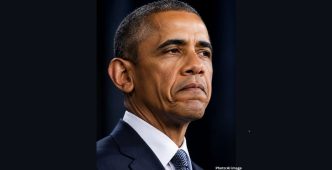
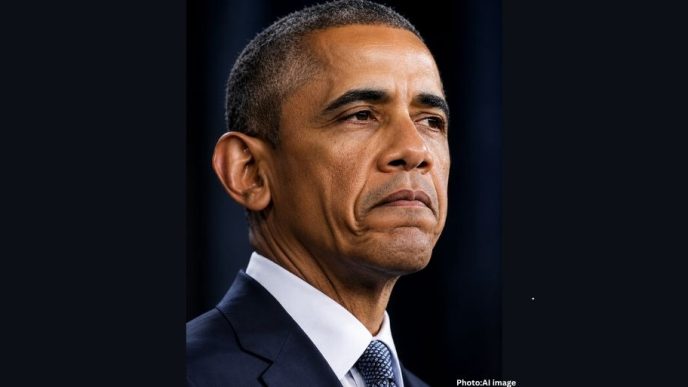
The new agreement has drawn comparisons to the Joint Comprehensive Plan of Action (JCPOA) negotiated under former President Obama, which sought to curtail Iran’s nuclear ambitions in exchange for sanctions relief. Trump has consistently criticized the JCPOA as a flawed approach that enabled Iran to advance its nuclear capabilities while receiving substantial financial benefits.
Critics, including Washington Post columnist Marc Thiessen, have suggested that Trump’s new deal mirrors the former administration’s approach, which relied on sanctions relief and the unfreezing of assets to incentivize compliance with nuclear restrictions. Thiessen expressed apprehension regarding the potential outcomes of the negotiations, stating, “I’m anxious to see what the details of the deal are and what gets negotiated, but I’m concerned.”
Regional Dynamics and Ongoing Tensions
The MOU’s implications extend beyond nuclear negotiations, as it also touches on the situation in Lebanon, where Israel has been engaged in conflict with Hezbollah. According to senior U.S. officials, the agreement includes provisions for Lebanon but does not necessitate a complete withdrawal of Israeli troops from the country. Israeli Defense Minister Israel Katz reaffirmed that Israel would maintain its military presence in southern Lebanon and would respond decisively to any attacks from Iranian-backed Hezbollah.
Despite the diplomatic overtures, military hostilities in the region have continued, with recent reports of Israeli drone strikes and retaliatory actions involving Hezbollah. President Trump has expressed a desire to address the situation in Lebanon during discussions with international partners, emphasizing the need for dialogue with Hezbollah.
Future of the Strait of Hormuz
Iran has indicated that it will not impose tolls on ships passing through the Strait of Hormuz during the negotiation period, although future tolling plans remain uncertain. The MOU stipulates that Iranian and Omani authorities will oversee maritime navigation in the strategic waterway, with expectations that ships will transit without fees in the interim. A senior U.S. official noted that about 25 ships are currently navigating through the strait, with projections suggesting that this number could rise to 40 to 50 daily shortly.
As the world watches closely, the unfolding events surrounding the U.S.-Iran agreement will have significant implications for regional stability, nuclear non-proliferation efforts, and economic conditions in both nations.