During Stanford University’s 135th commencement ceremony, a significant protest emerged as many graduates walked out in opposition to Google CEO Sundar Pichai’s address, stemming from concerns over the company’s involvement with Israel.
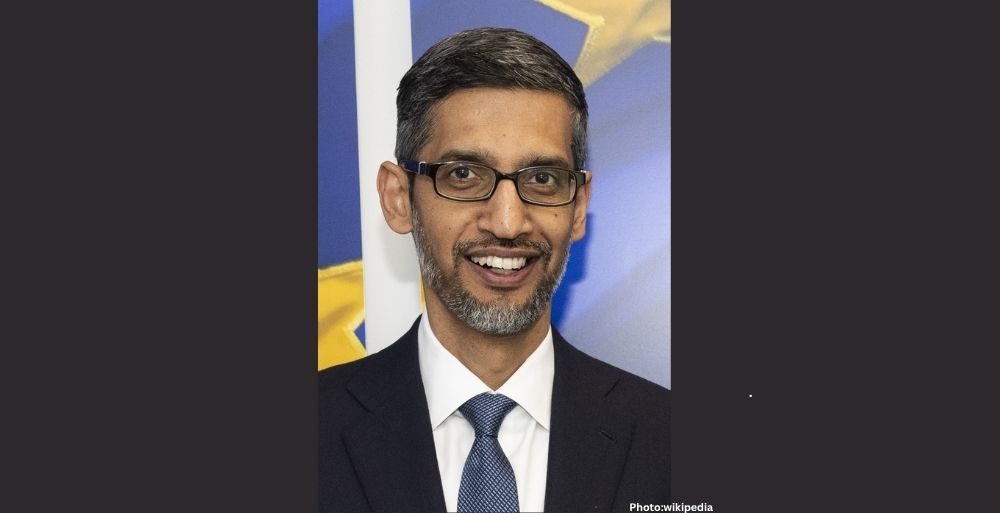
On June 14, 2026, Stanford University hosted its 135th commencement ceremony, where Google CEO Sundar Pichai, a distinguished alumnus of the institution, delivered the keynote address. The event, traditionally a celebratory occasion for nearly 6,000 graduates, transformed into a platform for protest as a group of students expressed their discontent regarding Google’s partnership with the Israeli government.
The ceremony commenced under a clear blue sky, and graduates participated in the university’s whimsical tradition known as “Wacky Walk,” parading in a variety of costumes, including inflatable horses and playful attire. However, the festive atmosphere shifted dramatically as Pichai took the stage, prompting a significant number of graduates to stand, boo, and exit the stadium in protest.
Context of the Protest
The protest was primarily centered around Project Nimbus, a controversial $1.2 billion cloud-computing contract involving Google, Amazon, and the Israeli government. This initiative has faced substantial scrutiny from students, activists, and tech workers who oppose Israel’s military actions in Gaza. The situation at Stanford reflects a broader climate of activism on campuses nationwide regarding corporate accountability, ethical responsibilities, and the implications of technological partnerships in global conflicts.
Stanford President Jonathan Levin introduced Pichai, highlighting his leadership qualities and contributions to Google since he joined in 2004 after earning a master’s degree from Stanford in materials science and engineering. However, the warm introduction was met with mixed reactions, as many students vocally expressed their dissent.
Pichai’s Address Amidst Dissent
As Pichai began his address, he acknowledged the discontent among the graduates. “What I see in front of me is how graduation should be,” he stated, attempting to convey a message of unity while chants of “free, free Palestine” echoed in the background as students departed. Pichai’s speech focused on themes of optimism and the significance of making impactful choices in life, while he largely sidestepped the contentious topic of artificial intelligence that has dominated other tech-related commencement speeches in recent times.
He provided practical advice to graduates, emphasizing the necessity of recognizing pivotal moments in their lives. “You’re going to face a lot of moments in your life, only a few of them are really important, and you need to get them right,” he remarked, sharing insights from his own career. Pichai distilled his message into three key principles: “choosing optimism,” “when you have the choice to work on something hard, say yes,” and “when all else is equal, do what excites you.”
Alternative Celebration: The People’s Commencement
In the aftermath of the walkout, many of those who exited the stadium congregated at a nearby location for what they termed a “People’s Commencement.” This alternative celebration featured speakers advocating for the Palestinian cause, alongside performances of music by artists such as Marvin Gaye and Nina Simone. Eva Jones, a recent graduate who helped organize the event, articulated the sentiment of the protest by stating, “The people here have worked so hard to achieve this, and we want to celebrate the radical possibility of education … rather than listen to an advertisement by Stanford and its corporate benefactors.”
This protest is part of an escalating pattern of activism at Stanford regarding the university’s investments and affiliations with organizations perceived as supporting Israel’s military actions. Over the past year, student activism has intensified, leading to various forms of protest, including a sit-in that resulted in arrests and a hunger strike advocating for divestment from companies involved in the conflict.
Legal Challenges and Broader Implications
In 2024, a sit-in at the university’s administrative offices led to 13 arrests, and subsequent legal challenges highlighted the tensions surrounding campus activism related to international issues. The university is currently under investigation by the U.S. Department of Education for allegations of antisemitic discrimination and harassment linked to the protests, further complicating the university’s position in the ongoing debates about free speech and its implications in the context of global political conflicts.
The events surrounding Pichai’s commencement address underscore the complex interplay between corporate influence, international politics, and student activism within academic institutions. As universities continue to grapple with their roles in global issues, the responses from students reflect a growing demand for ethical considerations in corporate partnerships and a reevaluation of the responsibilities that come with such collaborations.
Conclusion
The protest during Stanford’s commencement ceremony highlights a significant moment in the ongoing discourse about corporate accountability in the context of geopolitical conflicts. As graduates enter the workforce, the implications of their activism and the ethical considerations surrounding their future roles in technology and corporate governance will likely resonate beyond the campus, influencing broader societal conversations about corporate responsibility, technology’s role in conflict, and the ethical dimensions of global partnerships.