Israel’s plan to erect a statue of Chhatrapati Shivaji Maharaj aims to strengthen diplomatic ties with India while honoring the Bene Israel community’s historical contributions to the Maratha Empire.
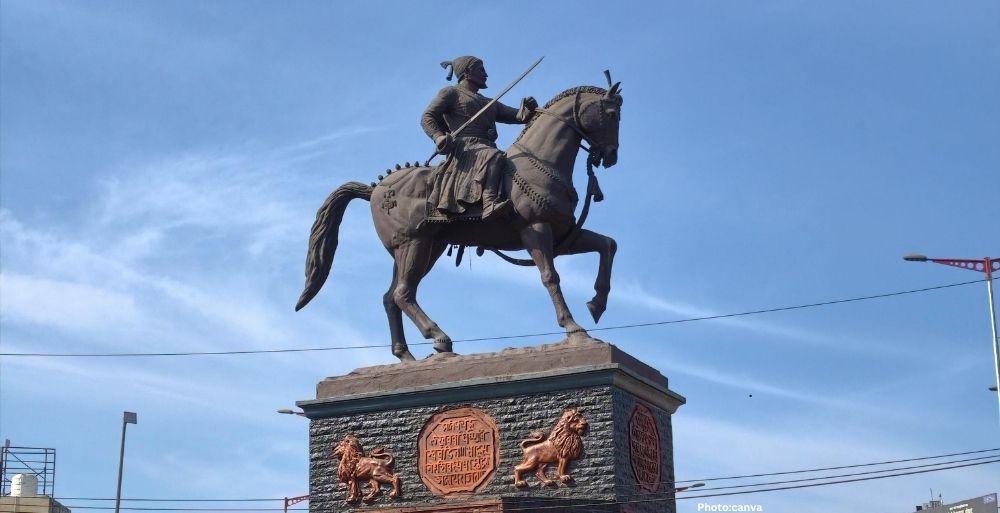
Israel has announced its intention to erect a statue of Chhatrapati Shivaji Maharaj, a key figure in Indian history and a symbol of resistance against Mughal rule, in a move aimed at reinforcing the diplomatic relationship between Israel and India. This announcement coincided with Shivrajyabhishek Din, marking the 350th anniversary of Shivaji’s coronation on June 6, 1674. Maharashtra’s Chief Minister Devendra Fadnavis expressed pride in this initiative through a post on X (formerly Twitter), emphasizing its significance in commemorating a shared history.
Historical Context of the Bene Israel Community
The Bene Israel, one of the oldest Jewish communities in India, traces its roots back to the early 2nd century BCE. According to HS Kehimkar’s 1937 work, History of the Bene Israel of India, these Jewish ancestors fled persecution in Galilee and arrived on the western coast of India after a shipwreck near present-day Mumbai. From their settlement in the Konkan region, the Bene Israelis gradually integrated into local society while preserving their Jewish identity.
Primarily engaged in occupations like oil-pressing and grocery trading, the Bene Israelis maintained strict observance of the Jewish Sabbath, which led to their designation as “Shanivar Telis,” or Saturday oil-pressers. This distinction set them apart from Hindu oil-pressers, who rested on Mondays, and Muslim oil-pressers, who observed Friday prayers. Over centuries, the Bene Israelis adopted the Marathi language and various local customs, creating a unique cultural fusion that combined Jewish traditions with Maharashtrian influences, enabling them to thrive without the anti-Semitism faced in other parts of the world.
Military Contributions to the Maratha Empire
One of the lesser-known aspects of the Bene Israel community’s history is their significant role in the military of the Maratha Empire. In the 17th century, Chhatrapati Shivaji Maharaj recognized the martial capabilities of the Bene Israelis and incorporated them into his forces. This integration occurred during a pivotal time when Shivaji was establishing a kingdom that aimed to challenge Mughal dominance and promote indigenous governance, known as Swarajya.
Research by scholar Kaustav Chakrabarti highlights the important role that Bene Israelis played in the Maratha military, noting that their reputation for martial prowess extended beyond the Maratha era. Chakrabarti emphasizes that the community was well-regarded for its military capabilities, serving in both native and colonial armies throughout Indian history. He states that “the Bene Israel community of Jews in India proved to be the very best in their military ardour, serving with equal aplomb in the native and the colonial armies.”
Strengthening India-Israel Relations
The decision to erect a statue of Shivaji Maharaj in Israel transcends mere cultural tribute; it symbolizes the enduring ties between India and Israel. Yaniv Revach, the Consul General of Israel in Mumbai, articulated that the statue would serve as a powerful symbol of friendship between the two nations. In his announcement, Revach noted the historical connections between Maharashtra and the Bene Israel community, many of whom have significantly contributed to Israeli society today.
Chief Minister Fadnavis has pledged the Maharashtra government’s support for this initiative, recognizing its importance on the auspicious occasion of Shivrajyabhishek Din. He expressed gratitude for the collaboration, emphasizing the significance of this gesture to honor a revered historical figure.
The Bene Israel Community Today
At their demographic peak, the Bene Israel community numbered around 75,000 individuals. Currently, approximately 4,000 remain in India, primarily in Mumbai and the Konkan region. Reuben Israel, a member of the community, highlighted that Jews in India historically experienced a unique sense of security, living without persecution and practicing their faith openly. “They had no difficulty practicing Judaism in India. They faced no persecution here,” he noted, reflecting the close-knit relationship the Jews in India maintain with their host country.
Following the establishment of the State of Israel in 1948, many Bene Israeli families migrated to Israel, significantly altering the community’s demographics. By the late 1960s, over 12,000 members had settled in Israel, where they have since become an integral part of the nation’s cultural, military, and political landscape. Today, the Bene Israel community in Israel preserves their Indian heritage through customs, cuisine, and community celebrations.
Legacy of Military Service
While the Bene Israelis’ association with the Marathas is largely remembered through folklore, their military service in the British Indian Army is well-documented. Beginning in the second half of the 18th century, members of this small Jewish community joined the Bombay Presidency Army of the East India Company in disproportionately large numbers, earning respect for their discipline and leadership. The Divekar brothers, for instance, were among the earliest recruits, with Samuel Ezekiel Divekar serving in the late 18th century and later being captured during the Anglo-Mysore conflicts.
Throughout the 19th century, Bene Israel soldiers participated in many significant campaigns, including the Anglo-Mysore Wars, the Anglo-Maratha Wars, and the Revolt of 1857. Despite comprising a small fraction of the total manpower in the Bombay Army, the Bene Israelis were notably overrepresented among commissioned officers due to their literacy, familiarity with English education, and long-standing military tradition. Scholars have noted that by the mid-19th century, the community produced a remarkable number of Indian officers relative to its small population, establishing a reputation for courage and loyalty that made them one of the most distinguished military communities of their size in colonial India.
The Migration to Israel and Current Status
The migration of Bene Israelis to Israel marked a significant transition in their community’s history. Post-migration, they faced challenges regarding their Jewish identity and status, leading to protests and campaigns for recognition. By the 1960s, the Israeli government and religious authorities formally recognized the community’s Jewish status, facilitating their integration into Israeli society.
Today, the descendants of the Bene Israel number over 50,000 in Israel, where they contribute to various sectors, including the military, politics, education, and culture, while preserving elements of their Indian heritage. A much smaller community remains in India, with nearly 5,000 individuals concentrated in Mumbai, Thane, and parts of the Konkan coast. Although their numbers have declined, synagogues, cemeteries, and community institutions continue to stand as reminders of their historical presence in western India.
The planned installation of a statue of Chhatrapati Shivaji Maharaj in Israel serves not only as an honor to a revered historical figure but also as a revival of a lesser-known chapter in the shared history of the Bene Israel community and India. This initiative reflects the deep-rooted connections between the Jewish community’s centuries-old journey in India and the legacy of the Maratha Empire, underscoring the harmonious coexistence of diverse cultures throughout history.