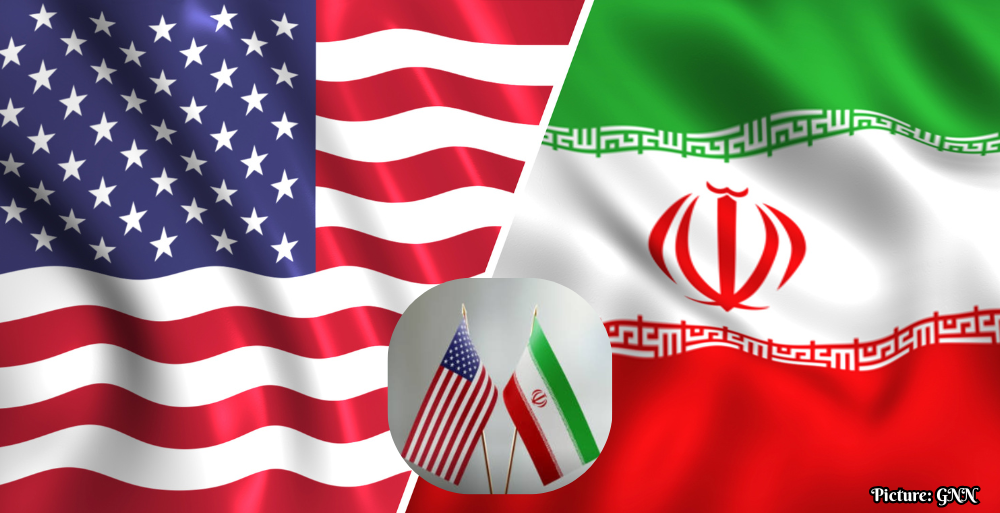
An emerging diplomatic agreement between the United States and Iran aims to extend a ceasefire and restore navigation through the crucial Strait of Hormuz, but uncertainties remain regarding its approval and implications for regional stability.
WASHINGTON, D.C. — Negotiations between the United States and Iran have taken a significant step forward, with both sides reaching a tentative agreement that, if finalized, could mark the most substantial progress toward a permanent peace deal in the ongoing conflict that began over three months ago. Following a two-hour meeting in the Situation Room on Friday, President Donald Trump did not provide an update on the negotiations despite earlier assurances that a “final determination” would soon be made.
According to officials from both nations, the memorandum of understanding (MOU) is still under discussion, but preliminary terms suggest a 60-day extension of the current ceasefire, the reopening of the Strait of Hormuz to unrestricted navigation, and the initiation of further talks regarding Iran’s nuclear program. The Strait of Hormuz is a vital maritime corridor, with approximately one-fifth of the world’s oil supply passing through it daily, making its accessibility a focal point in the ongoing conflict.
Background on the Strait of Hormuz Conflict
Iran’s initial response to the conflict was to impose a de facto blockade of the Strait of Hormuz, which it enforced through military threats and naval mining operations. In tandem, the U.S. has maintained its own naval blockade since mid-April to apply economic pressure on Iran by restricting its oil exports. The ongoing standoff has had far-reaching consequences, affecting global supply chains and contributing to rising prices for essential commodities, including oil and fertilizers. These economic pressures have created challenges for Trump and the Republican Party, as voters express growing concerns over domestic economic conditions.
Recent developments in diplomatic talks have led to a decrease in oil prices, with Brent crude dipping to around $91 per barrel as of Saturday afternoon. Kevin Hassett, the director of the National Economic Council, is expected to address concerns related to rising gas prices and declining consumer sentiment during appearances on major news programs this weekend.
Details of the Proposed Agreement
The proposed agreement would require Iran to allow ships to transit freely through the Strait of Hormuz, remove remaining naval mines within 30 days, and refrain from imposing tolls on vessels. Defense Secretary Pete Hegseth emphasized the importance of these measures, stating, “It will be an open strait, a toll-free strait that the entire world can use, which is the way it should be.”
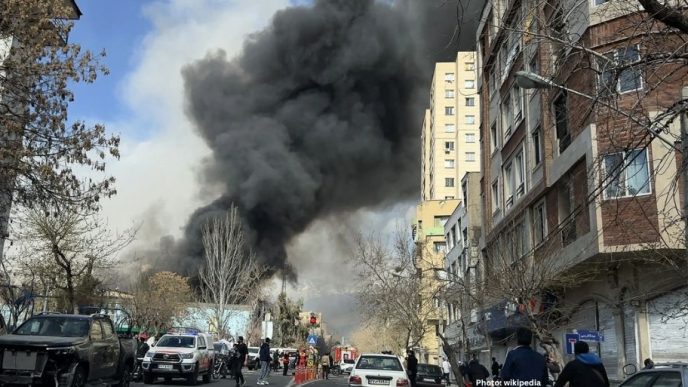
However, tensions escalated again this week, with reports of U.S. defensive strikes targeting missile launch sites in southern Iran following Iranian ballistic missile threats against Kuwait. U.S. Central Command indicated that these strikes were aimed at preventing further Iranian aggression, including the laying of mines in the water by Iranian forces. In a show of regional solidarity, Kuwait intercepted an Iranian missile aimed at its territory.
Nuclear Program Negotiations
While the MOU is expected to address specific conditions for reopening the Strait, the fate of Iran’s nuclear program remains a contentious issue. Proponents of military action, including Trump and his administration, have long argued that military intervention is necessary to prevent Iran from developing nuclear weapons. Vice President Vance confirmed that discussions around the nuclear issue are ongoing, with both sides still negotiating terms.
In a post on Truth Social, Trump indicated that Iran’s nuclear materials could either be surrendered to the U.S. or destroyed at an alternative location. Contrarily, Iranian state media reported that the nuclear issue is not under discussion, with a focus instead on the status of billions of dollars in frozen assets, which Iran insists must be resolved prior to any deal.
Treasury Secretary Scott Bessent has stated that there will be no relief from sanctions until Iran agrees to relinquish its stockpile of highly enriched uranium, a point that continues to be a sticking point in negotiations.
Political Reactions and Implications
The prospect of this agreement has elicited mixed responses from lawmakers. Some more hawkish Republicans, such as Senators Ted Cruz (R-Texas) and Roger Wicker (R-Miss.), have expressed concerns that any deal that allows the current Iranian regime to remain intact could undermine the military successes achieved thus far. Conversely, some lawmakers, including Senator Rand Paul (R-Ky.), have called for patience, advocating for the president to be given time to finalize the agreement. Paul has previously worked with Democrats to limit Trump’s military engagement in Iran.
As Congress prepares to reconvene after the Memorial Day recess, discussions around the proposed deal are likely to dominate the agenda. Lawmakers are also grappling with other contentious issues, including a $72 million reconciliation bill aimed at funding Immigration and Customs Enforcement and Border Patrol through 2029, which faced delays due to internal disagreements within the GOP.
Looking Ahead
In addition to the diplomatic efforts regarding Iran, political races are heating up across the nation as the November midterms approach. In California, former Health and Human Services Secretary Xavier Becerra leads the gubernatorial primary field, while in Texas, the Republican primary runoff saw Attorney General Ken Paxton receiving significant backing from Trump, positioning him against Democratic nominee James Talarico in what is expected to be a highly contentious race.
As the situation unfolds, domestic and international observers remain watchful of the potential impacts that any agreement between the U.S. and Iran could have on the geopolitical landscape, energy markets, and the broader economy.